- 登入
- 註冊

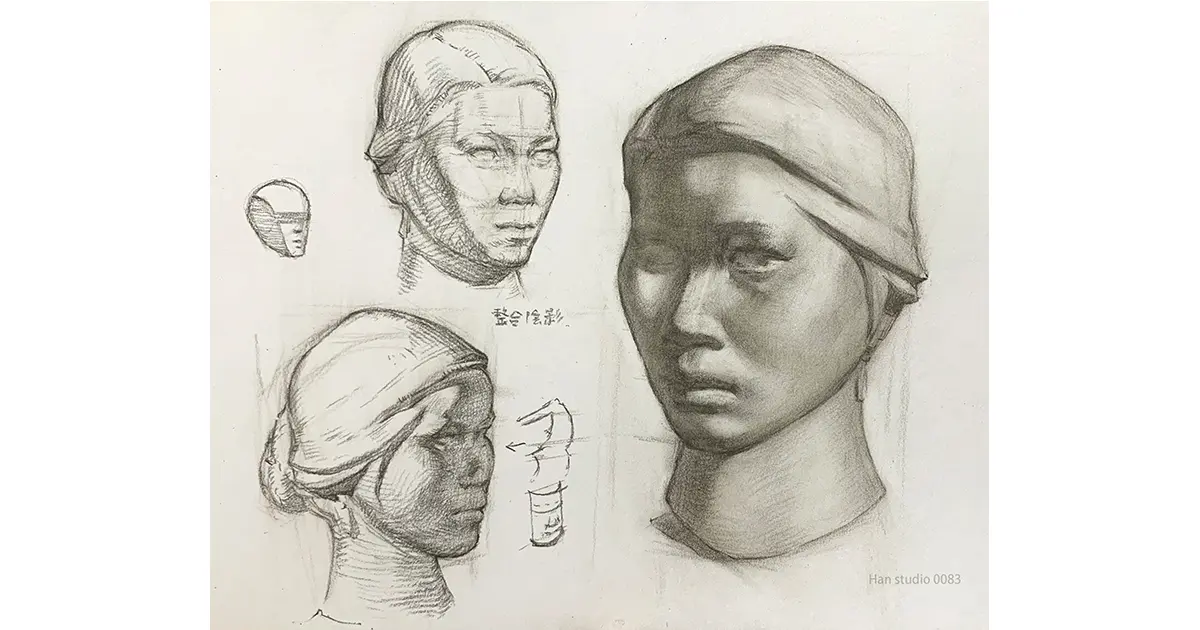
The concept of "dichotomy of light and dark" is introduced to simplify the light and shadow of an object into light and dark surfaces, which helps to understand the structure of light and shadow more clearly.

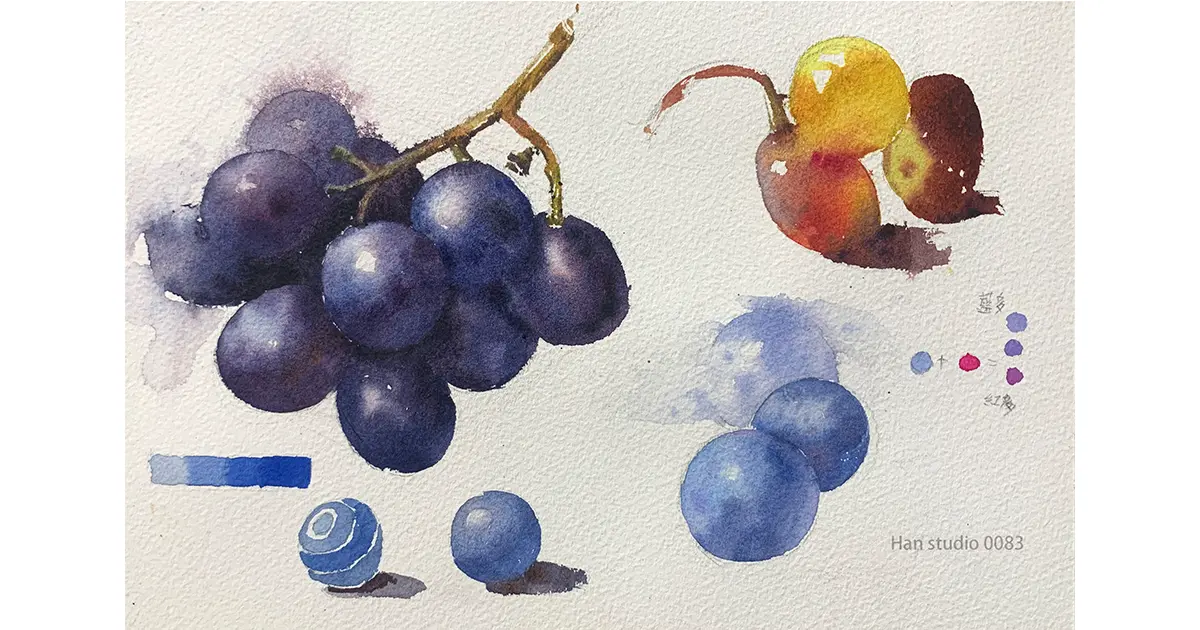
The article emphasizes the importance of observing light and shadow in order to create a sense of dimension in the grapes, especially in the details at the junctions, and explains how to blend the pigments in order to achieve a smooth gradation effect.

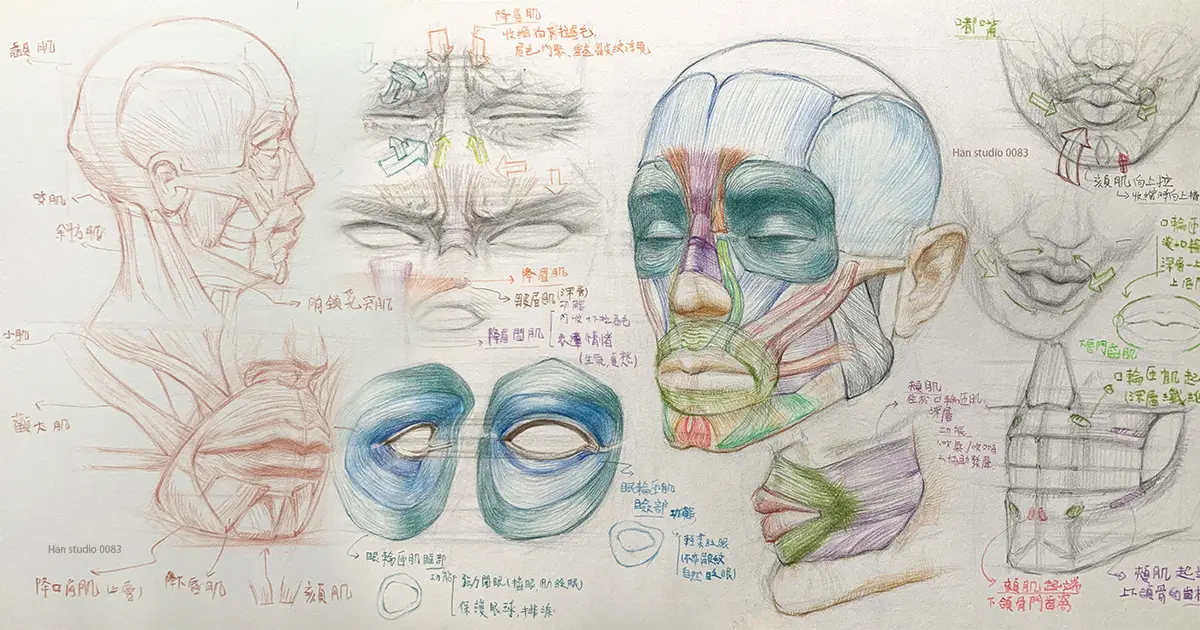
Describes the structure of the facial muscles that are responsible for various facial expressions such as smile, sadness, chewing or surprise, providing a reference for drawing facial expressions.

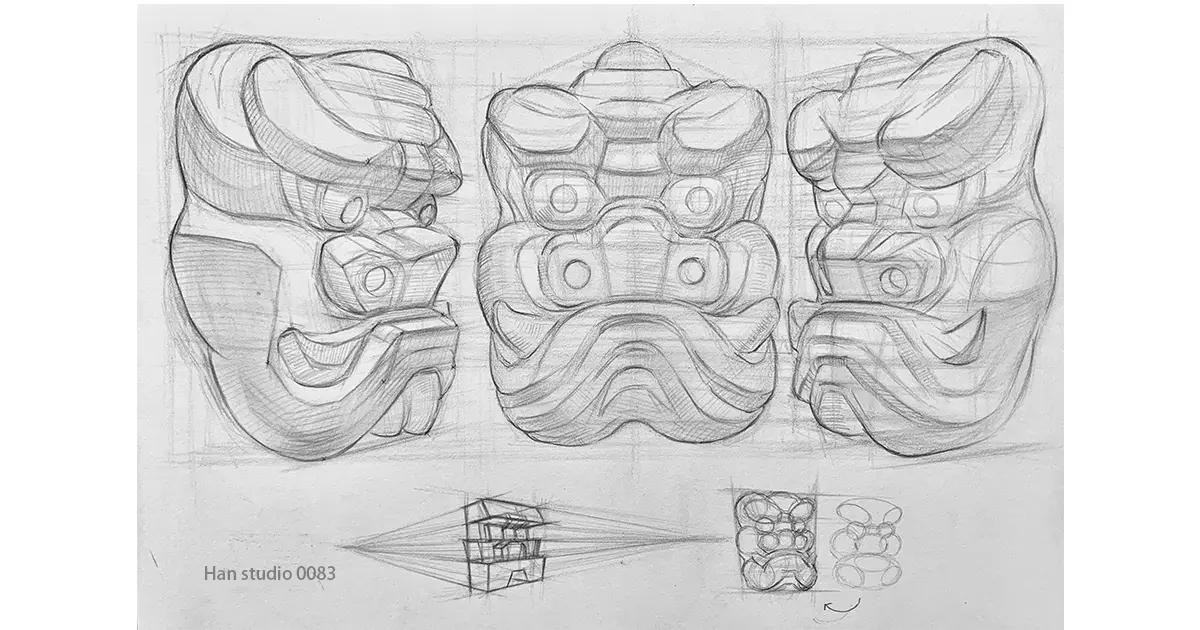
The article shares the key points of mask sketching structure, understanding its features by simplifying the shapes, such as using oval shape for forehead and round shape for cheeks.

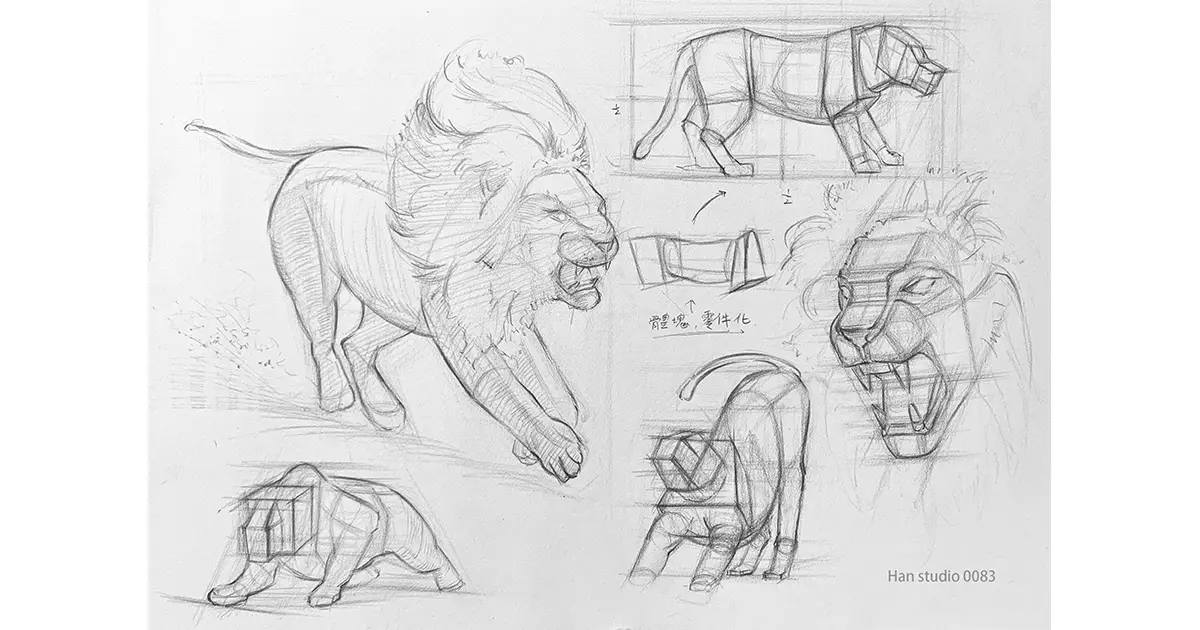
The article documents a still-life demonstration of a lion's head, focusing on the structure of the lion's head and trunk, and helping the reader to grasp the overall structure of the lion by simplifying the form.

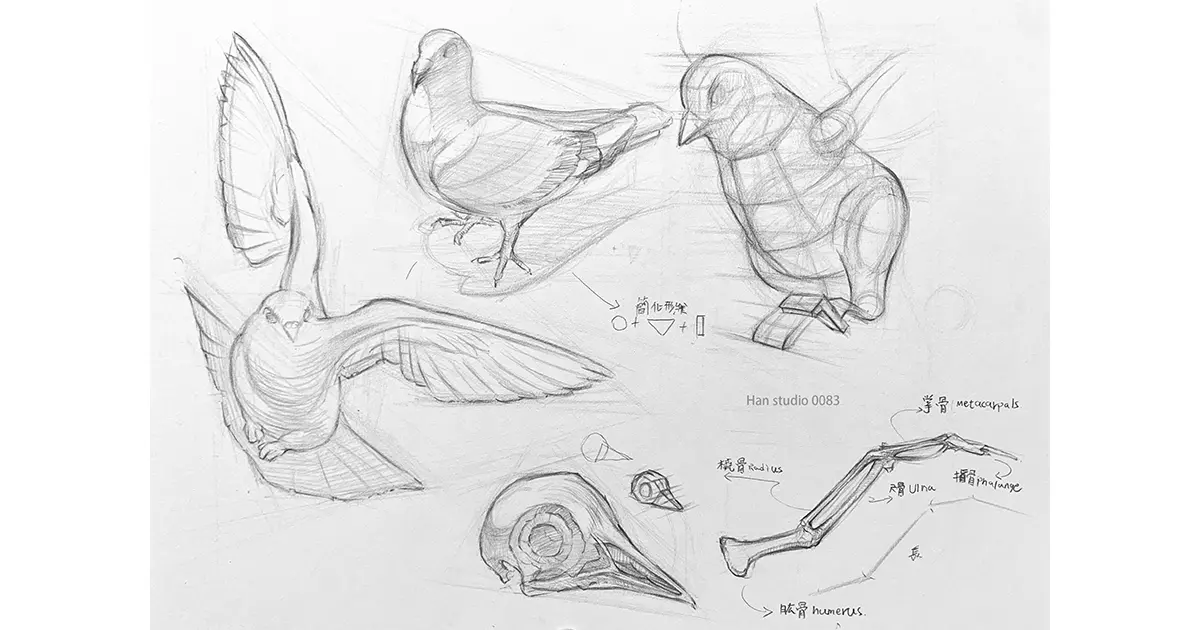
The article shares the basic structure of drawing a pigeon, from head, wings, and body proportions to legs and tail, and provides steps for drawing a pigeon.

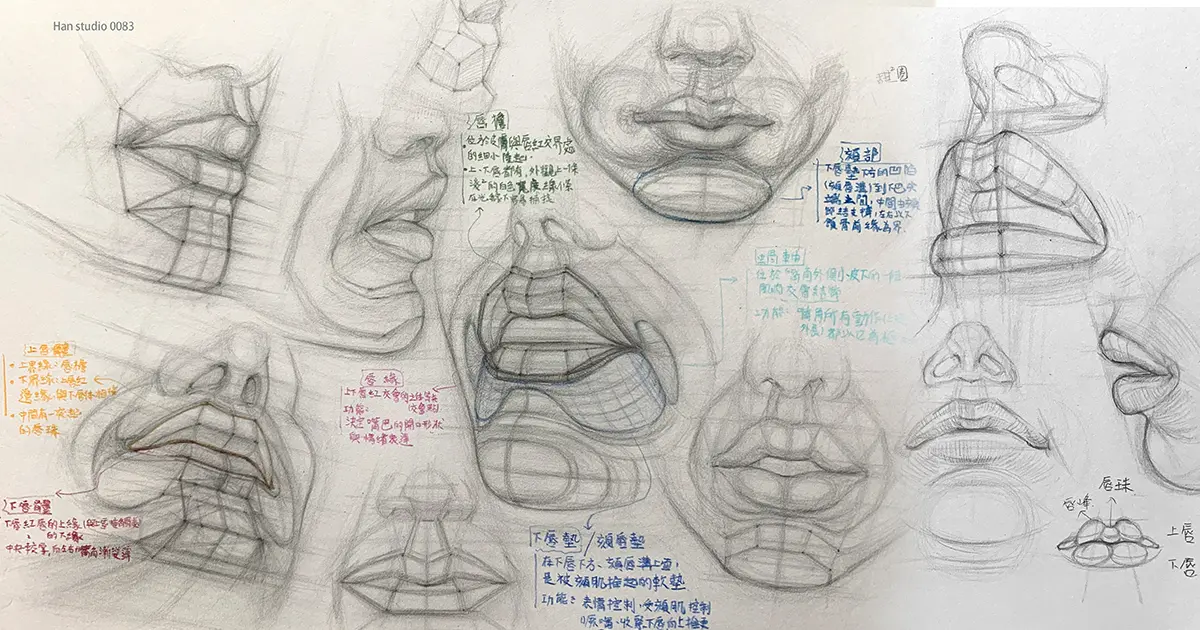
The article divides the lips into upper and lower lips, describes the beads, the inner and outer lip distinctions, and explains how to draw the lips in a three-dimensional way by observing the angles and undulations.

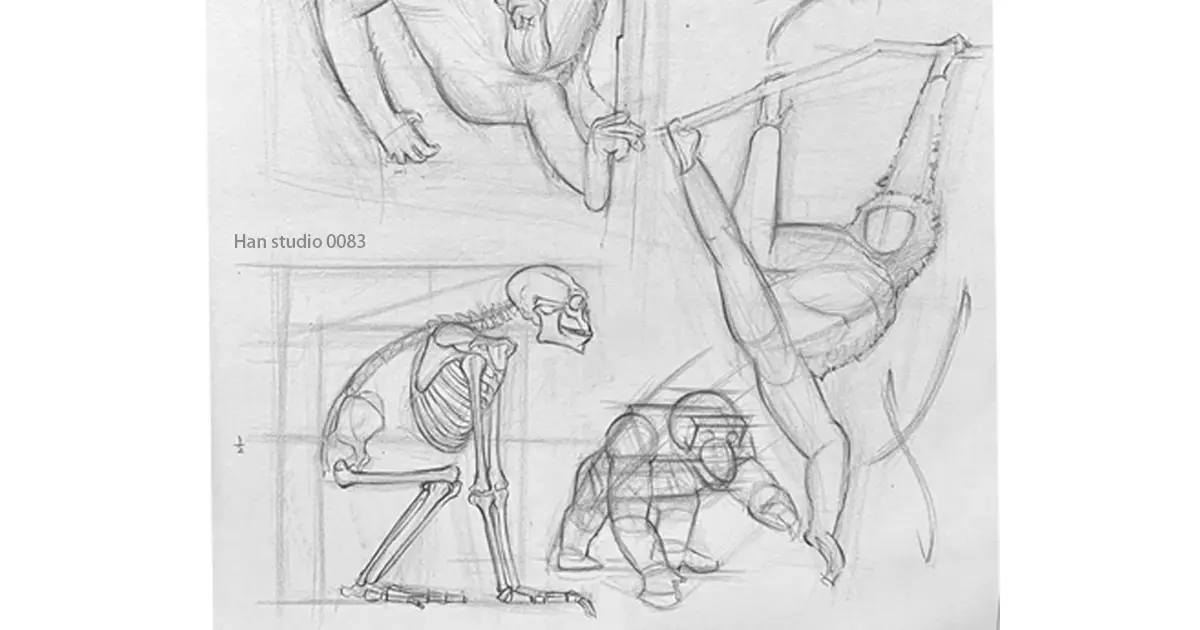
This article documents a monkey classroom demonstration and describes the primate body structure and how it is drawn.
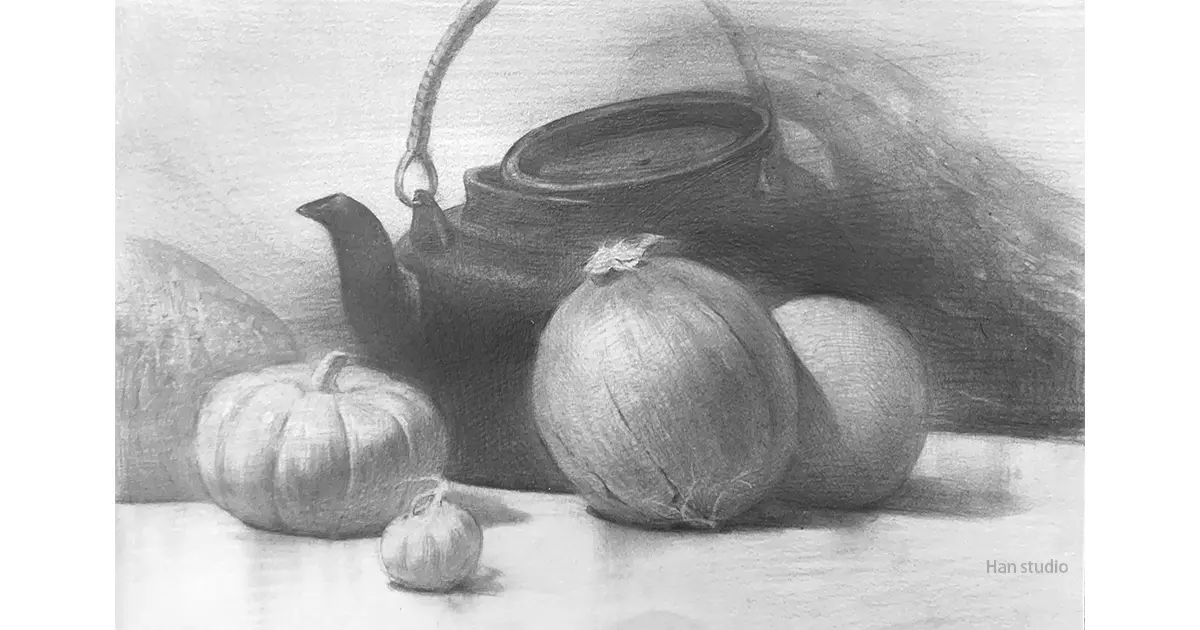
This article shares the use of geometric shapes to summarize the basic contours of an object, and emphasizes the use of clustering and overlapping relationships to add depth and interest to an image.

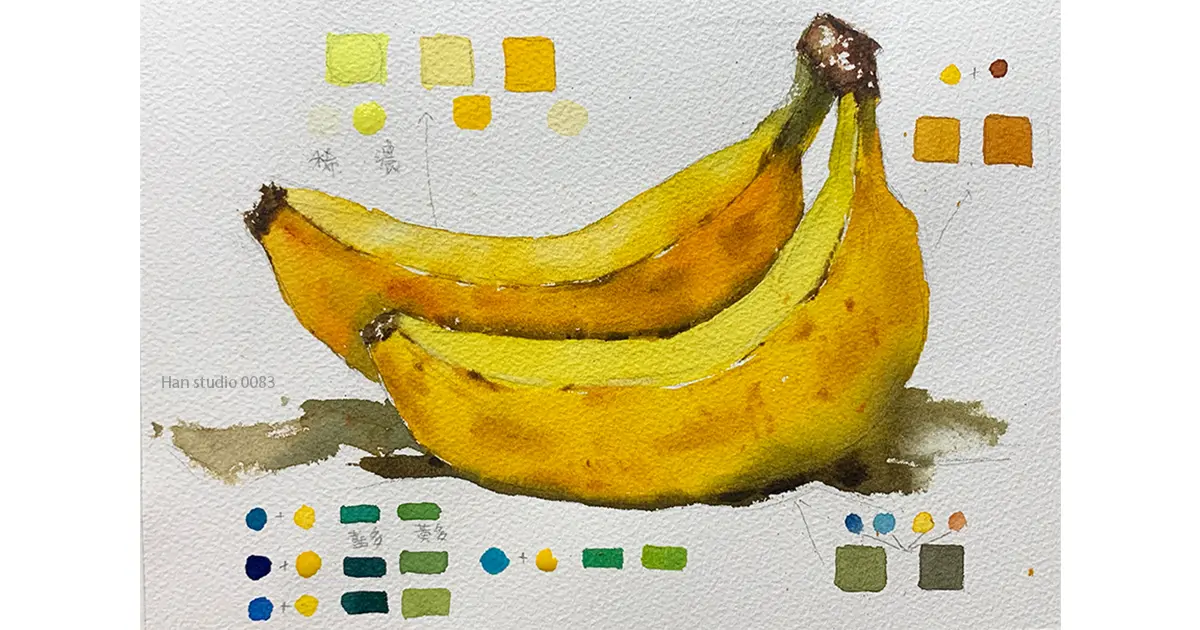
An introduction to the process of painting bananas with watercolors, focusing on adding color variations while maintaining brightness.

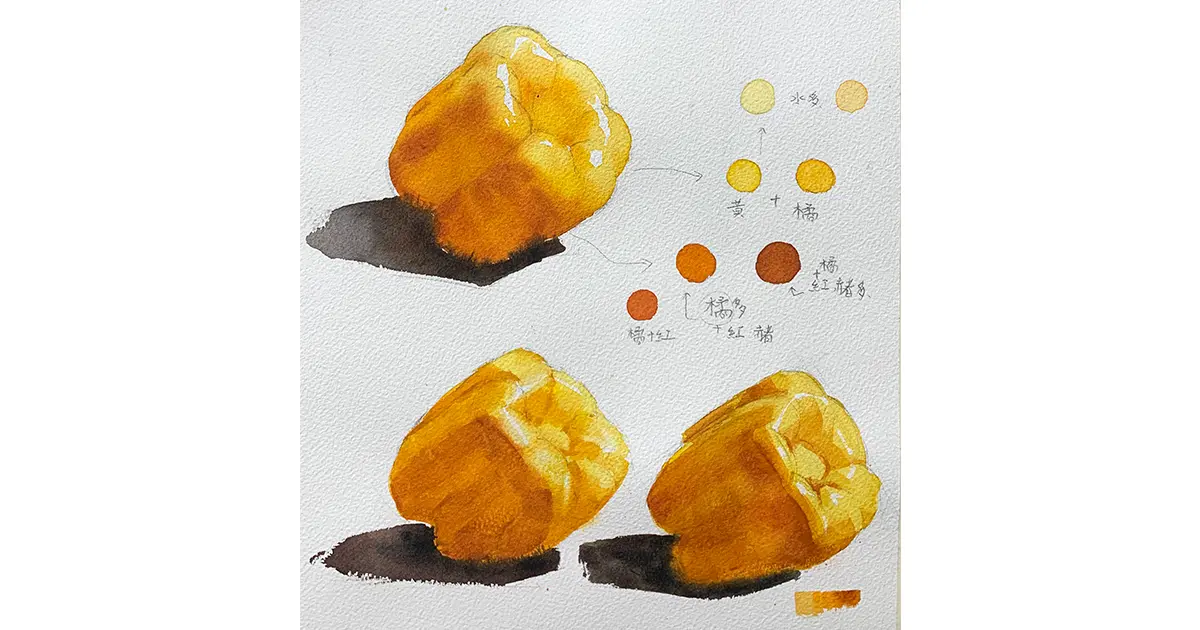
This post documents this week's watercolor class portfolio exercise, where the author shares steps for painting yellow peppers. and how to overlay color on wet areas to enhance the effect.

The article details how to draw the structure of the head, including the three equal parts of the head's proportions, the distribution of the five senses, and how to simplify the shape of the head through geometry.