- 登入
- 註冊
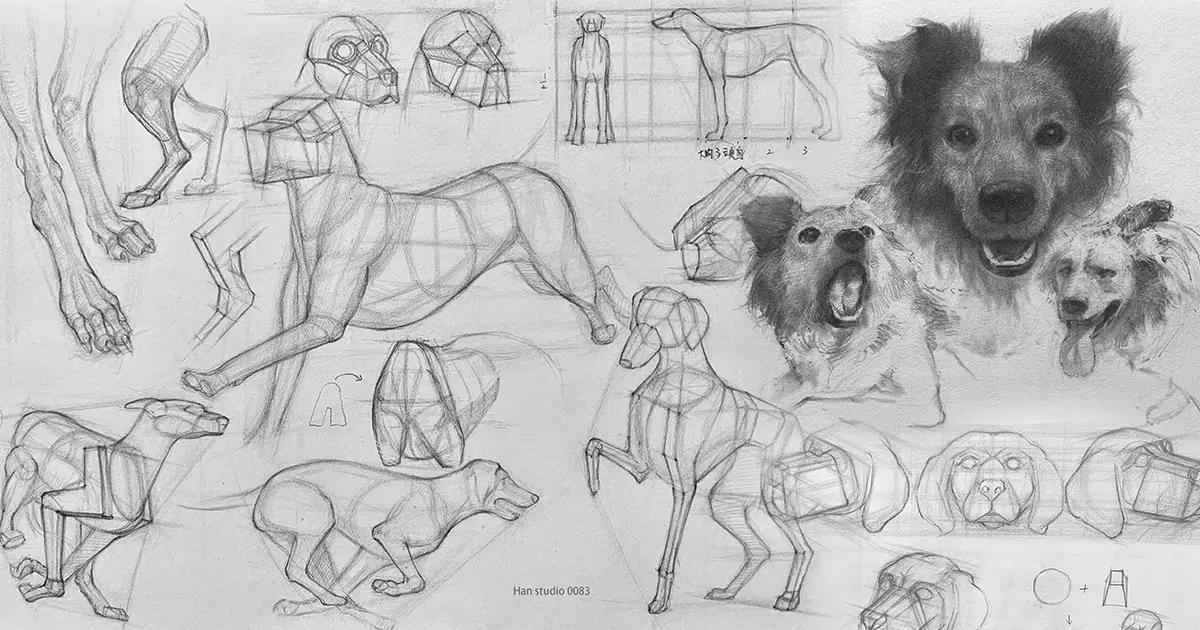
(Some of the photos below are from classroom demonstrations with classmates)
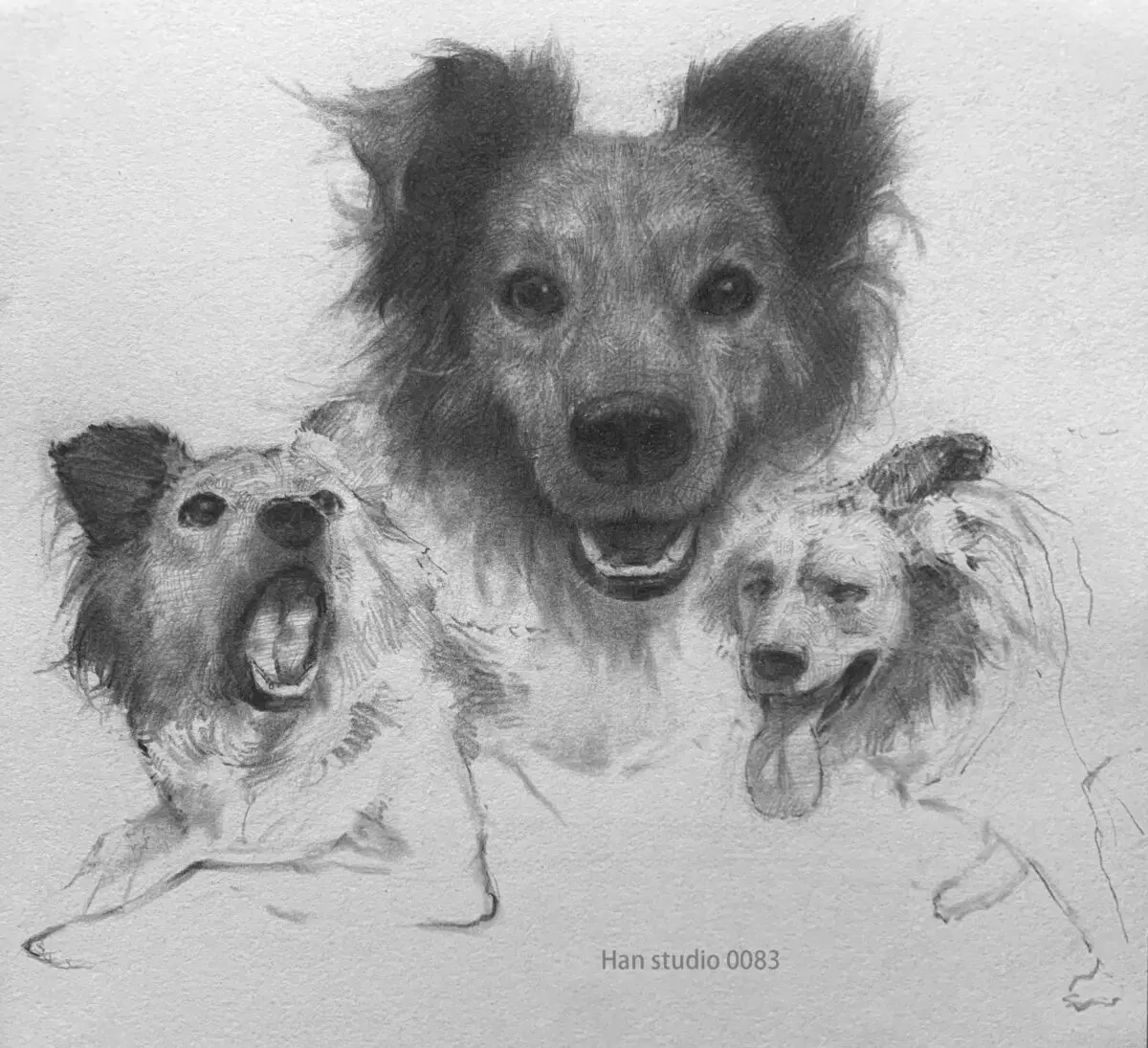
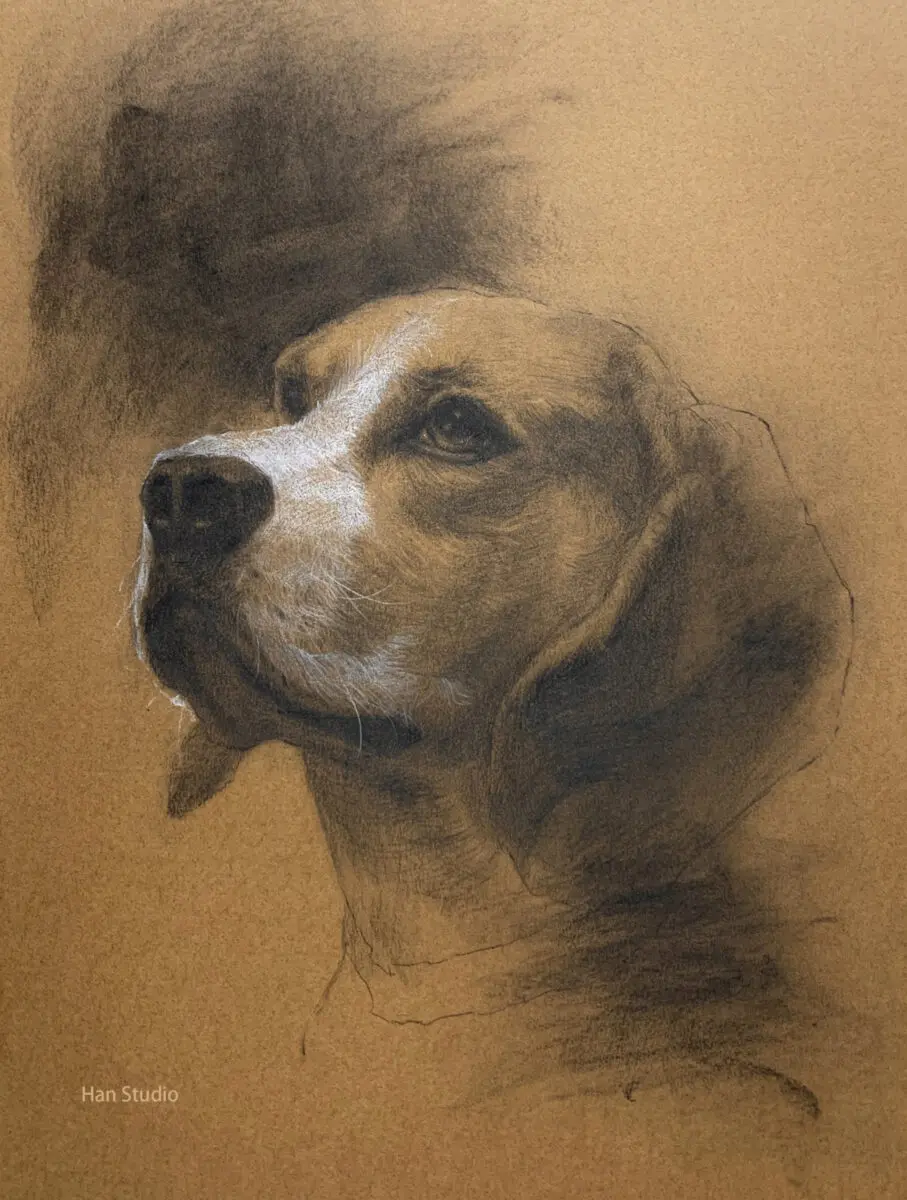
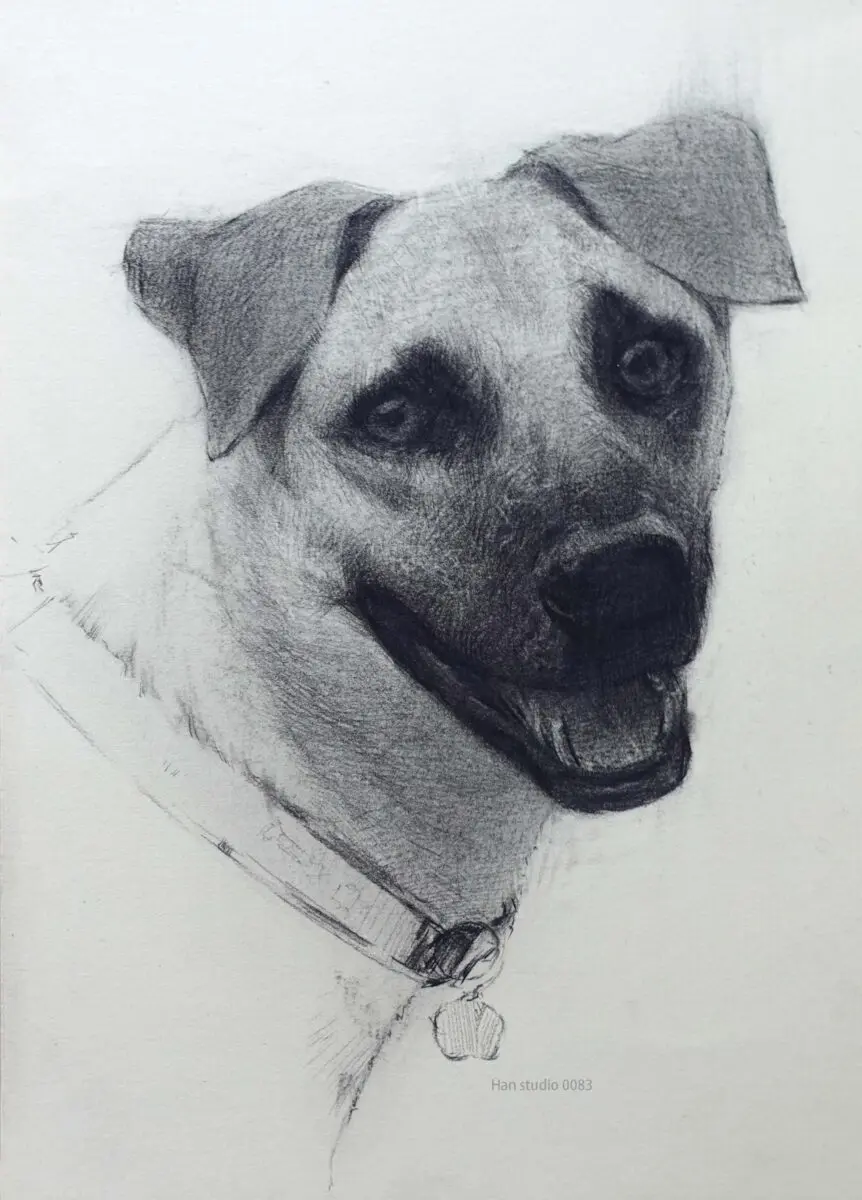
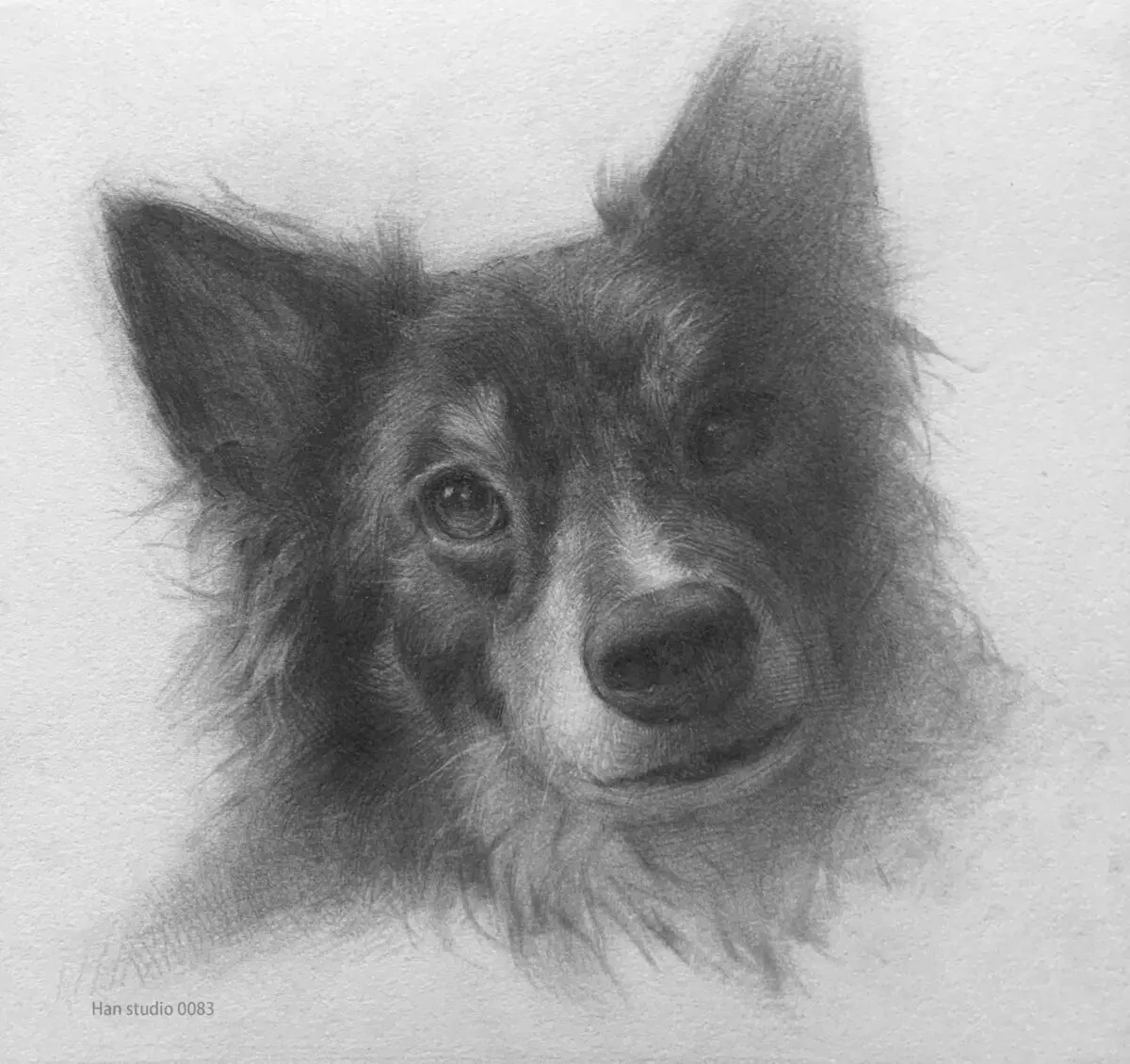
Dogs vary greatly in appearance (huskies, dachshunds, grays)
但The structural logic is somewhat similar
Apart from the ratio, "not knowing where to turn" is also a common problem.
The core concept is one sentence:
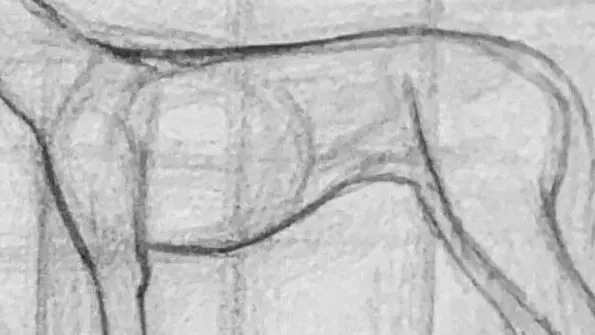
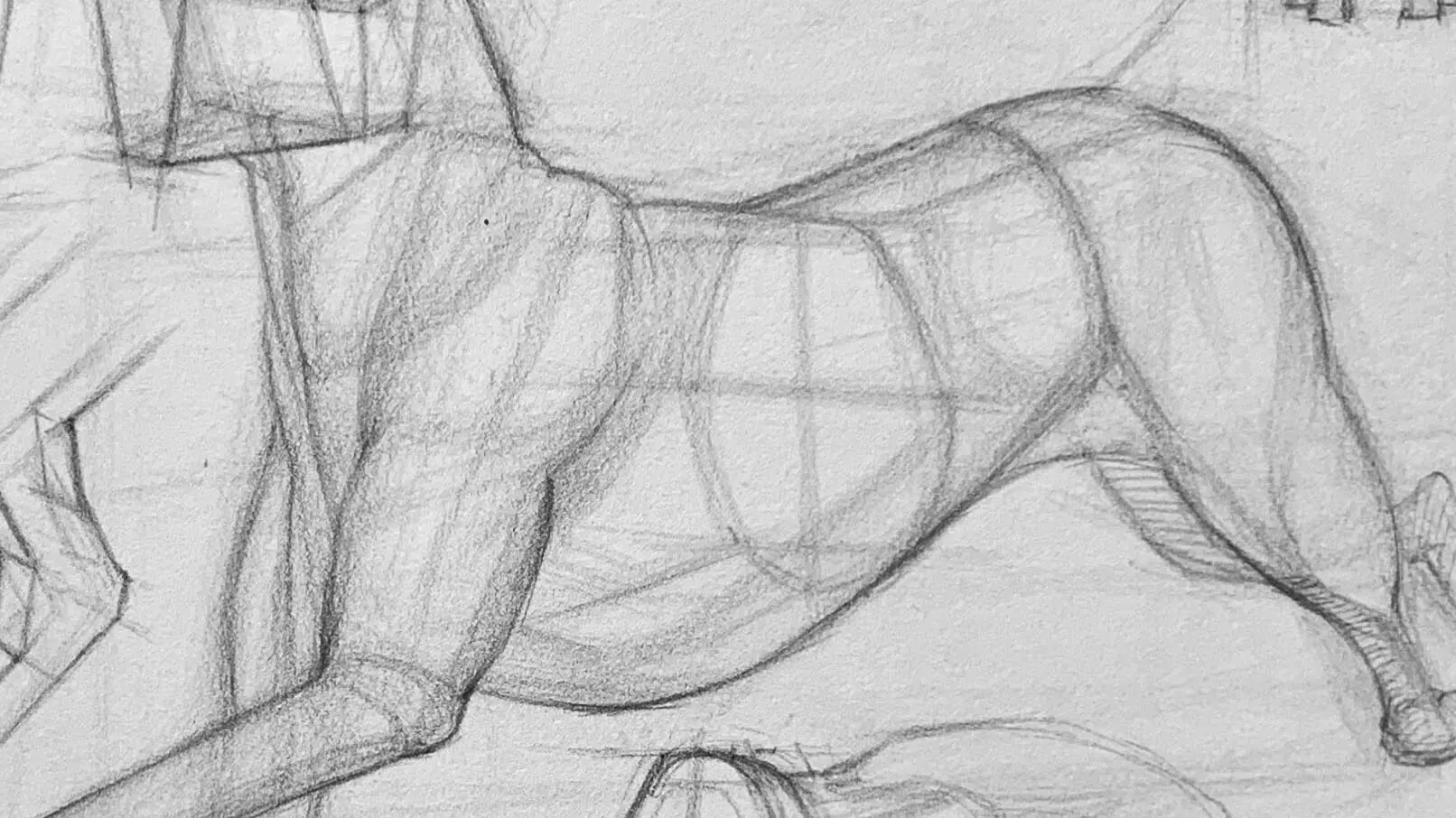
In addition to line representation, dogs can also be shown inBody Mass TransformationStack it up.
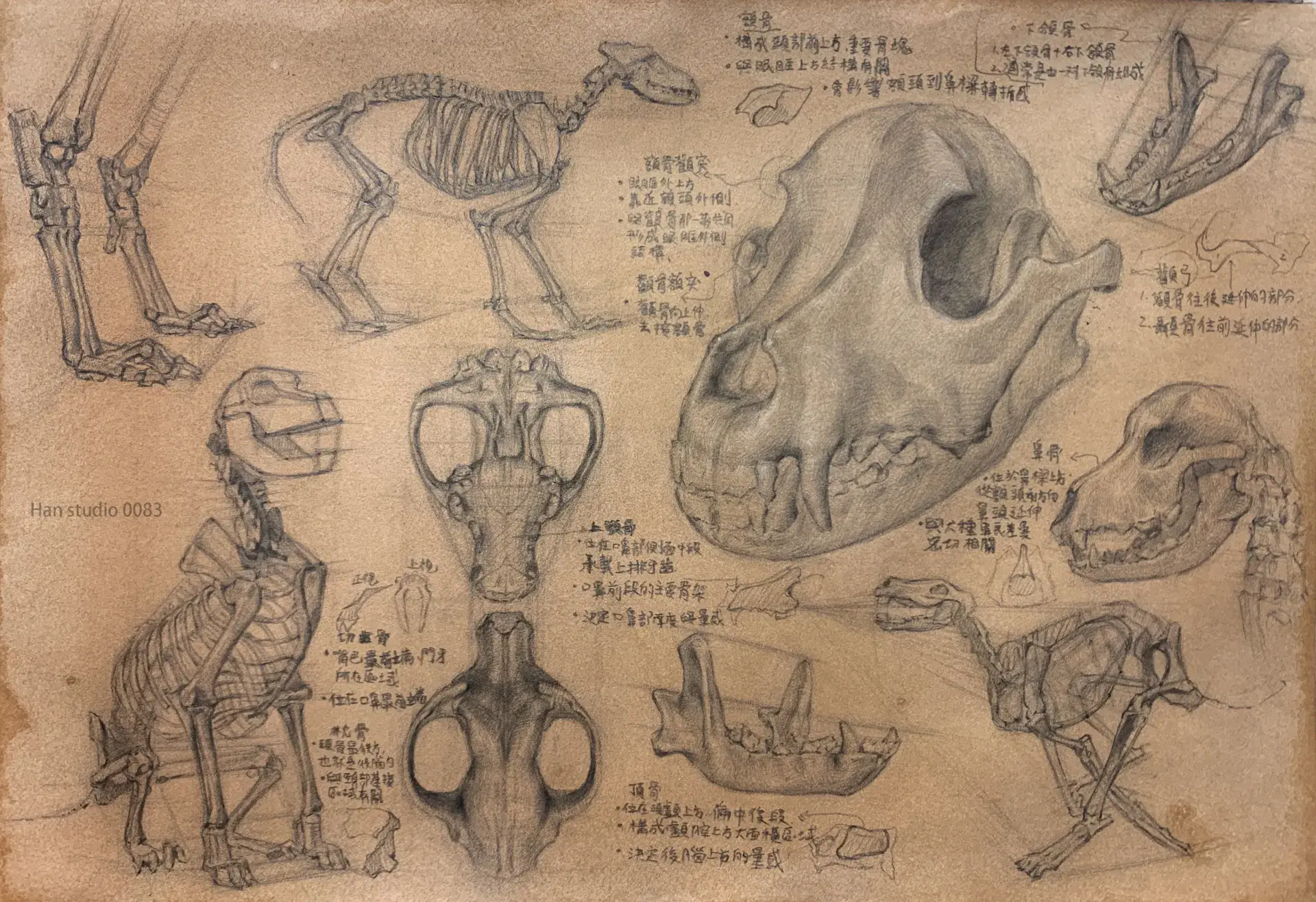
You understand the structure, but you still draw a "blanket in a dog's skin"?
The most difficult part of drawing a dog is not the hair, but the muscle turns and perspective hidden under the fur.
When learning on our own, we often get distracted by details, resulting in skewed proportions.
In my "Drawing Dogs" class, I'll useStructural Thinking in Product DesignThe program teaches you how to disassemble complex canine movements using geometry, and takes you through the difficult task of correcting the shapes in your pen.
👉 Want to shorten the distance between understanding and drawing? [Click here to join the course counseling].
or [Click here to join LINE@]
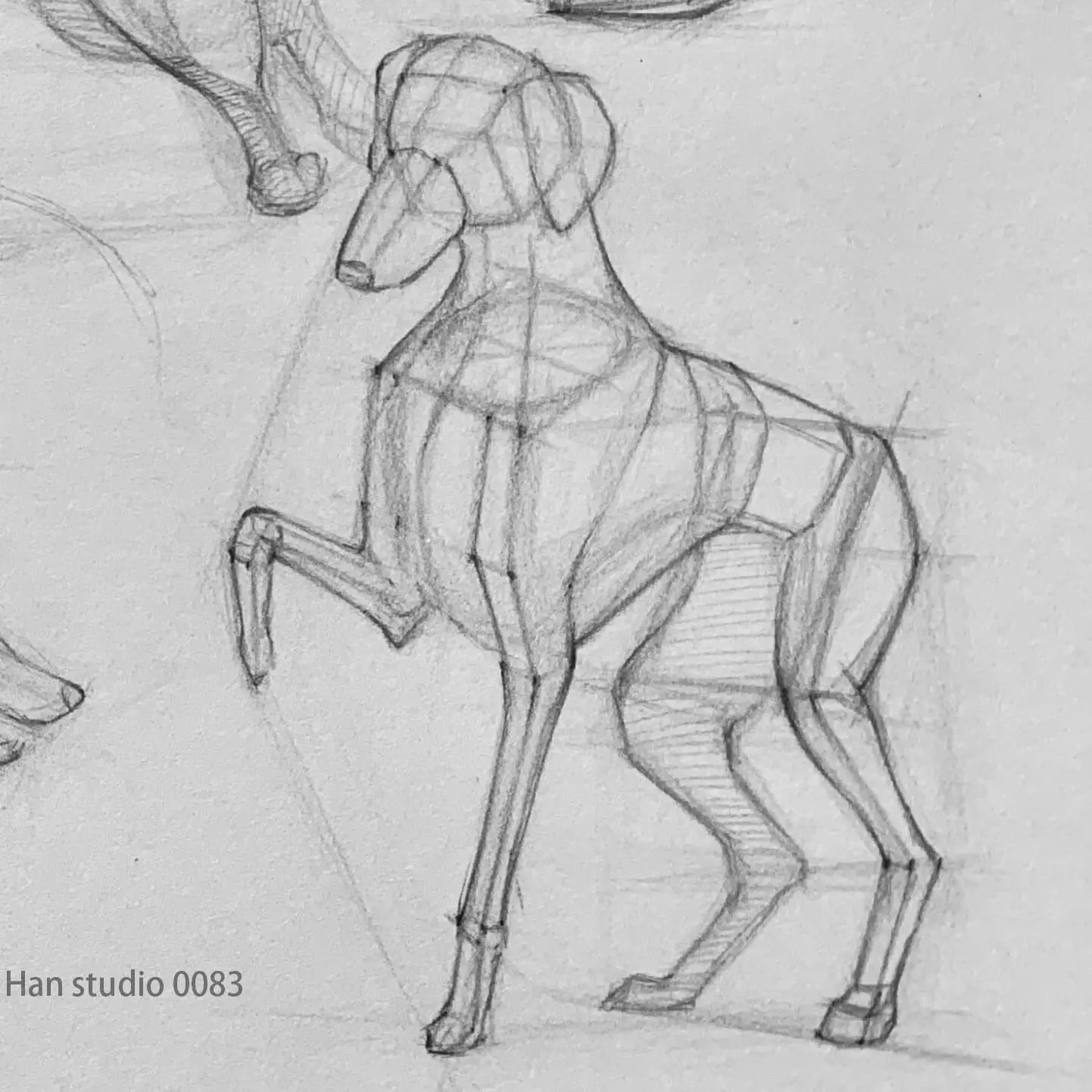
The two main bodies: the
🔹 Reference image location: standing profile at upper right, labeled 1/2/3 scale division of dog.
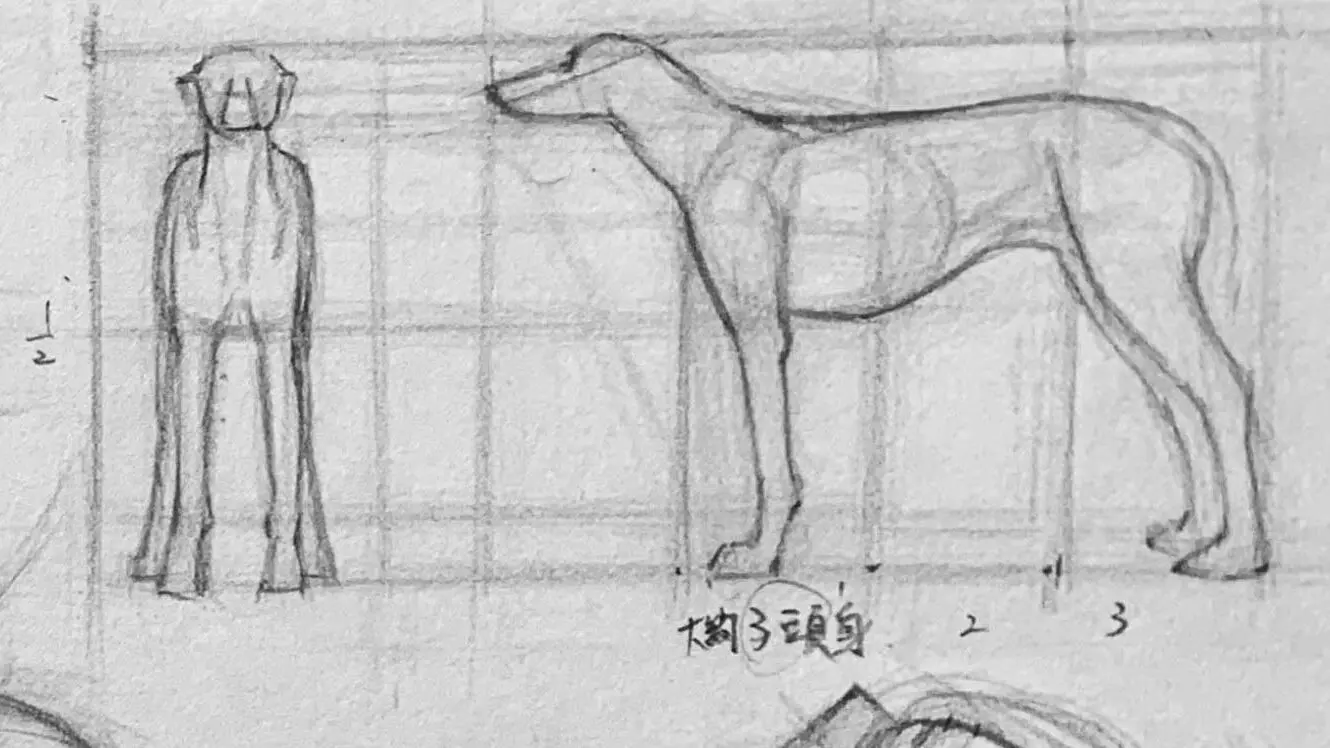
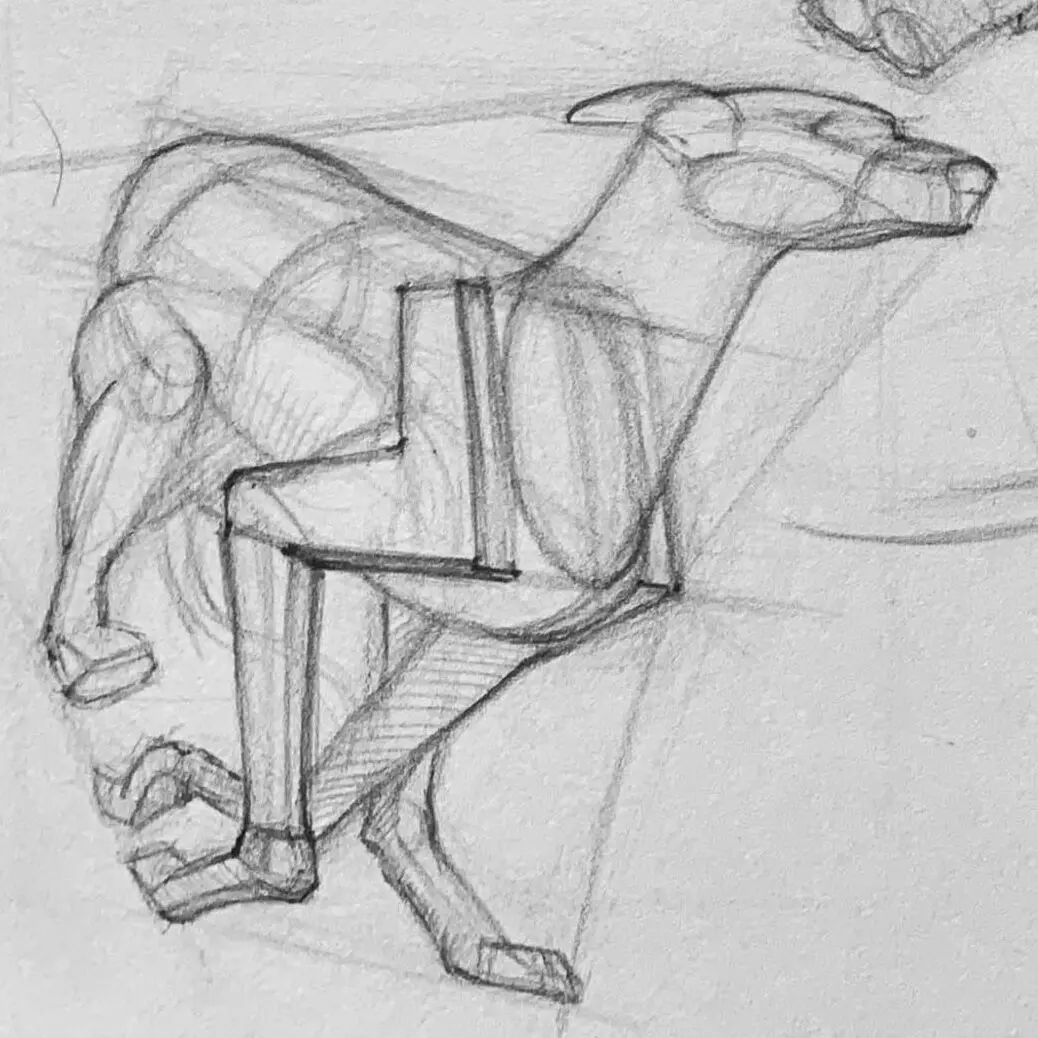
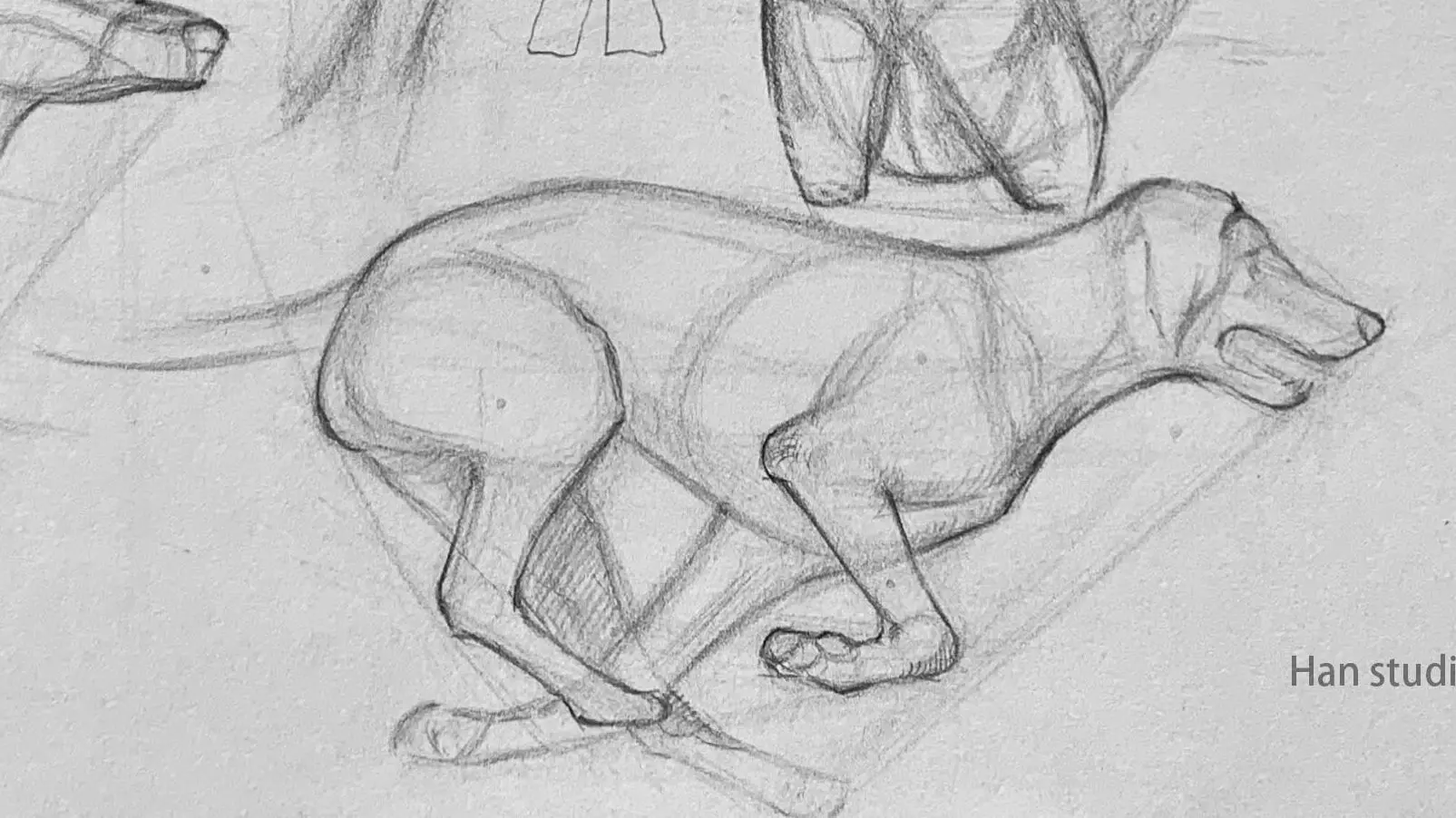
dogThe back half of the body is usually more powerful than the front.
That's why running, jumping, and squatting all come from the back foot.
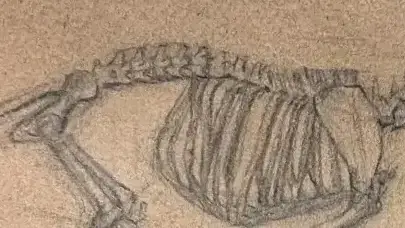
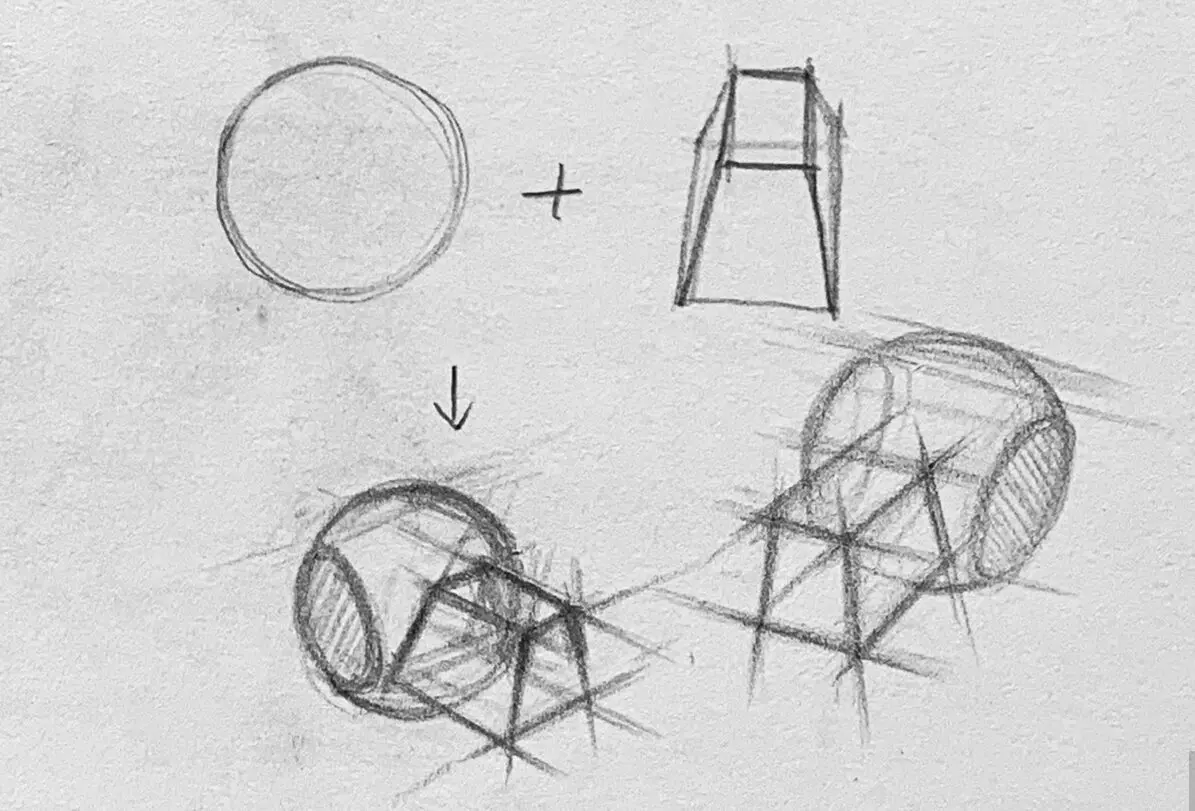
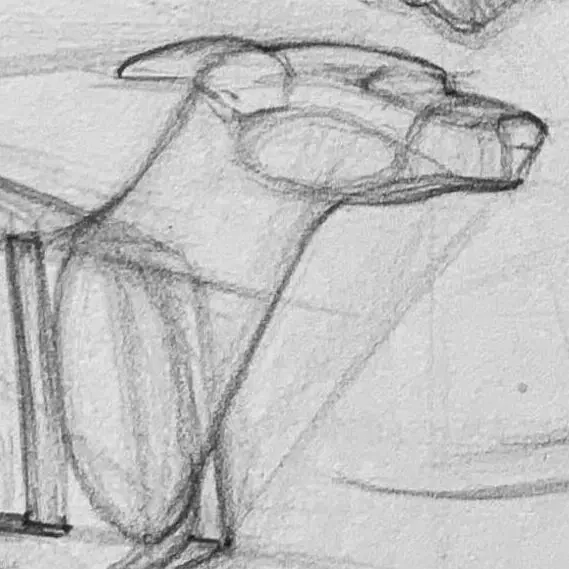
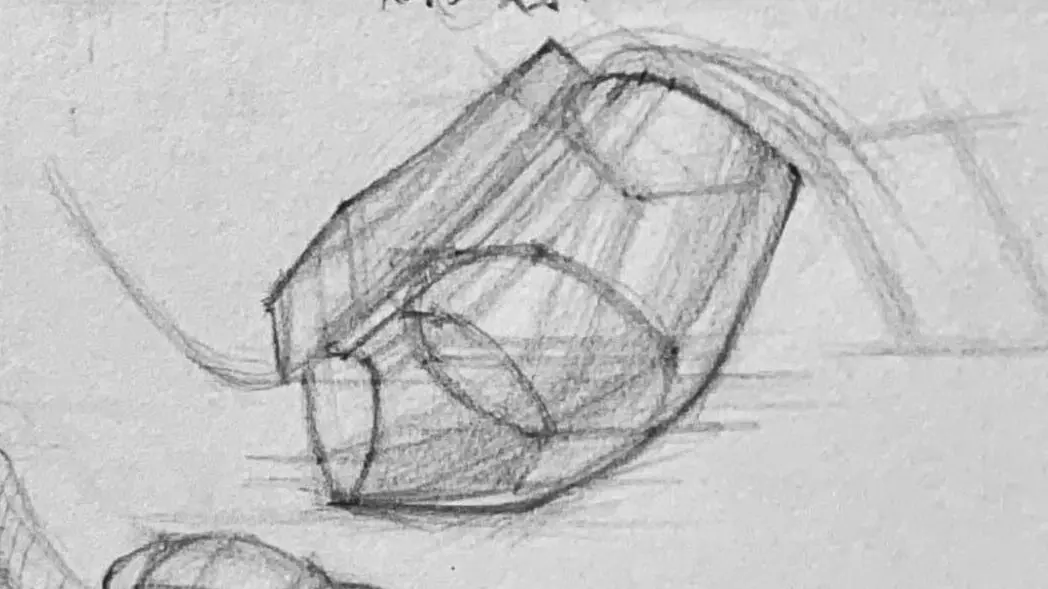
Let's simply understand the dog's head as, consisting primarily of a round shape (the head) and a trapezoidal shape (the muzzle portion).
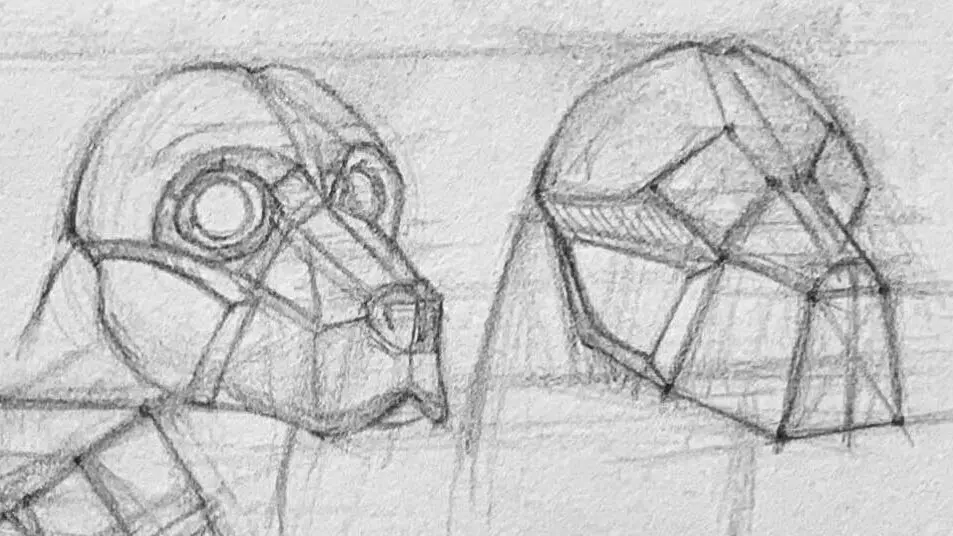
In the lower right corner, you can see two different angles to simplify the basic shapes, you need to pay attention to the relationship between the size of the circle and the trapezoid when drawing.
Focus: the dog's head turns in the direction of the "trapezoidal pointing of the mouth and nose".
Not in the center of the head
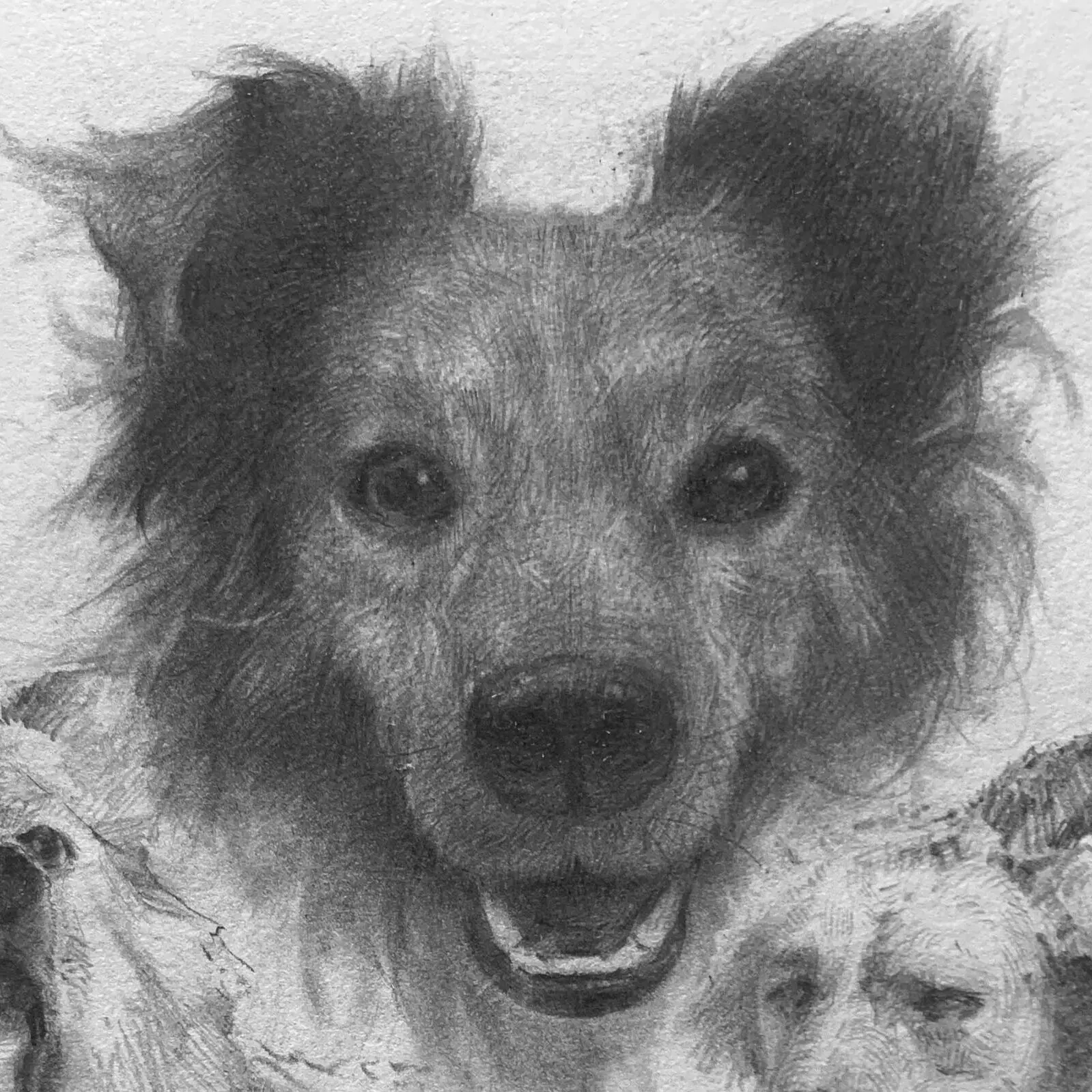
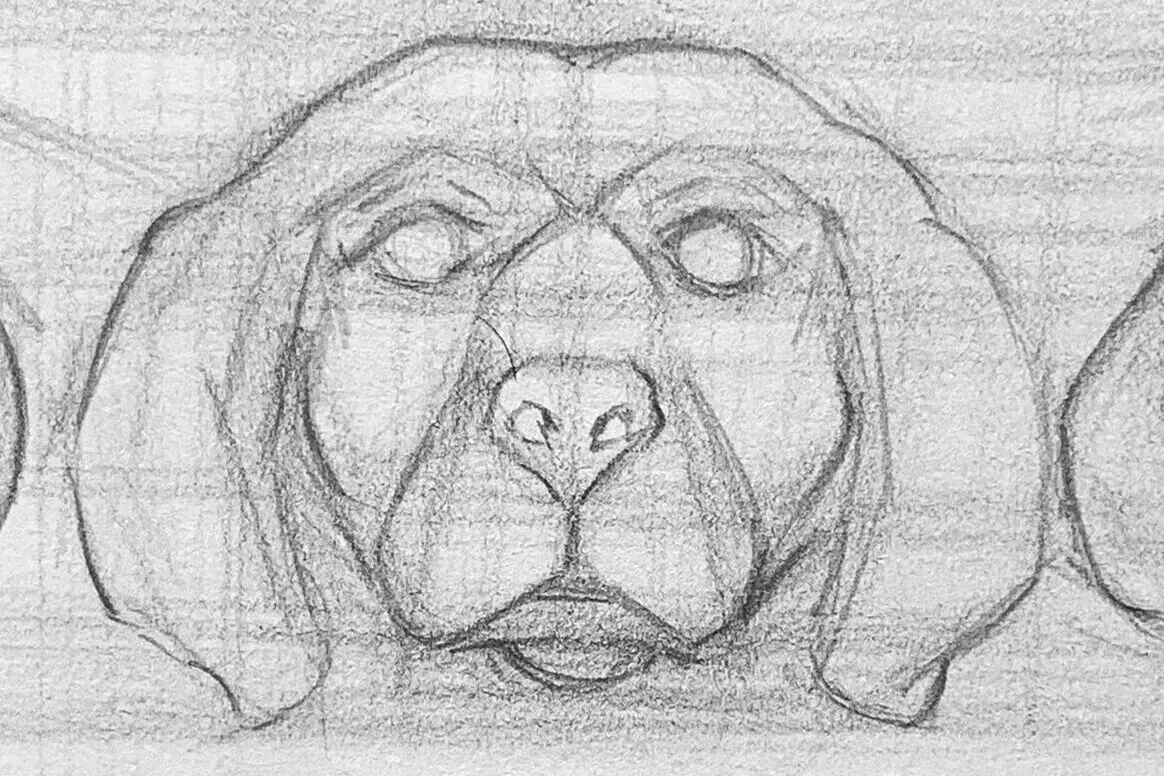
Anterior, lateral, embedded in the plane of lateral oblique
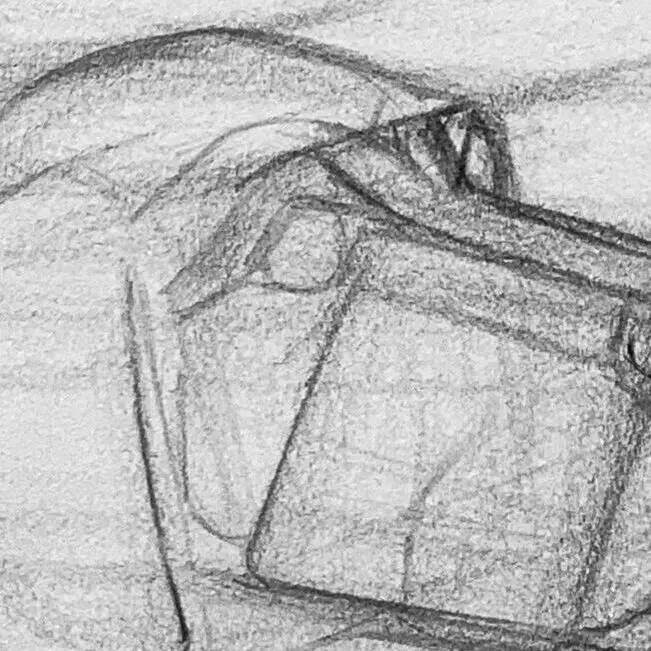
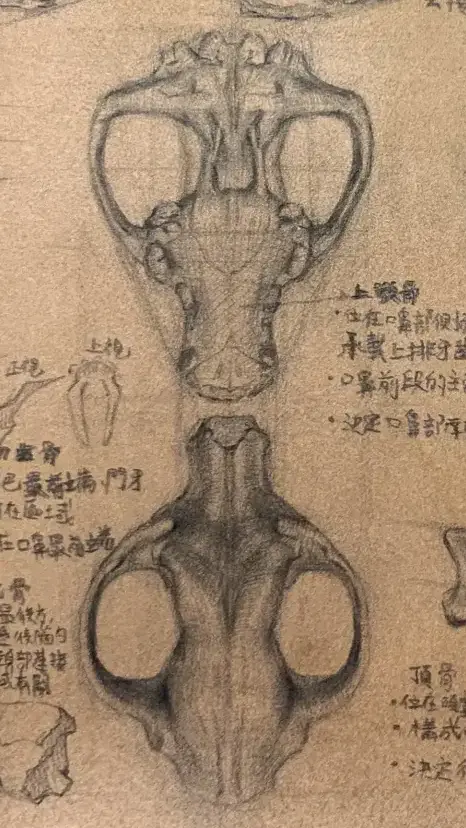
We will first simplify the dog's head into round and trapezoidal shapes, not only for the convenience of drafting, but also to correspond to the basic structure of the dog's head bone.
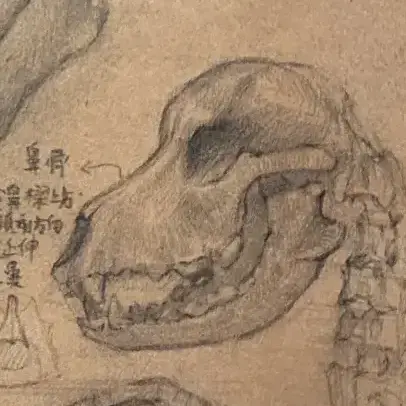
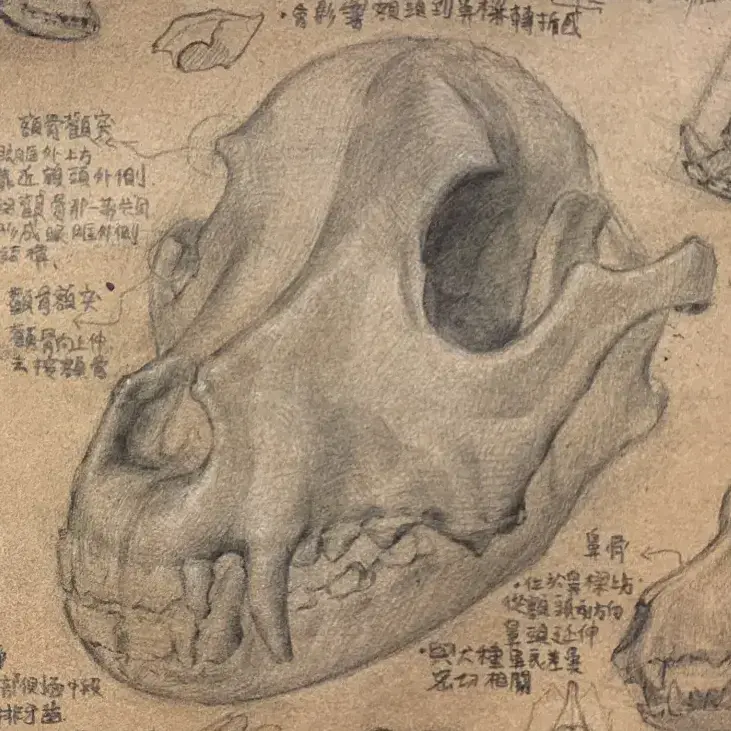
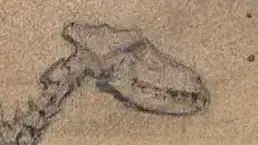
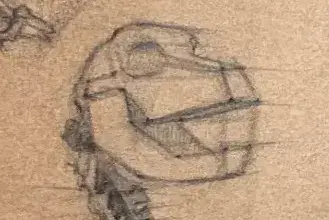
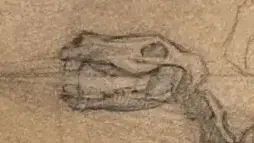
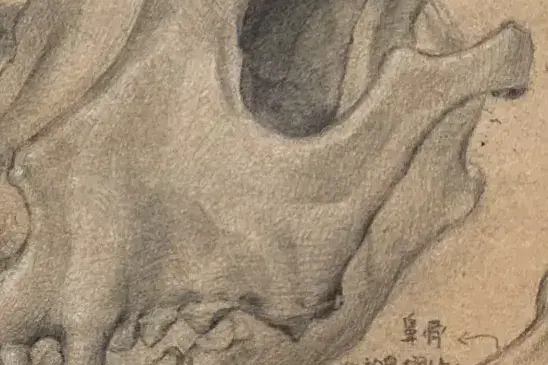
Therefore, when drawing a dog's head, it is easier to grasp the overall proportions of the dog's head by first grasping the relationship between the round and trapezoidal shapes, and then slowly supplementing the eyes, nose, and ears, rather than chasing after the details of the five senses directly at the beginning.
The position of the ears determines the "direction of head tilt".
Drooping ear, standing ear → same structure, just different additional shapes
Gradually adding details such as eyes, noses, ears, etc. to the base shapes, the
If the dog you are referring to has an angled side face, you need to be aware of the relationship between the face being turned to the side, the larger half of the face, and the smaller side of the face being turned to the side.
When drawing the dog's head at different angles, note that.
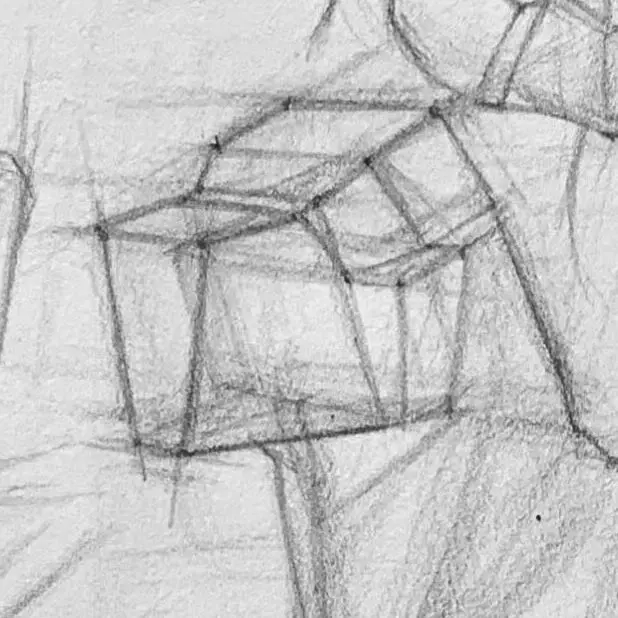
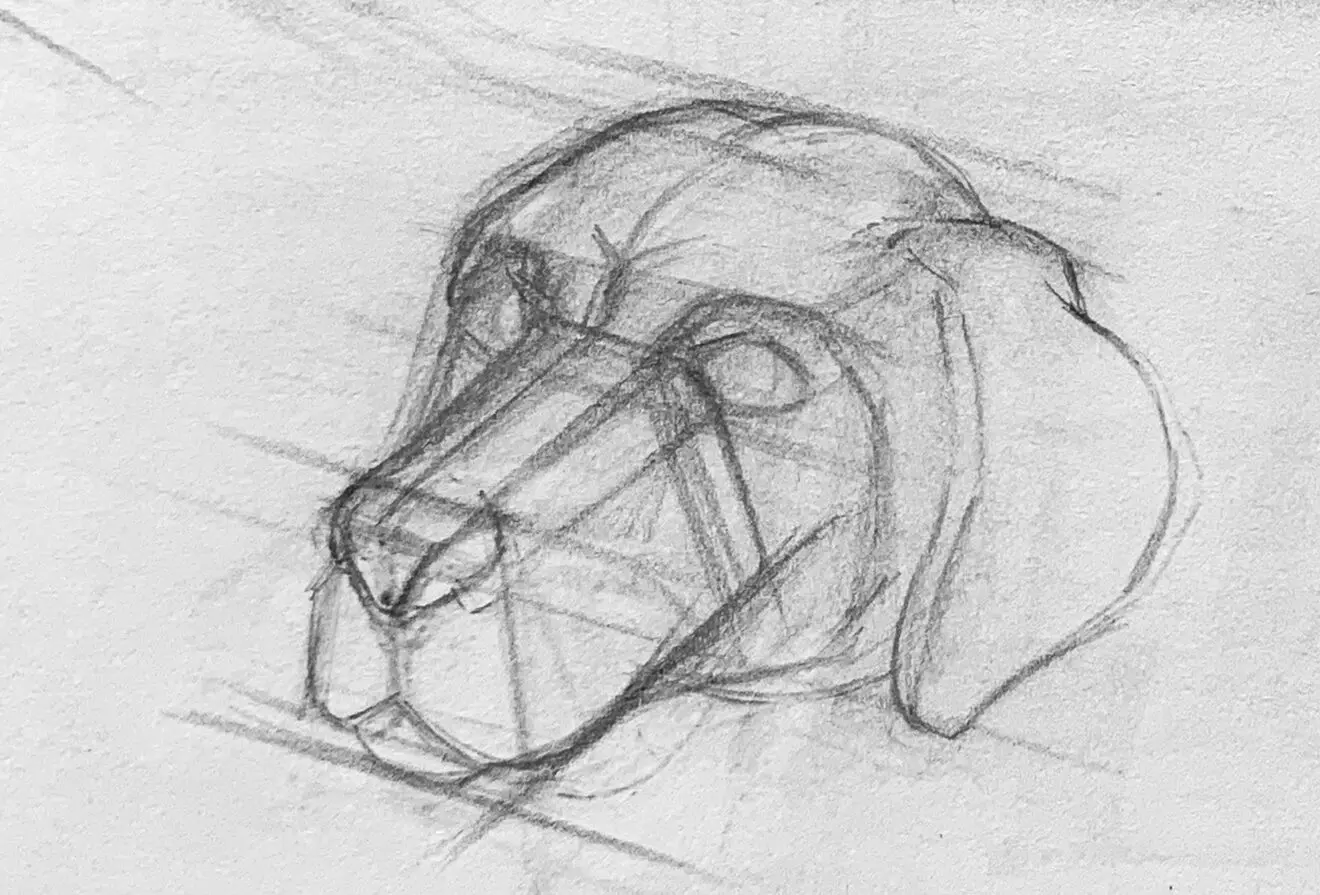
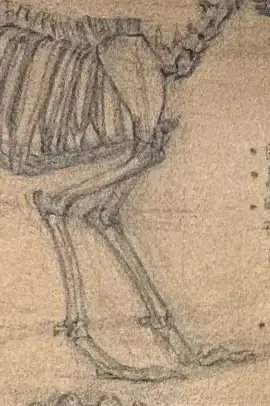
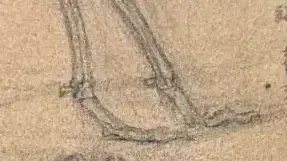
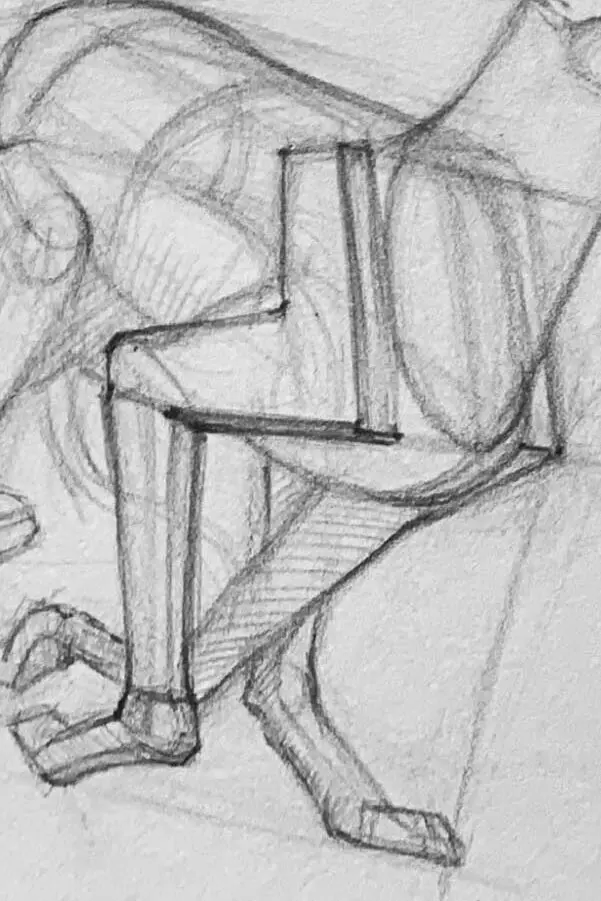
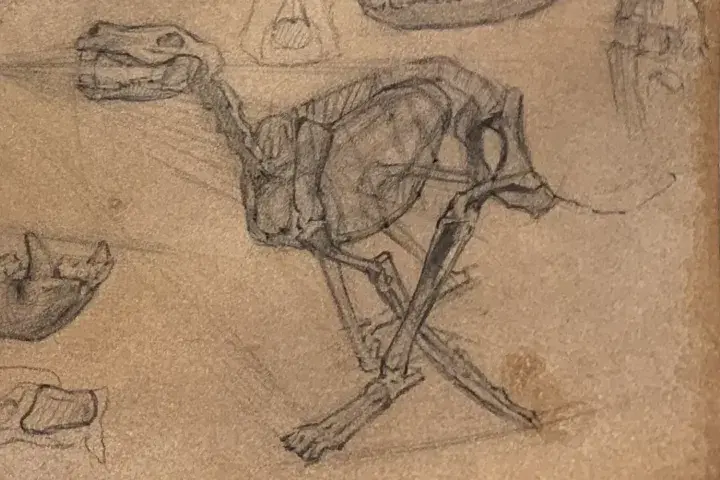
Forelimbs ≠ hindlimbs, they are not symmetrical copies, they are completely different systems.
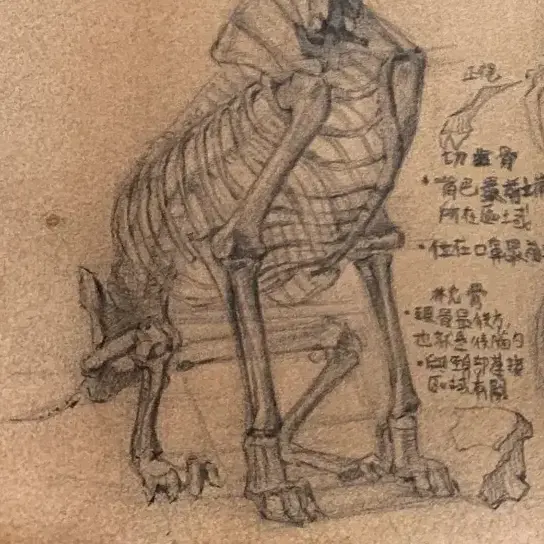
As long as the function is different, the structure must be different
Key Understanding:
The forelimbs are more like pillars and shocks.
There's no clavicle fixation like in humans.
depend onScapula + muscle group "hanging" next to the chest cavity
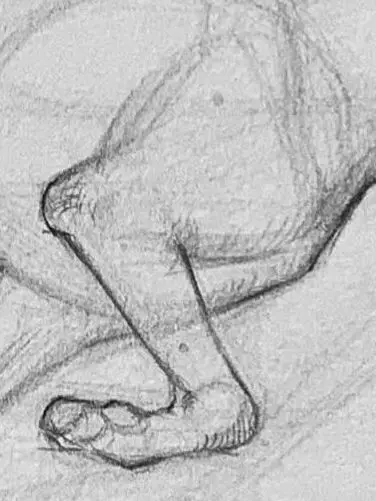
The result of the impact:
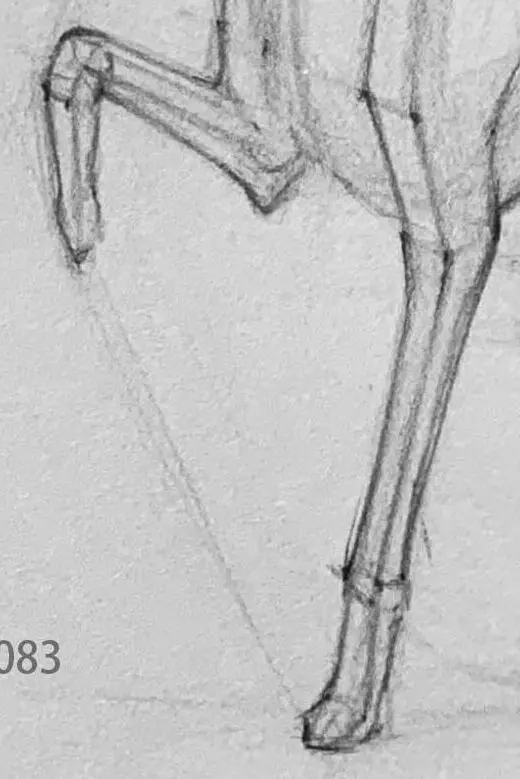
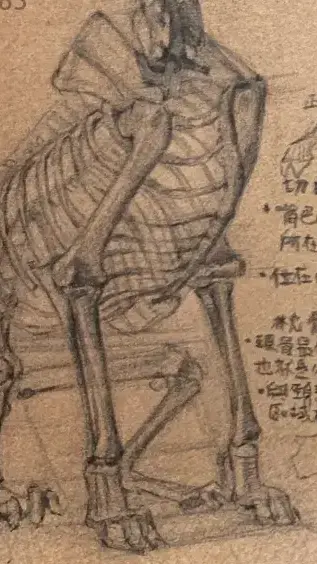
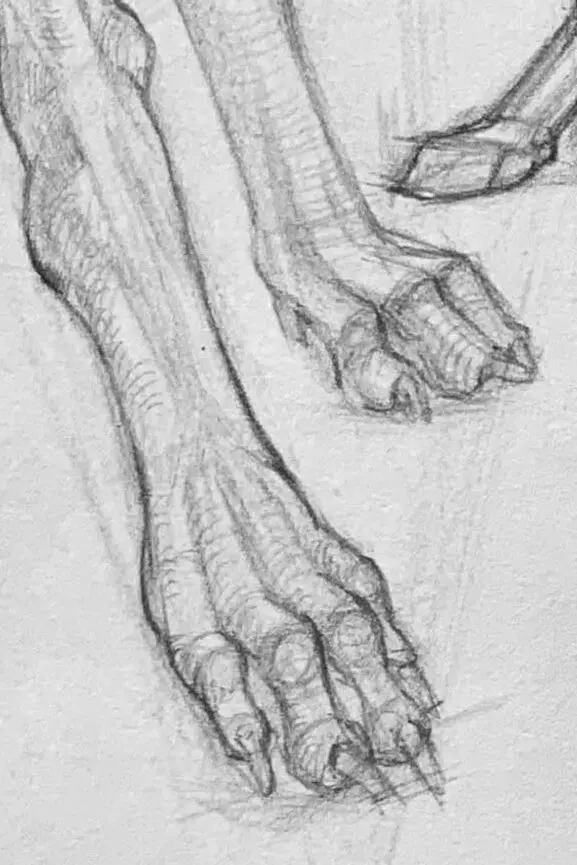
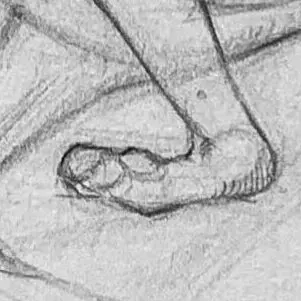
Toes of forefoot straight on the ground, toes clearly separated:
Each toe is like a cylindrical cone, with the center toe being the longest and the outer toes gradually becoming shorter.
Visual Characteristics:
Scapular floatation, unsupported clavicle:
Unlike humans, the scapulae in dogs do not lock onto the torso, but rather "slide against the ribs," so that when the dog runs and turns, the scapulae oscillate and displace with the thorax.
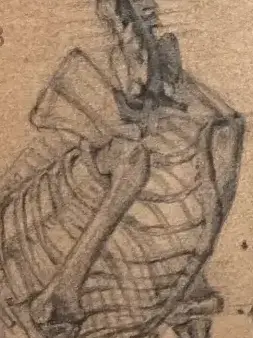
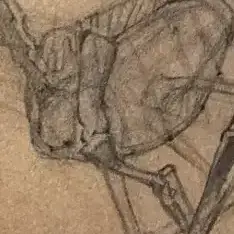
Upper arm short, lower arm long:
A short humerus (upper arm) and long radius (lower arm) creates the impression that the elbow is close to the body and the forearm is down and vertical.
Carpal tunnel is visible:
A visually clear "bulge" is formed at the wrist and is a common structural node.
Key Understanding:
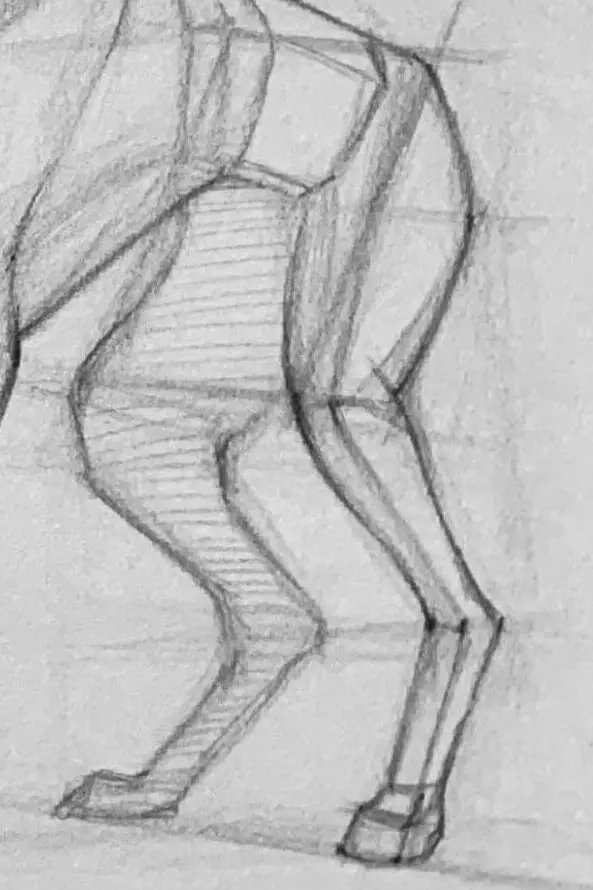
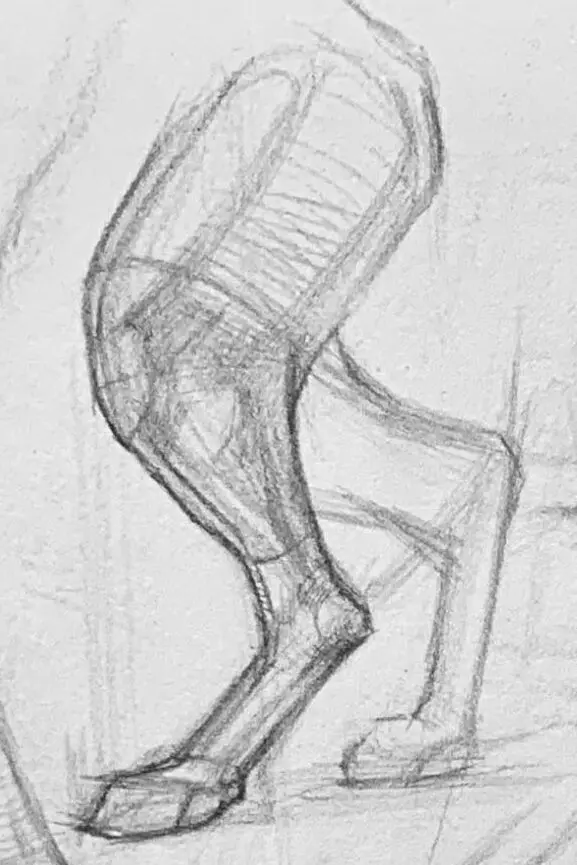
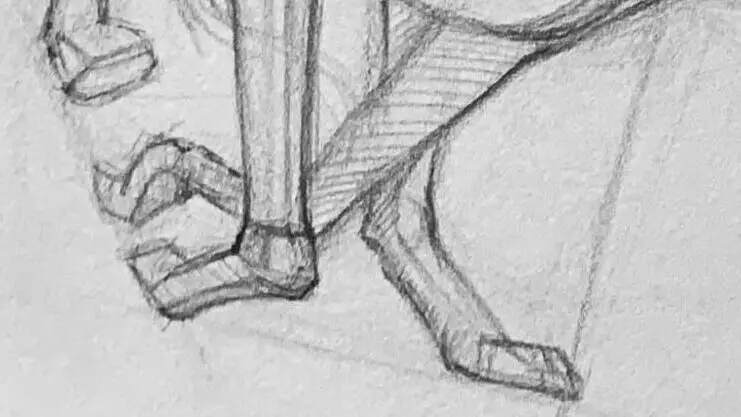
The hind limbs are like springs and engines.
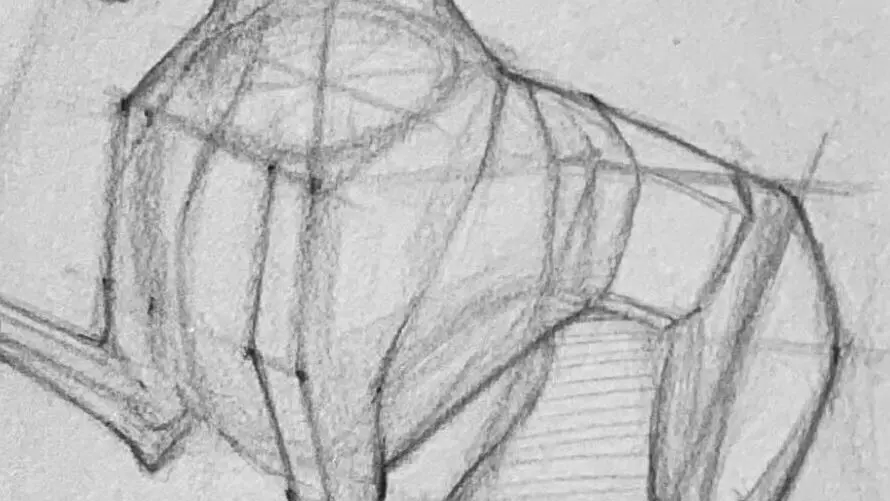
(1) The hind limbs are "directly connected to the pelvis".
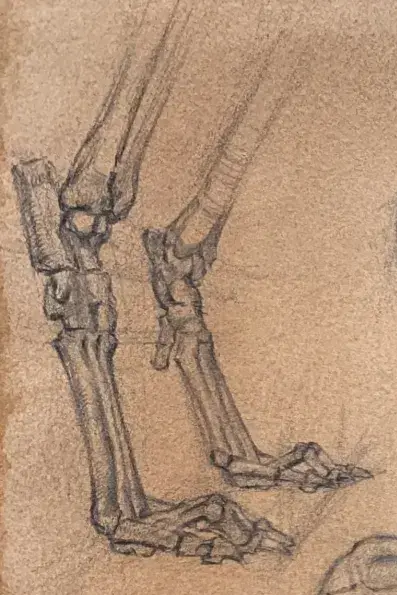
The result of the impact:
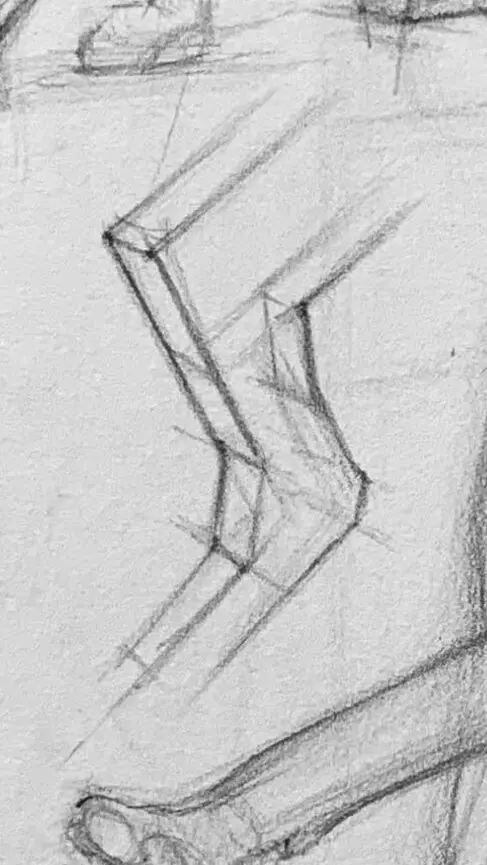
(2) Typical Z-shaped structure
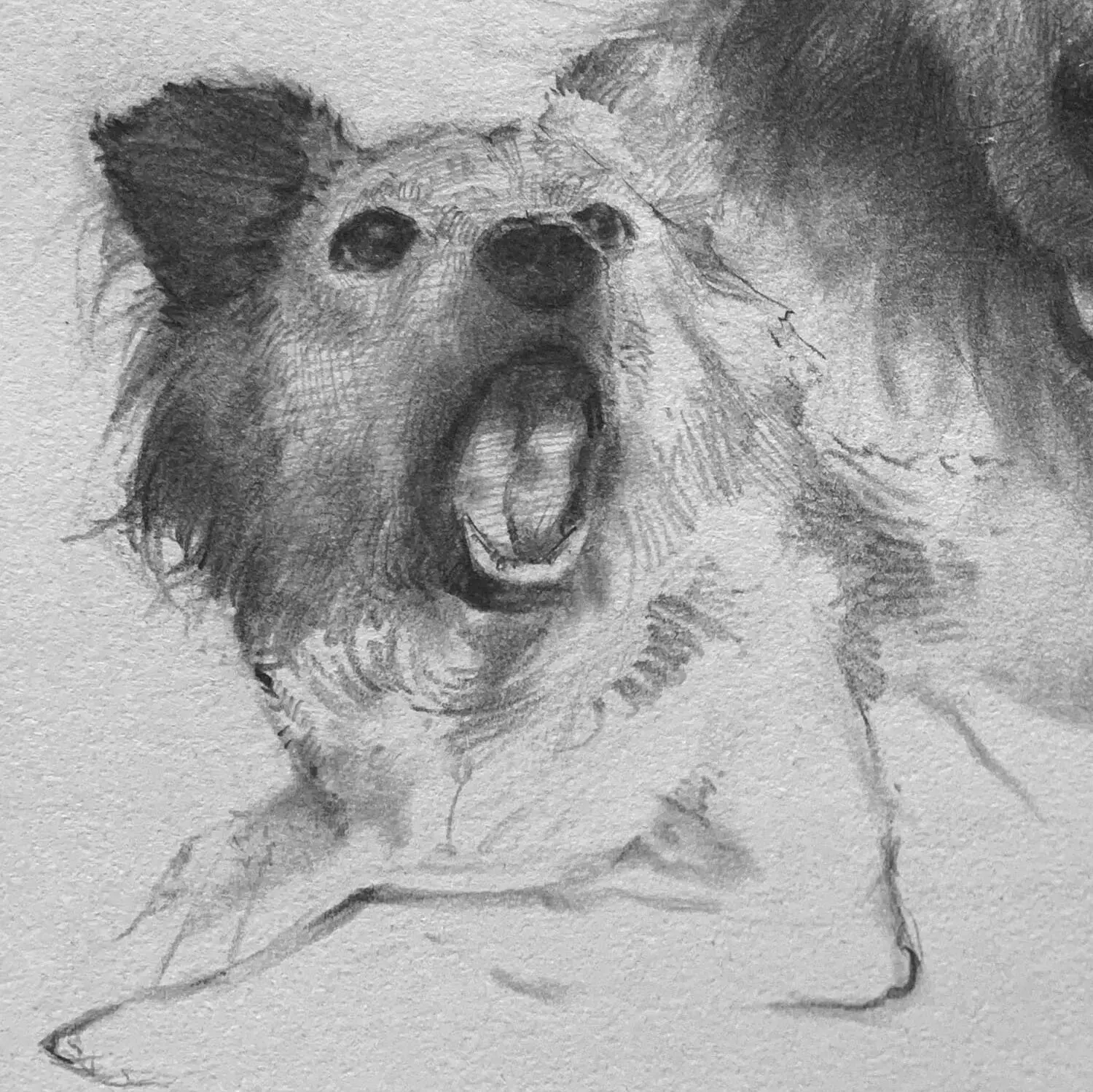
Pay attention to the features of the dog's face when drawing expressions, such as.
And most importantly: the whole package.Head angle會Affecting the direction of the five senses
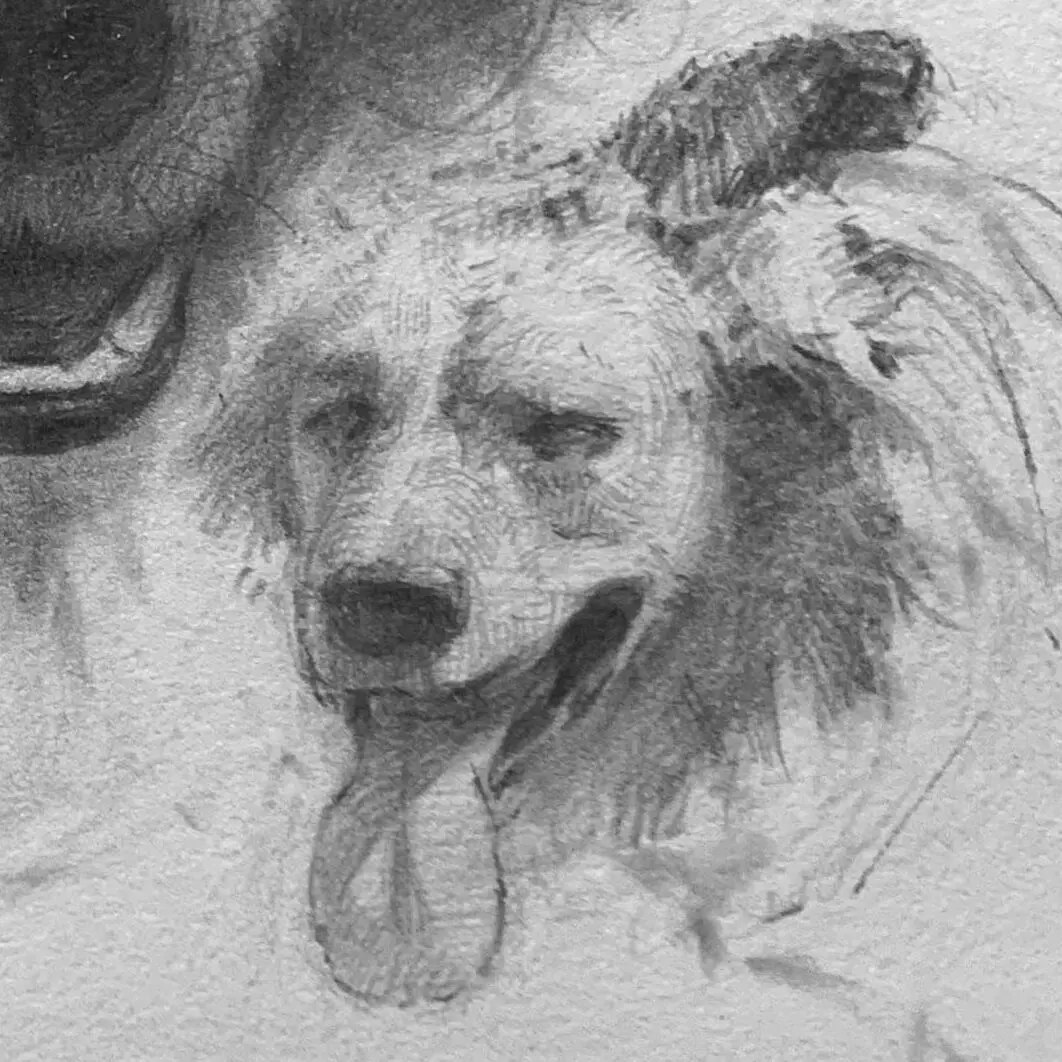
Encourage you to build up your drawing habit slowly from "form dismantling" to "dynamic observation".
It is recommended to start with different body proportions such as Greyhound (Grays), Golden Retriever and Dachshund.
__
I hope this step-by-step description can help you recognize and understand how to draw a dog, if there are any subjects you want to see or drawing methods you want to know, please feel free to leave a comment or send me a private message, I wish you a happy drawing!
How to Draw a Cat with Pencil:Mastering Proportions & Structure
How to draw a Koi in pencil: a lesson in fish sketching
How to Draw Birds: Shape from Skeleton to Wings
Drawing a Dynamic Orangutan: How to Master Body Proportions and Dynamic Structures
Sketching Lions: Simplifying Head and Torso with Basic Shapes