- 登入
- 註冊
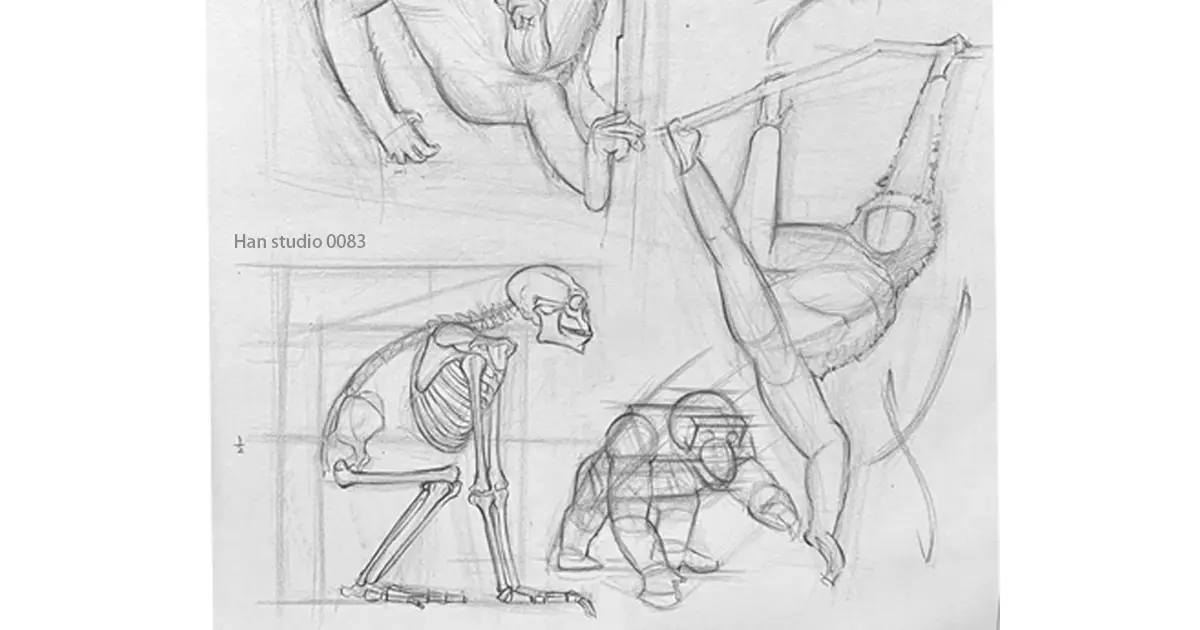
Last week's Monkey Still Life group lesson was a great way to learn about primate structures and how to draw them. Let's read on!
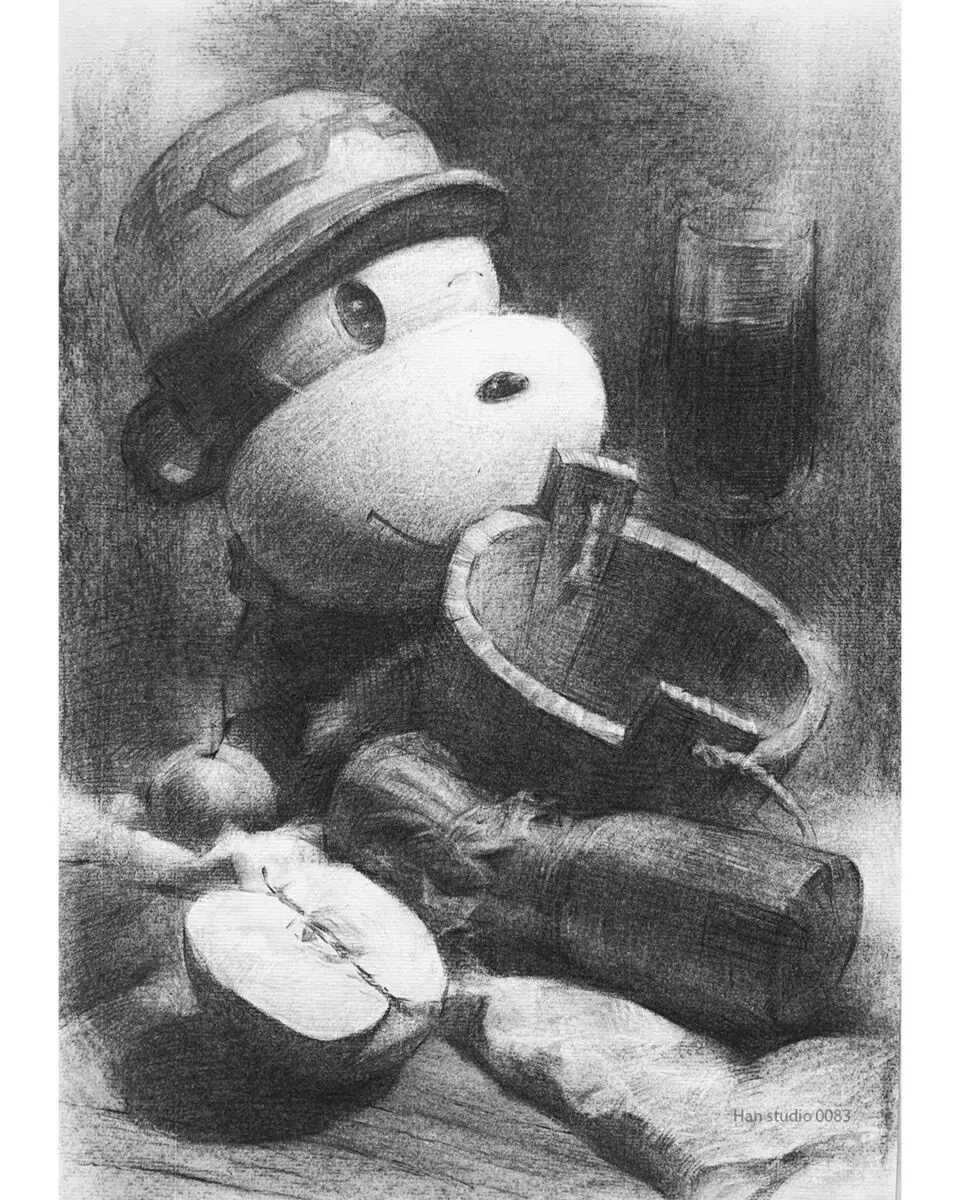
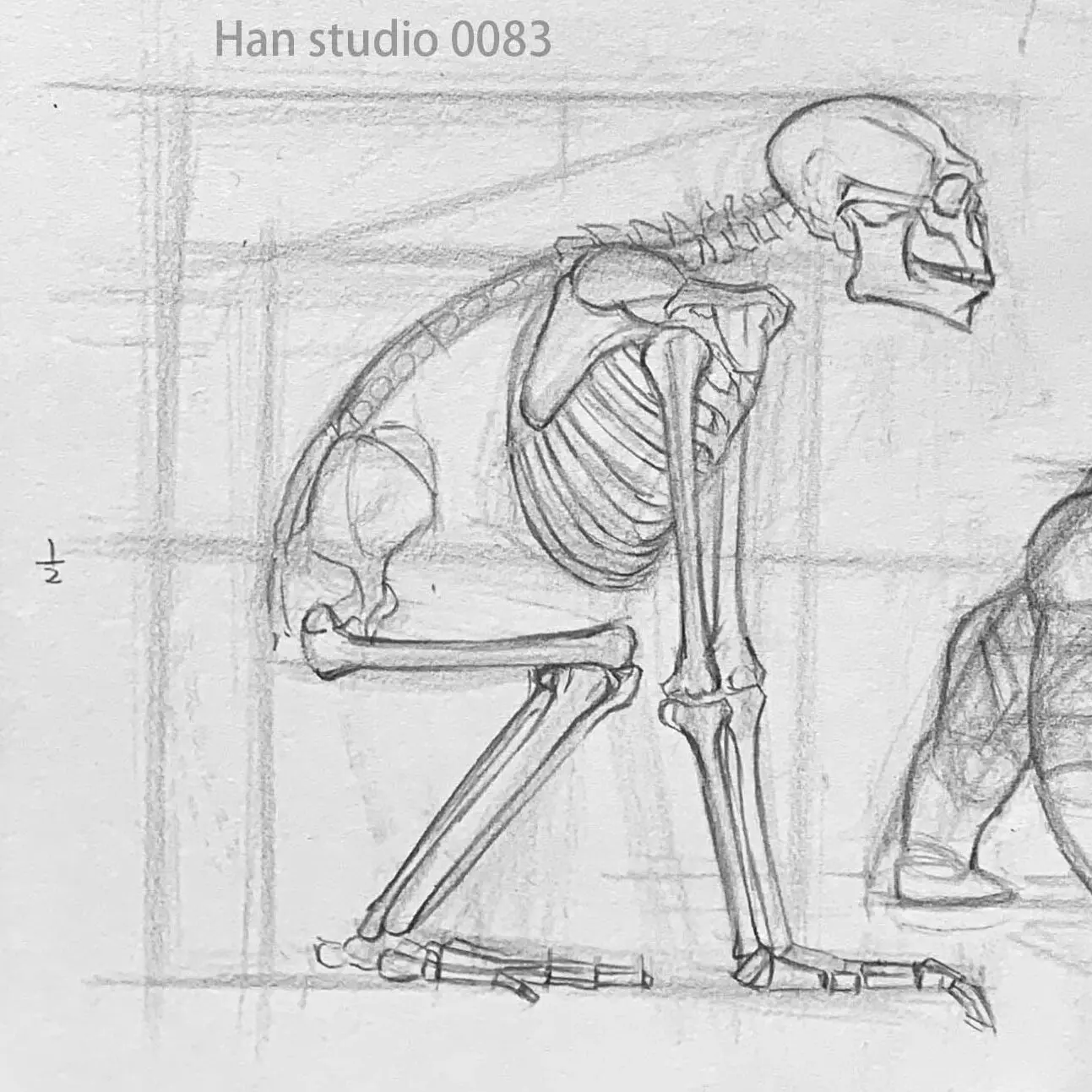
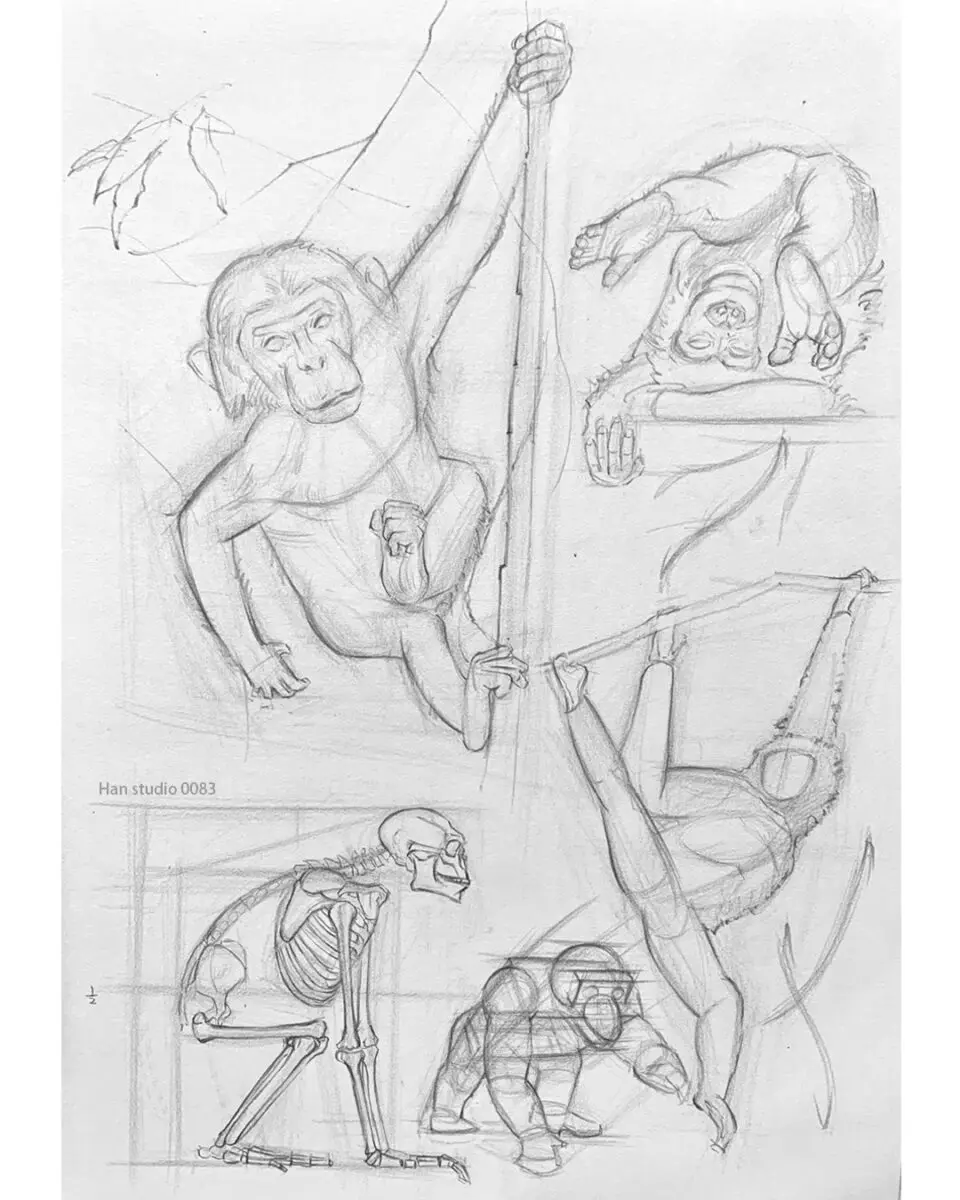
1. The skeleton of primates is similar to that of humans, especially in the length of limbs and the flexibility of shoulders. For example, the skeleton of chimpanzees has long arms and broad shoulders. As you can see from the picture, the long arms and shoulders of primates allow them to move freely.
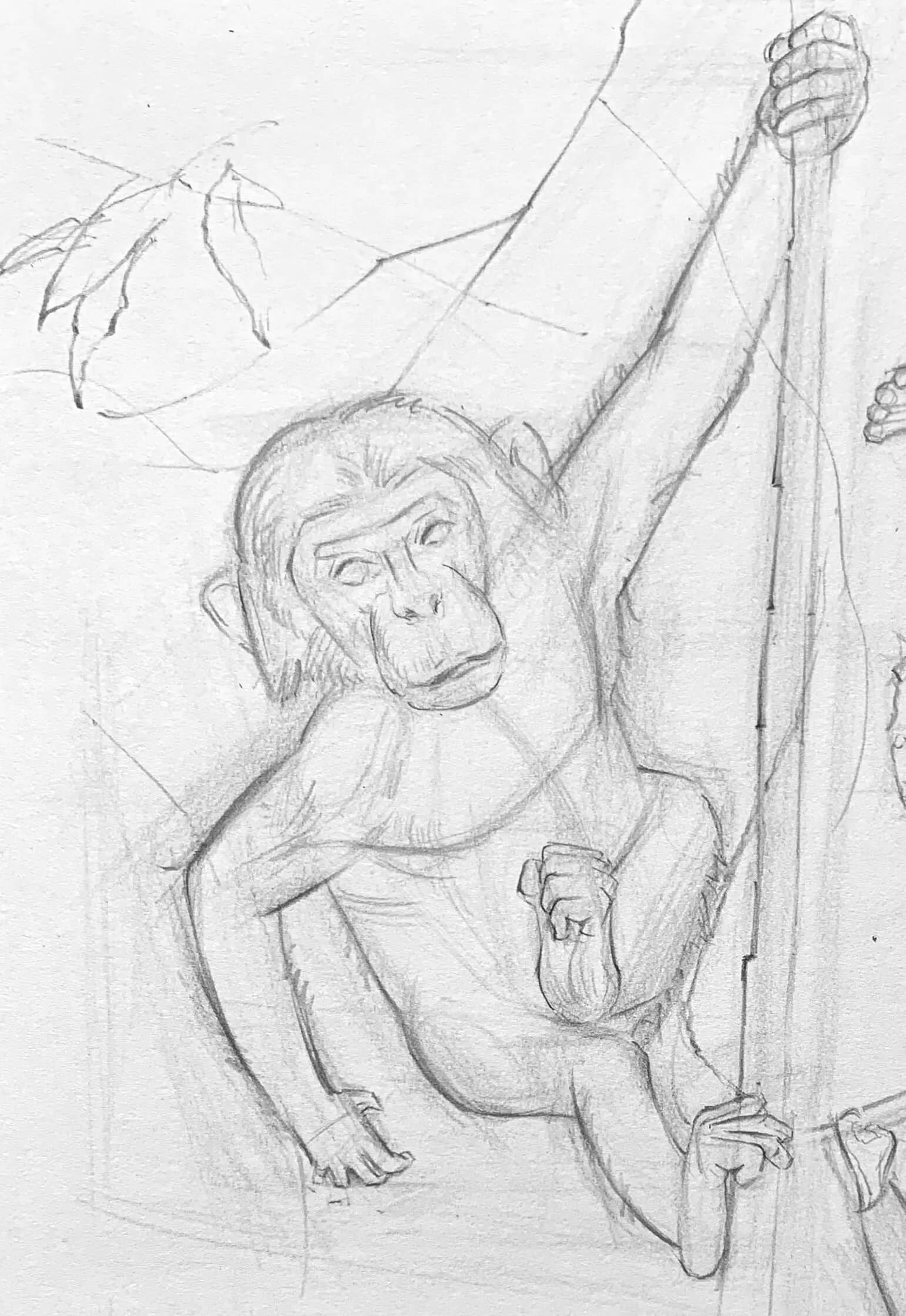
2. One of the main features of the grasping ability of the thumb and big toe, most primate hands and feet have a grasping thumb or big toe, which enables them to hold objects firmly.
Chimpanzees and other primates have relatively large heads, and their arms are longer than their legs, which is a feature that needs to be taken into account when drawing proportions.
The body consists of about three heads, please refer to the bone ratio at the bottom left.
Use simple lines to capture primate body movements in different actions, such as swinging and climbing postures, please refer to the posture lines at the bottom right.
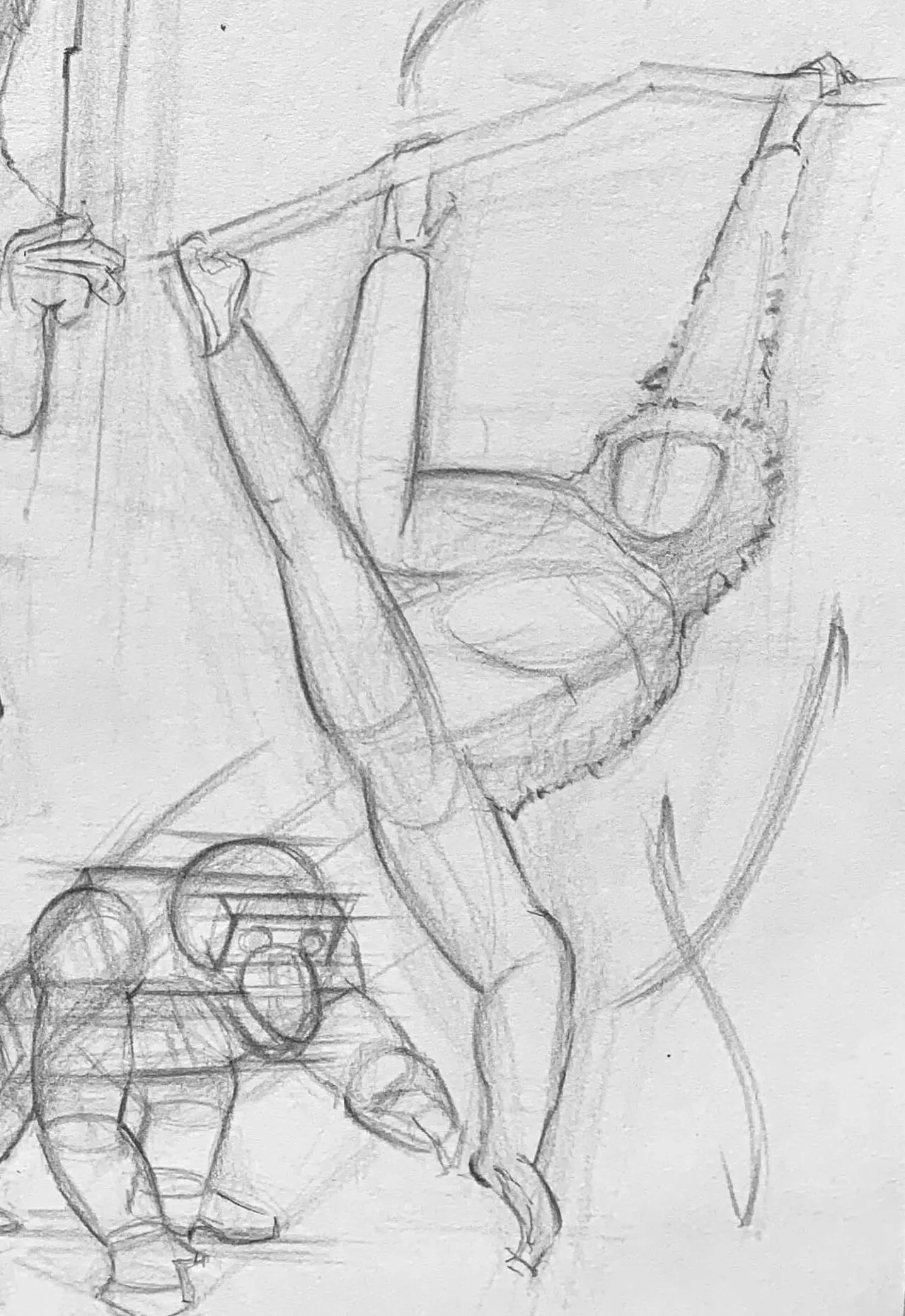
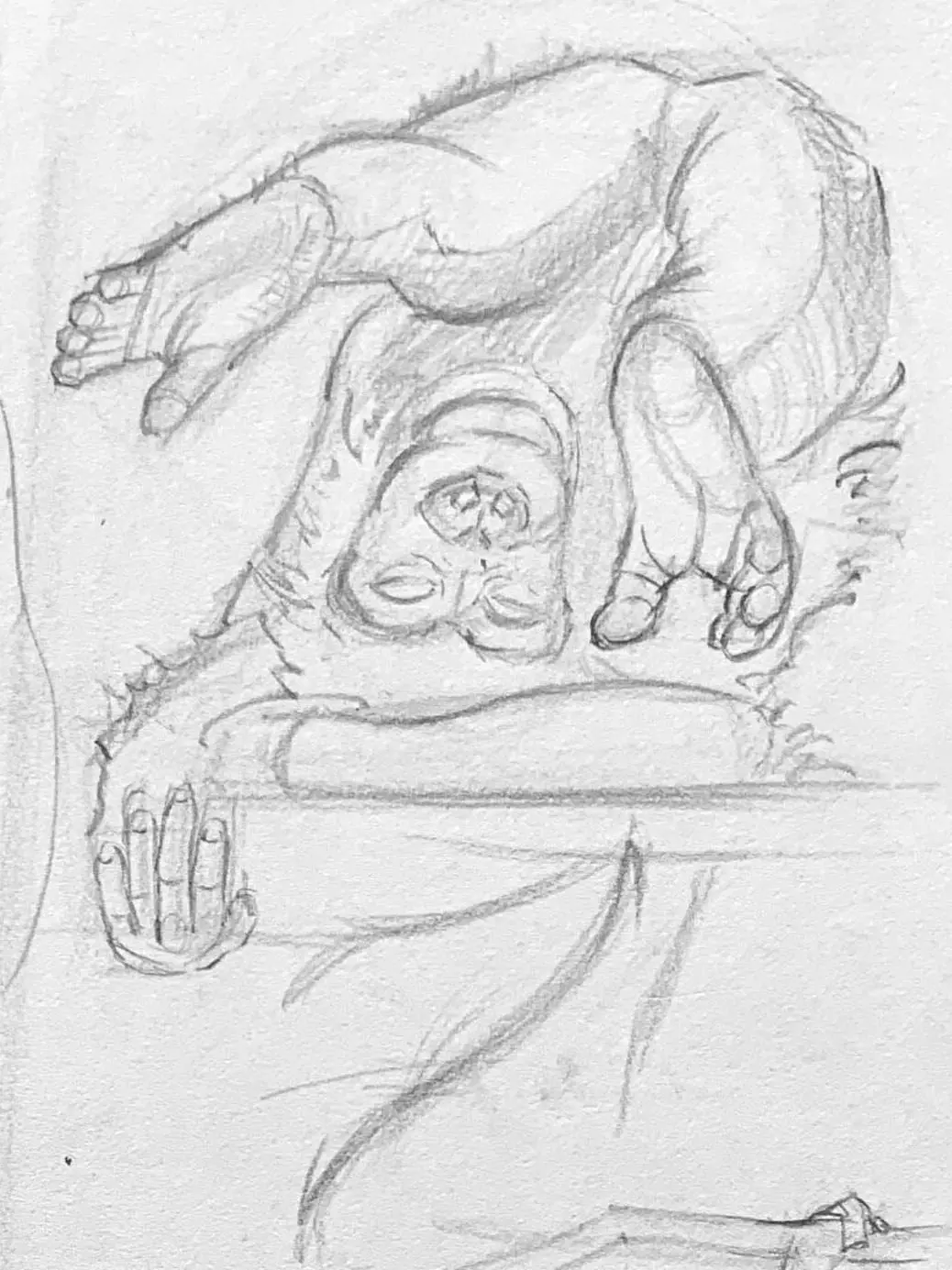
You can start with simple poses and movements, draw basic body lines, and then gradually add parts to the structure, viewing body parts as different types of parts.
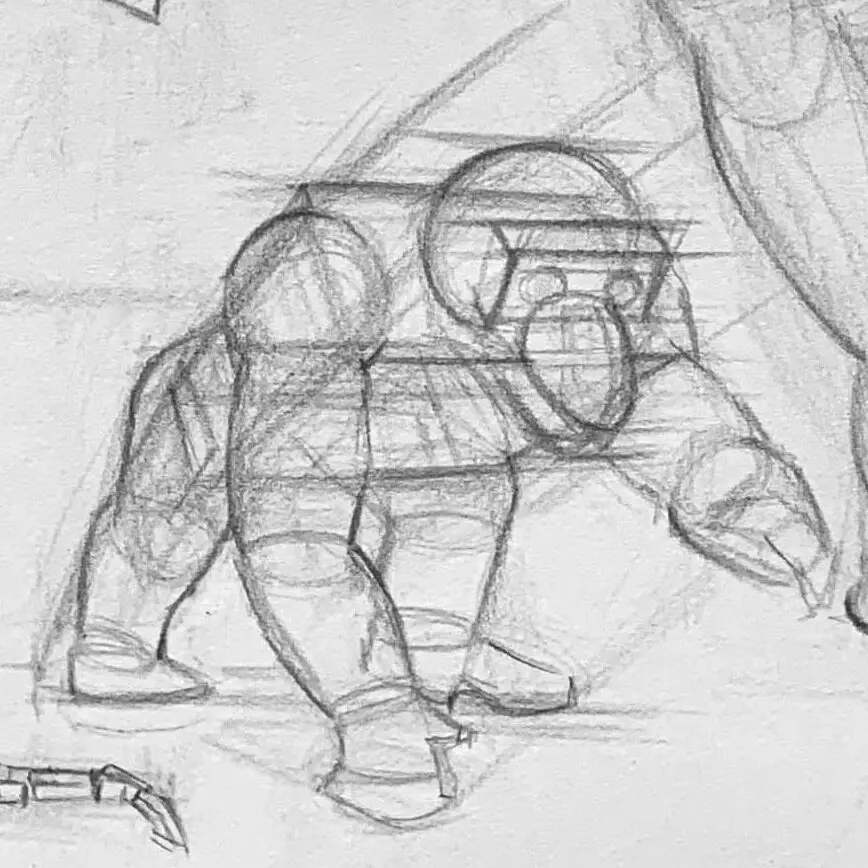
For example, if the body looks like a square with a wide top and a narrow bottom, if the arms are cylindrical, etc., please refer to the Vajra diagram to the right of the skeleton.
I hope this introduction can help you recognize and understand the knowledge of primates, if there is any topic you want to see or painting method you want to know, welcome to leave a message or private message me, I wish you a happy painting!
If you want to learn to draw, but don't know how to start, or are interested in understanding what drawing is all about.
Welcome to join line Contact meIn my classroom, I organize the way I learn to draw in a clear and organized way.
Click here to learn more about the Painting Program