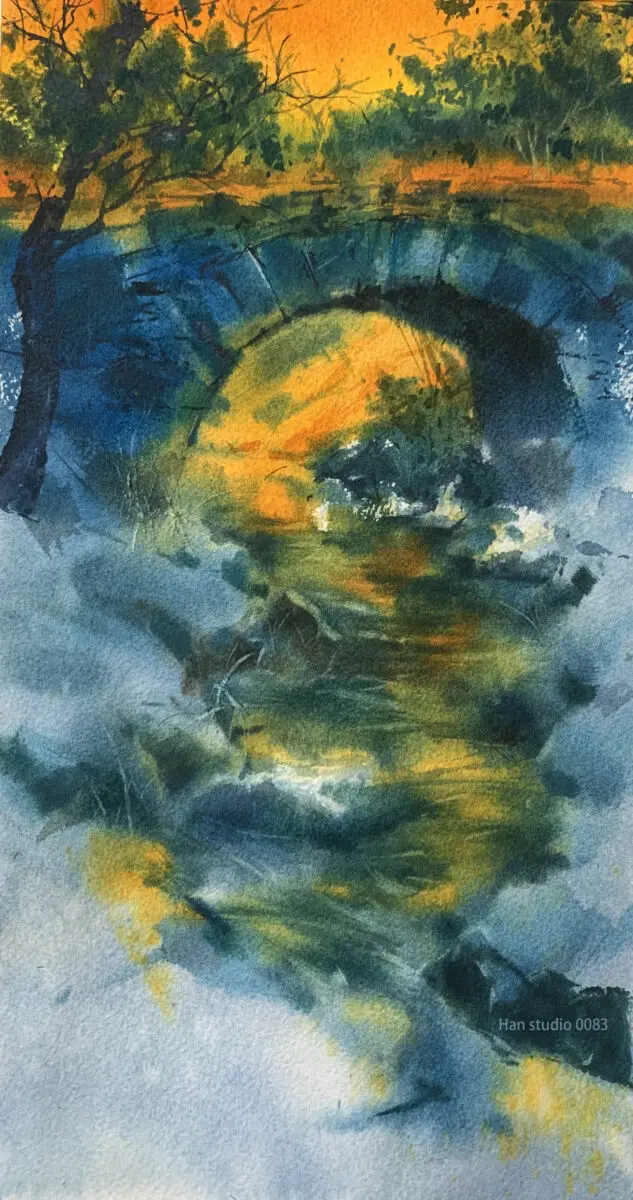
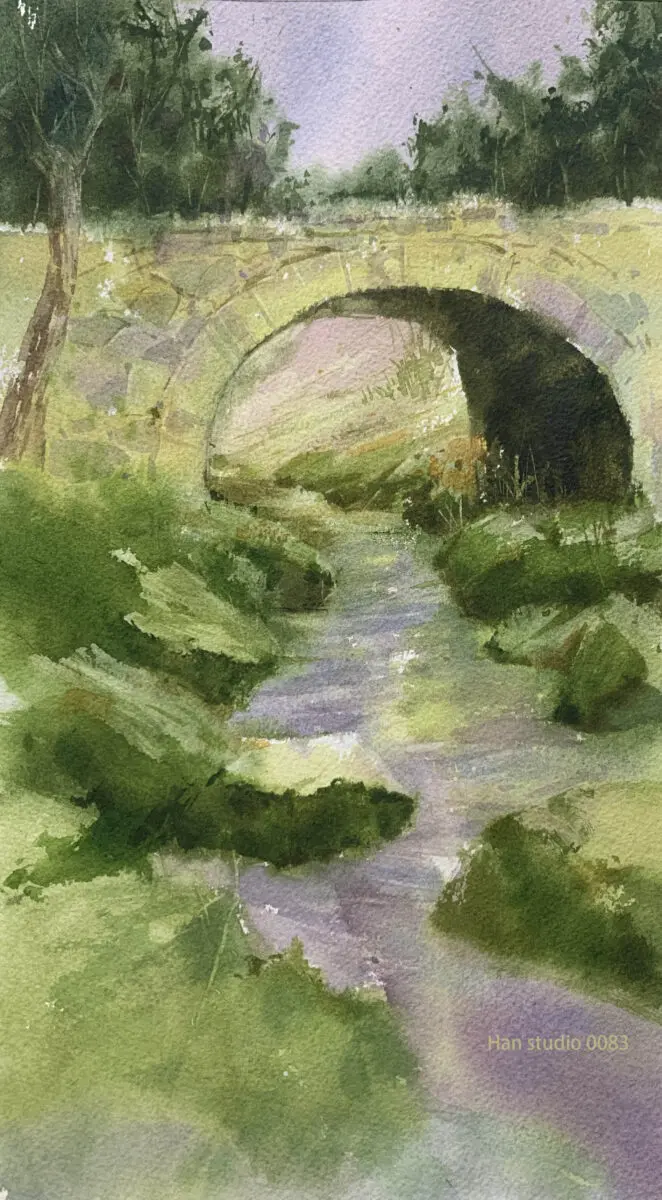
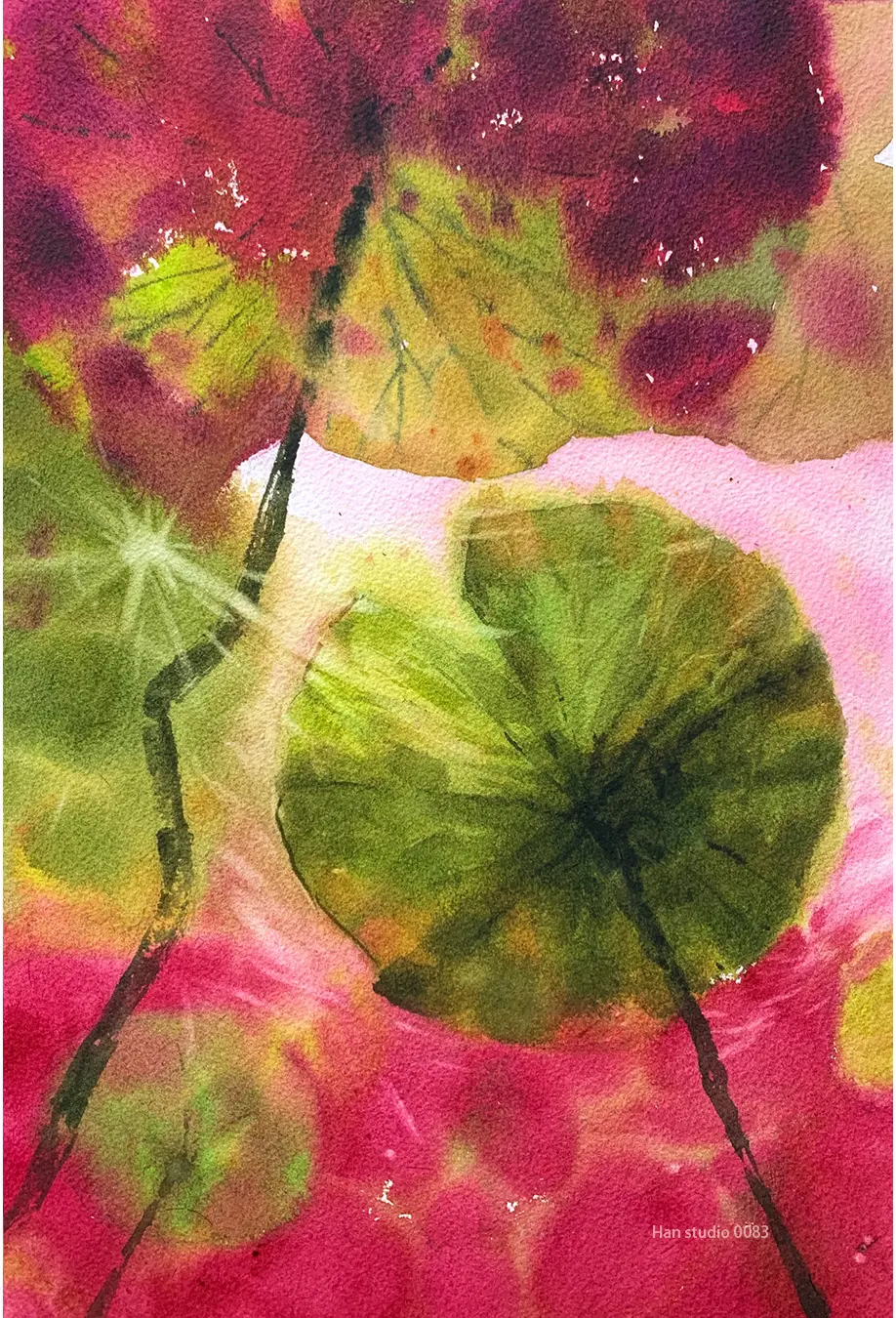
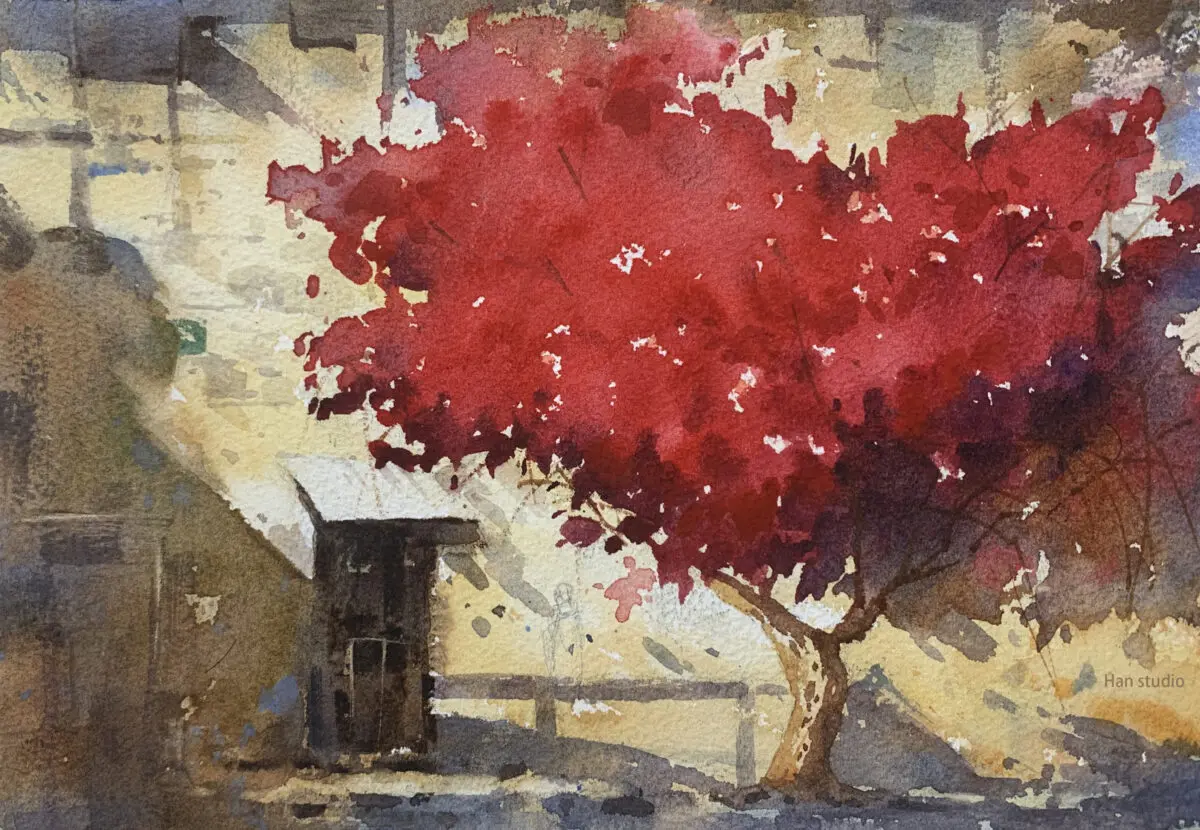
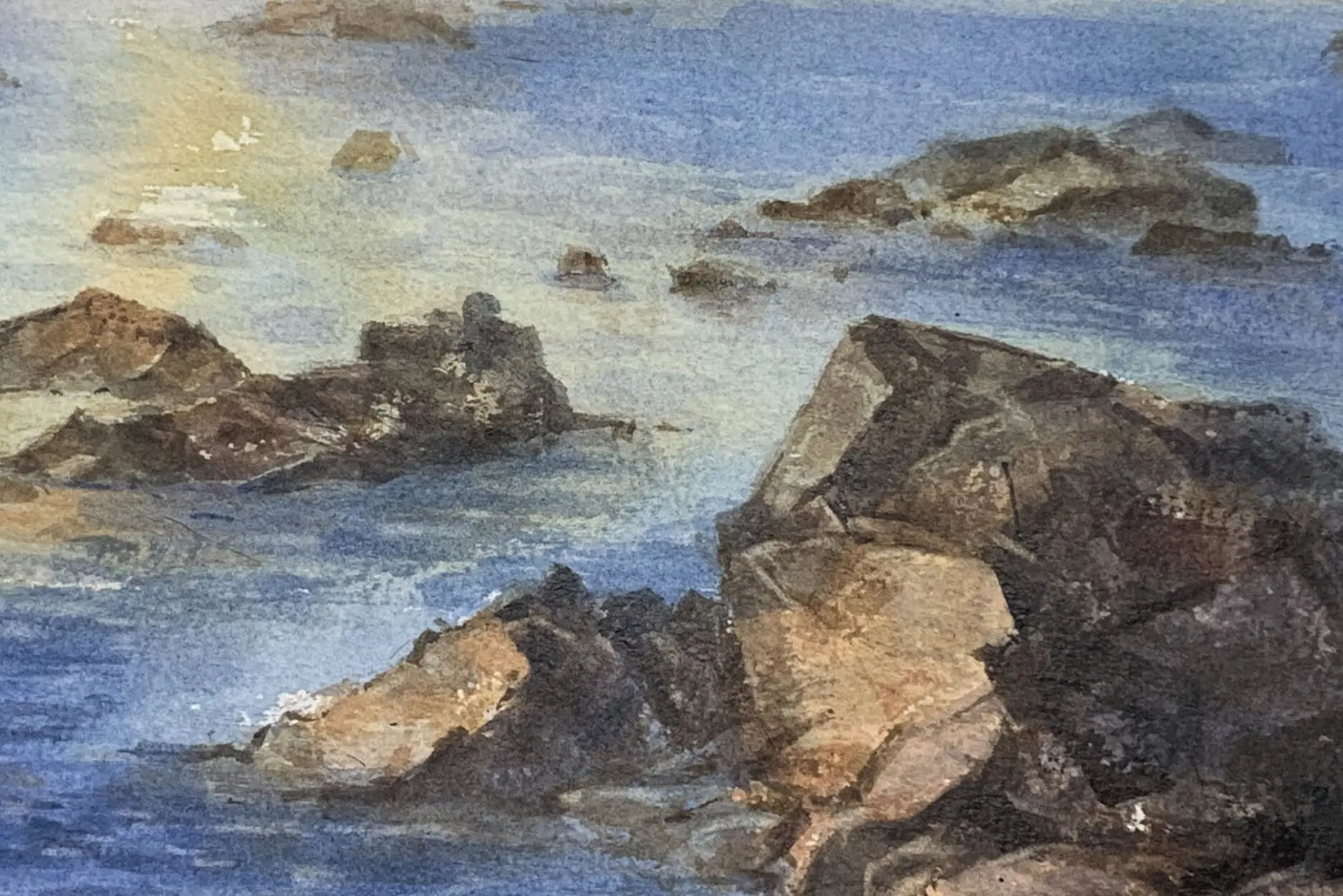
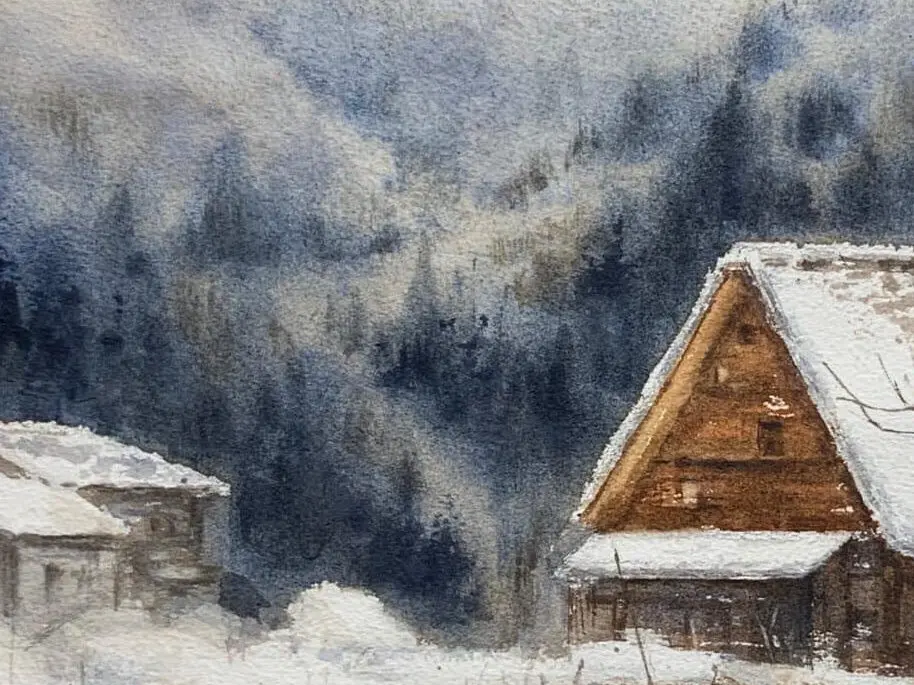
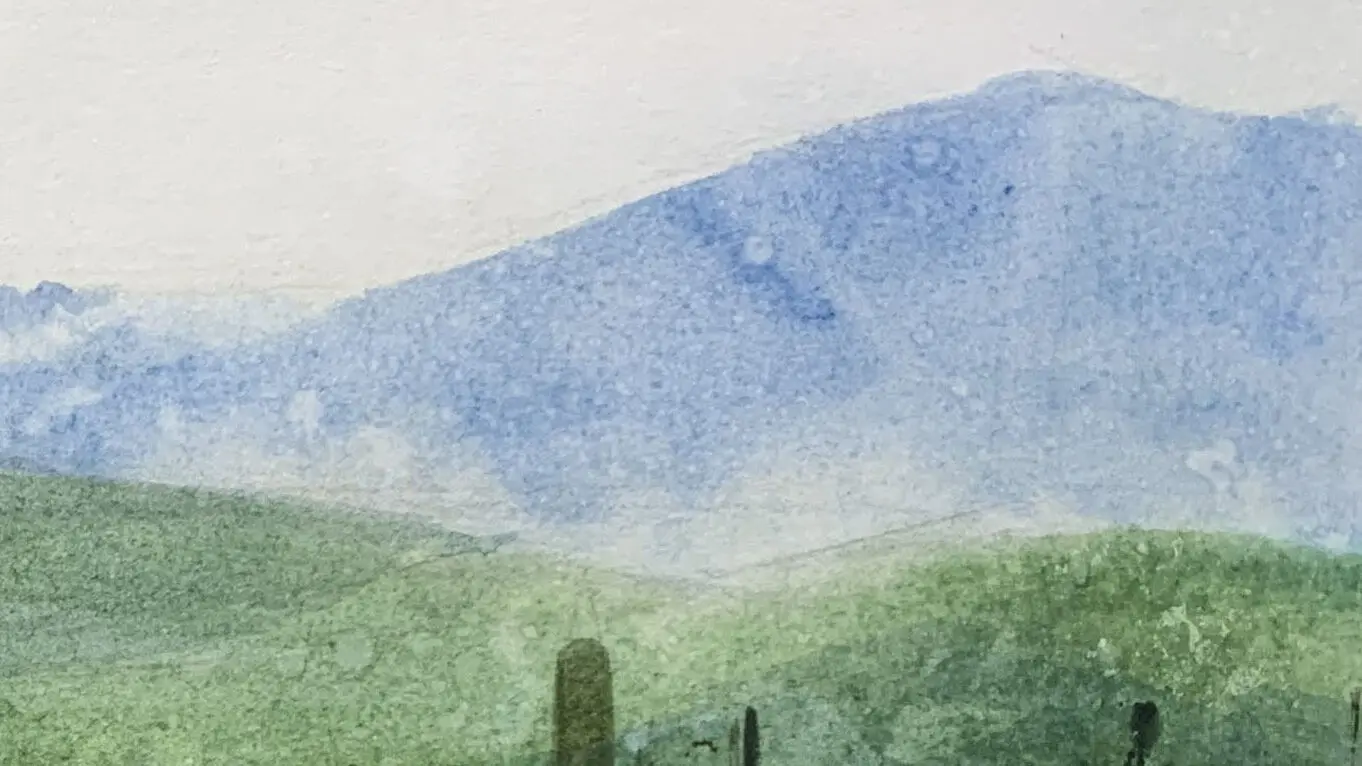
Do you want to record the memories of your trip but don't know how to start? Or do you want to paint a beautiful scene with atmosphere? I'd like to share some of the things I've learned about painting landscapes with watercolors that might help you.
1. Why is landscape composition important?
It is recommended that when painting landscape watercolors, instead of "copying" what you see in front of you, you shouldSelective rearrangement of screen content。
Layout and composition can make your watercolor picture:
Better visual focus (clear protagonist)
Sense of space (front, center and back layers)
Transformation of effects through media (brushstrokes, color matching changes)
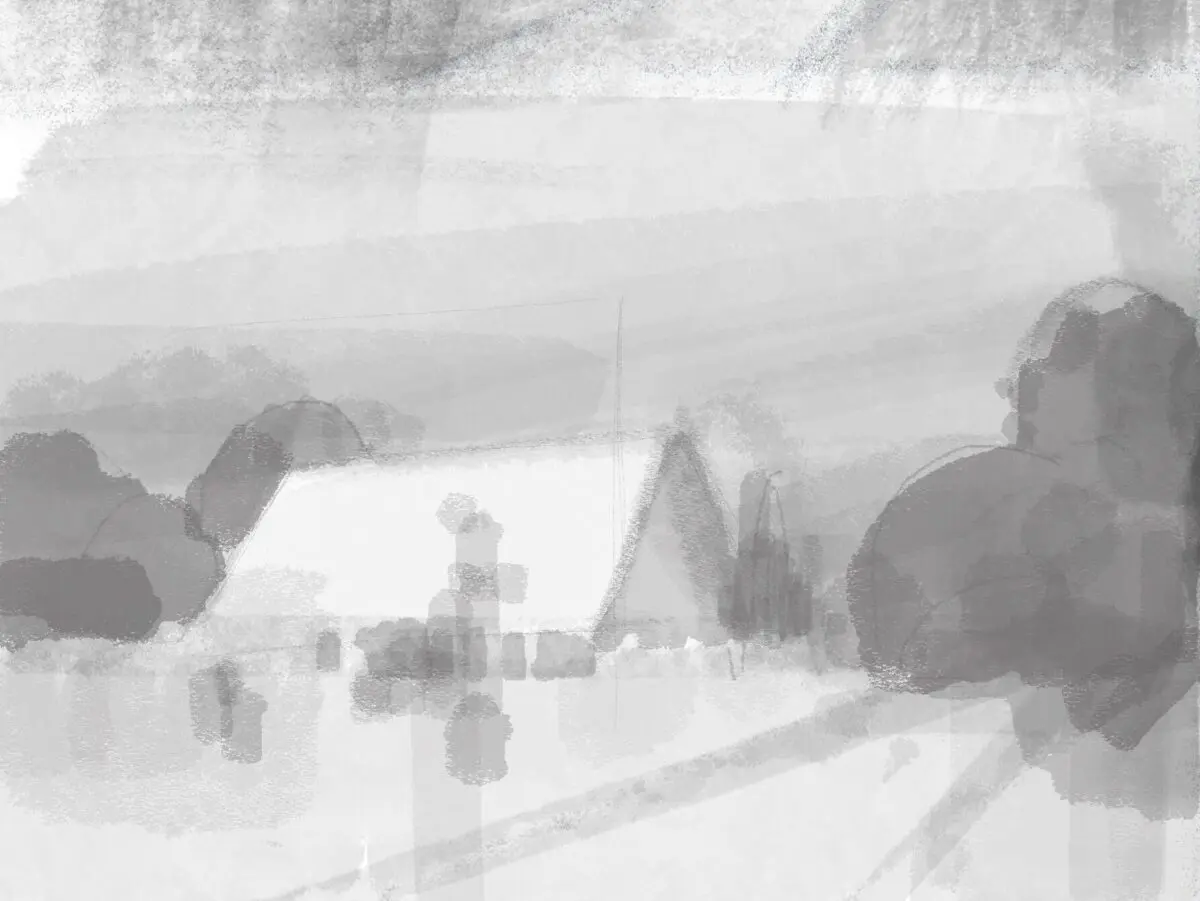
Divide the painting into different areas to help us make the depth of the landscape space more easily.Rearranging the visual focus of the screen to guide the viewer to the key points in the landscape.
The distribution of more or less paintings will lead to a different look and feel of the picture.
2. Basic elements of landscape composition
Element Name
Description
Exercise Suggestions
Theme Focus
What is the "main character" of this painting? Is it a tree? A building? A figure?
Before you paint, ask yourself: What kind of feeling do you want to paint?
Line of sight position
Determine the viewer's angle of view, whether to look up or down? or flat
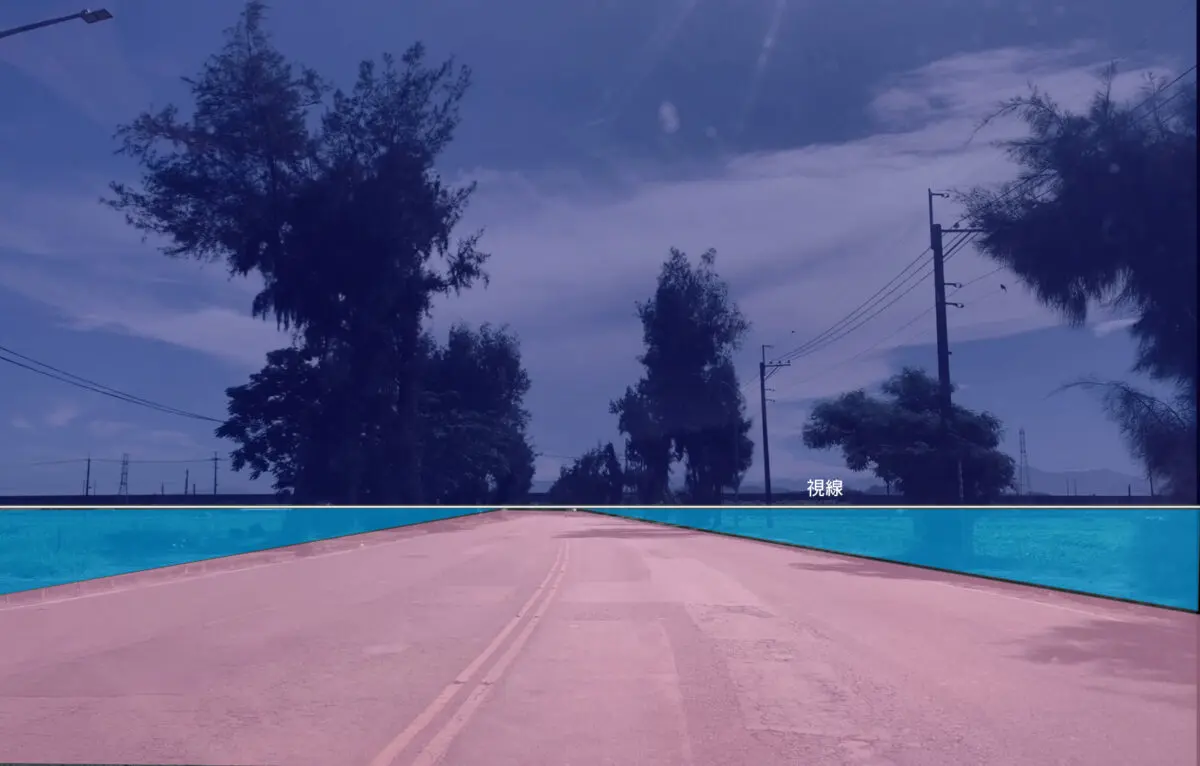
Find out where the perspective lines converge on the screen. The line at the level of the convergence point is the line of sight.
Scale
3:7, 5:5, 7:3 are the common allocation ratios.
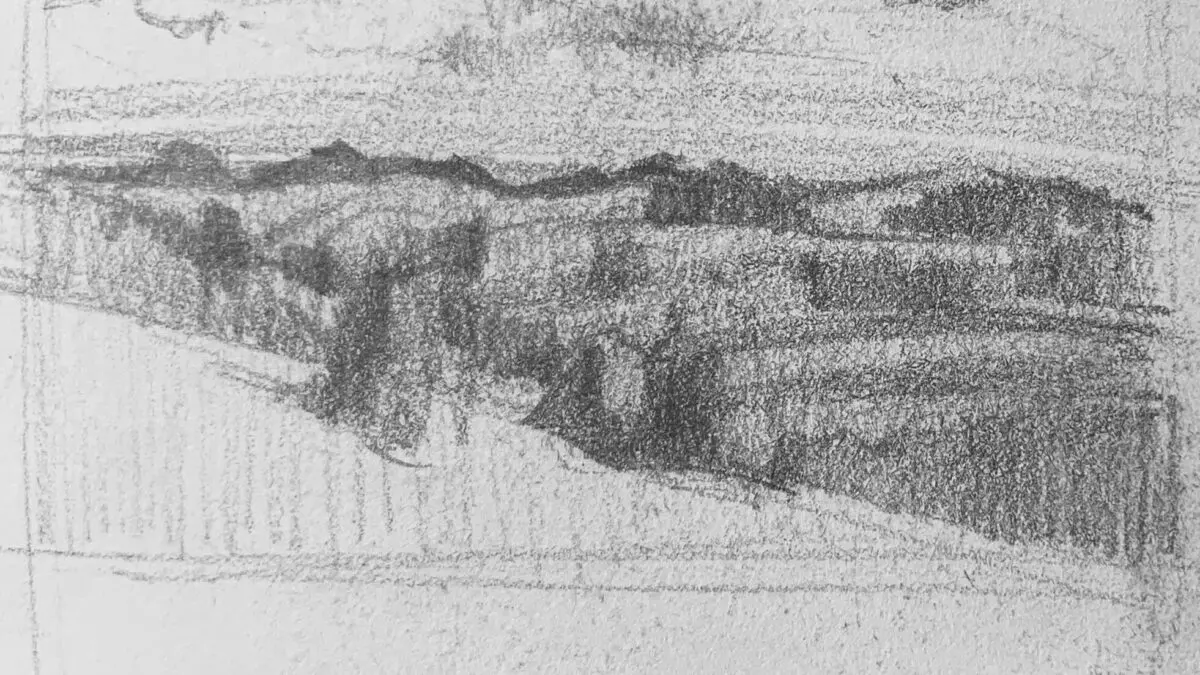
Use a pencil to lightly draw a composition line on the paper to help organize the blocks.
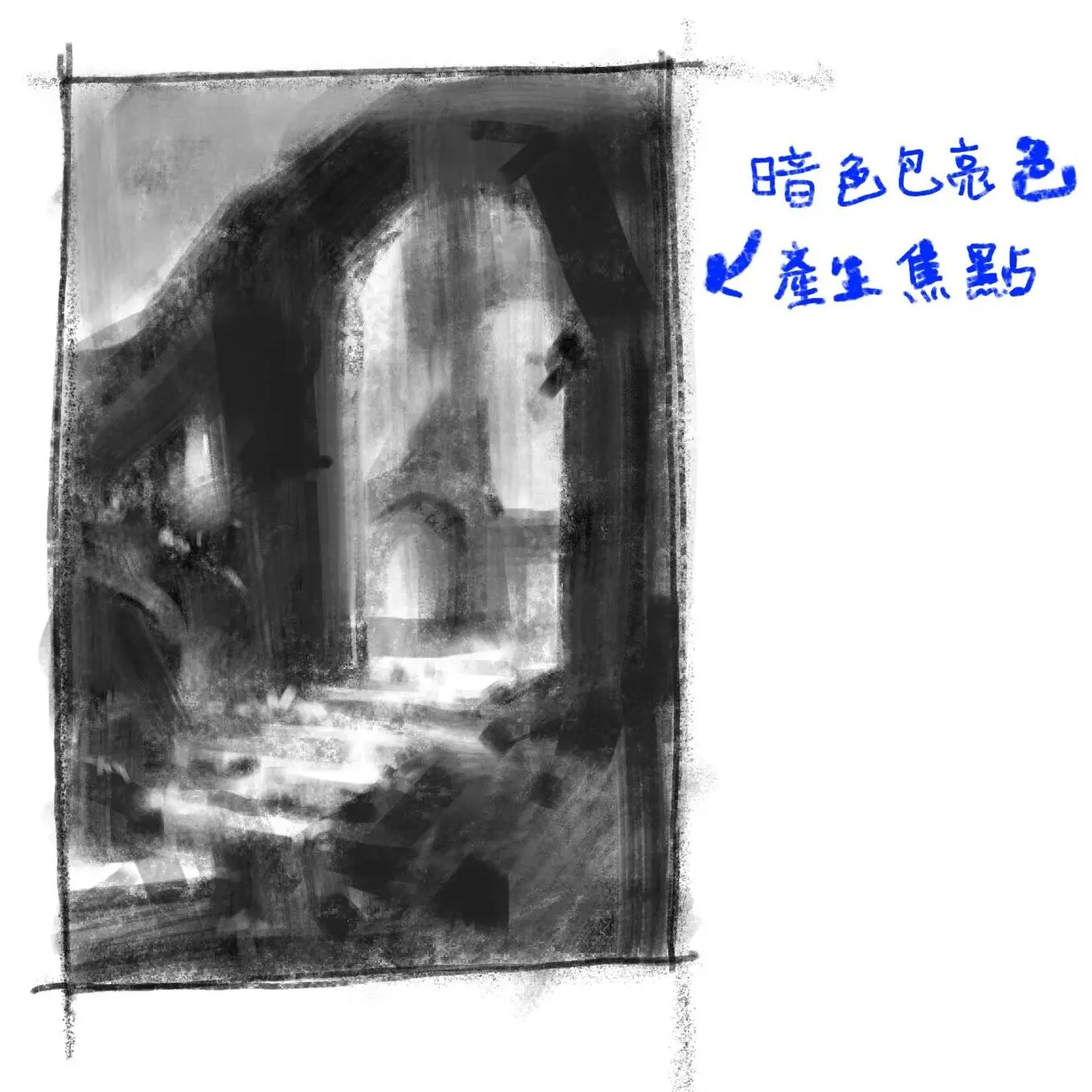
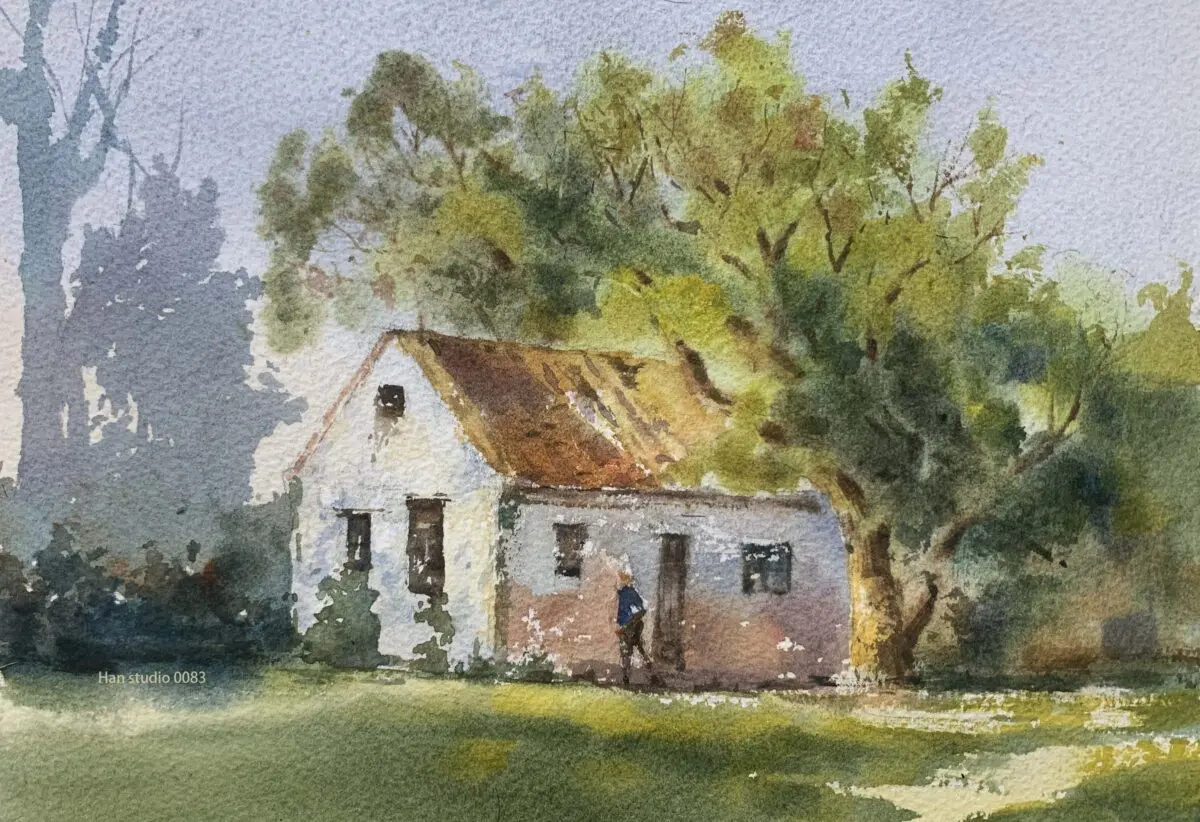
Before painting a landscape watercolor, find out what part of the landscape appeals to you, maybe it's the change in light and shadow, or the interesting change in shapes, etc.The ratio of more and less will affect the feeling of the painting.Darker colors surround brighter colors to achieve focus.It is recommended to design the screen for a single depicted object.The screen guides the viewer to focus on the key areas.
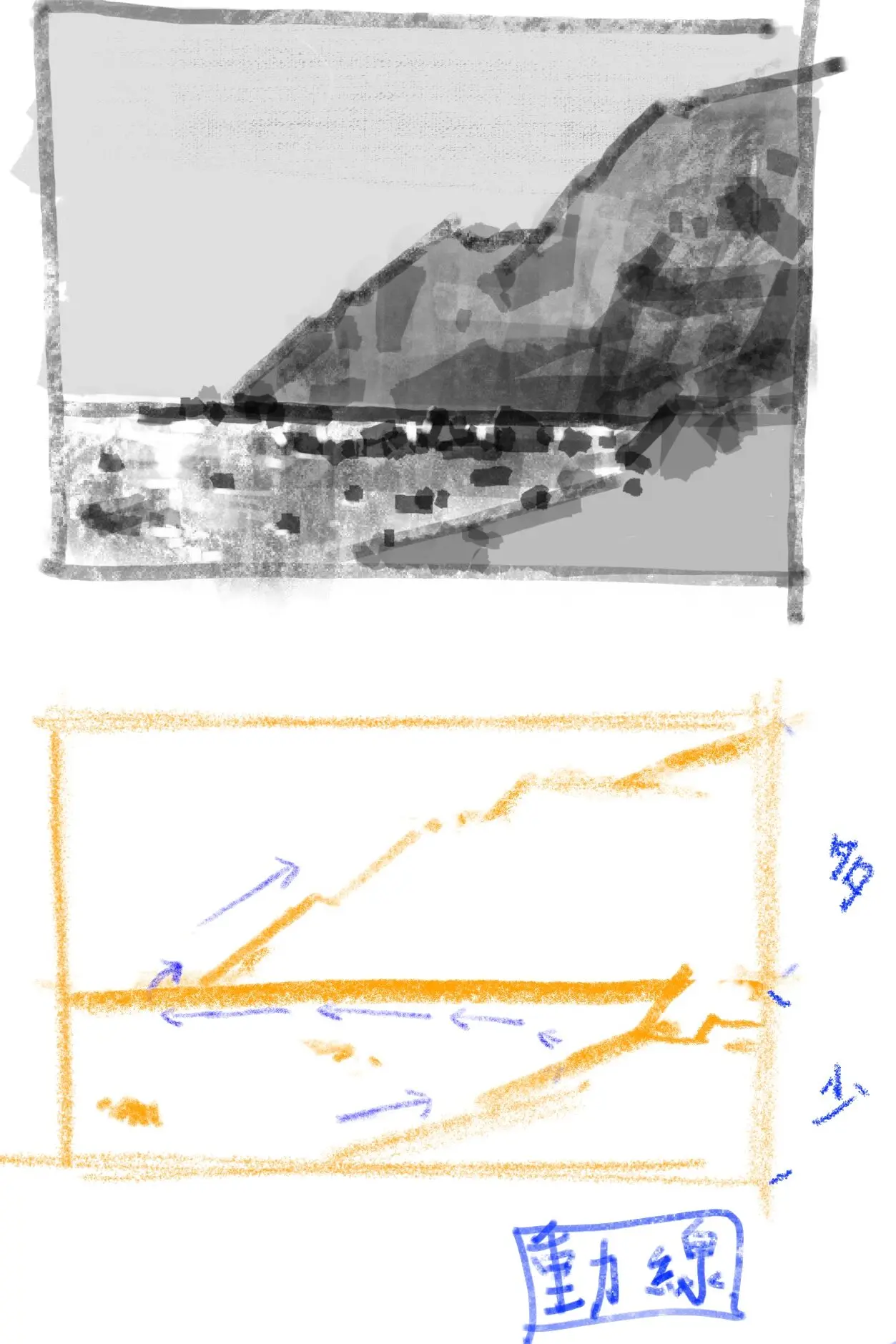
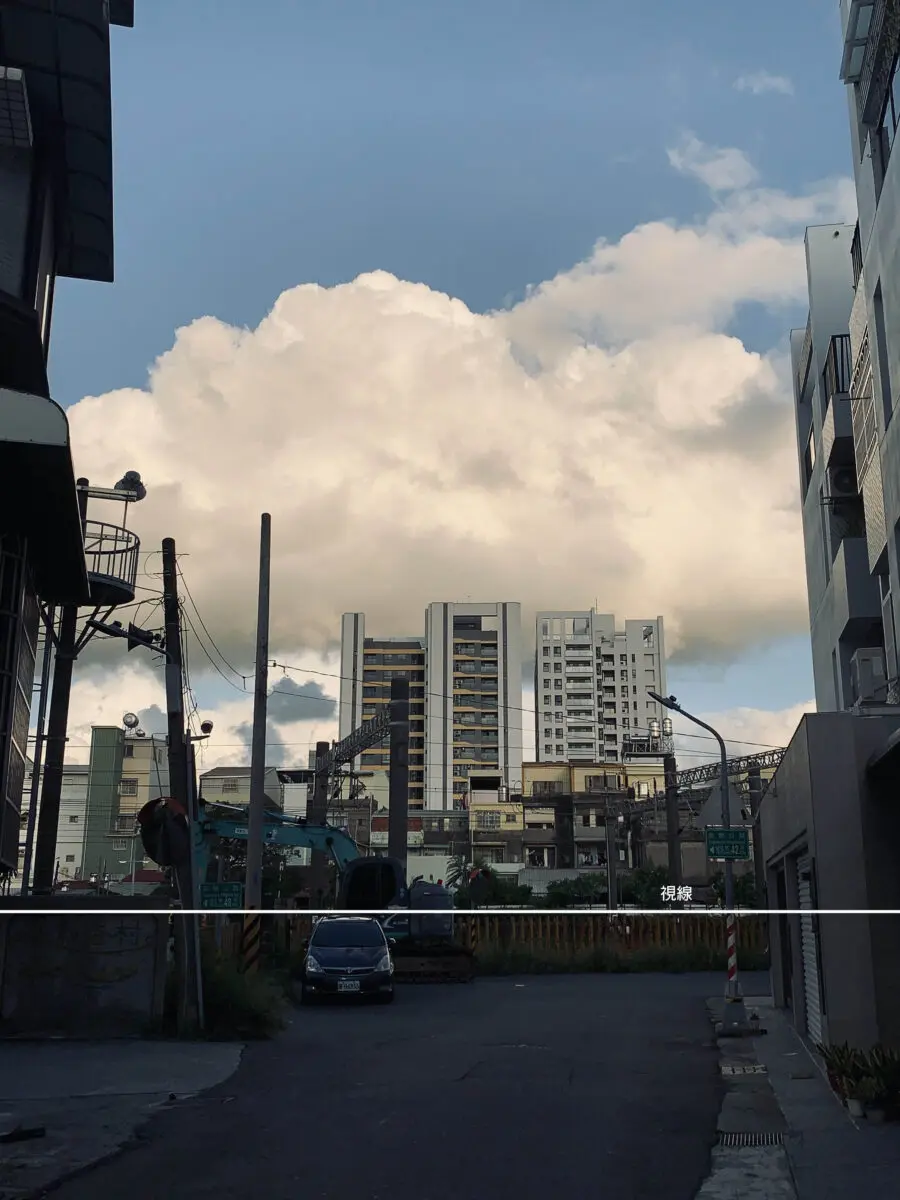
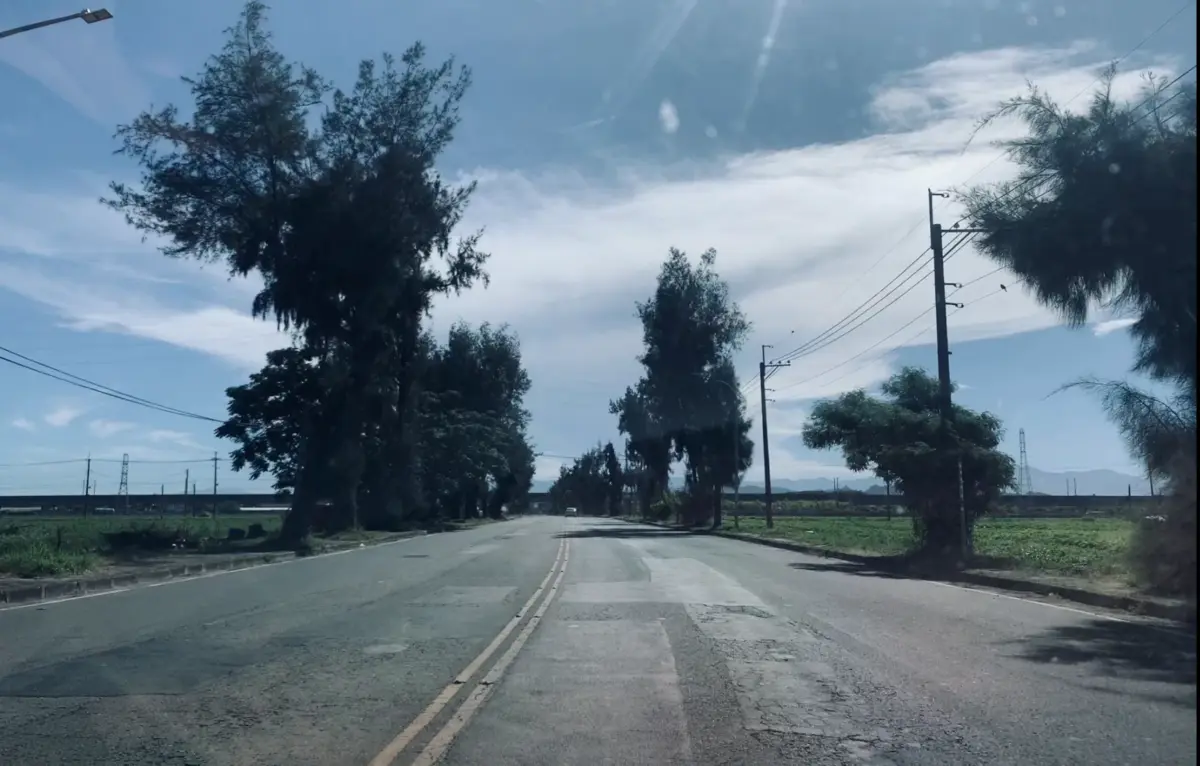
Set the view height, for example, in this picture, the view position is approximately at the level of the white line.
The highway landscape is divided into foreground (road), midground (trees), and foreground (highway), with the sky above the horizon and the land below.
3. Common Landscape Watercolor Composition Types
Type Name
special feature
Picture Effect
[Horizontal Structure]
Horizontal spreads such as lakes, mountains, and distant cities.
Stable and calm, suitable for expressing the contrast between the sky clouds and the earth.
"Diagonal Composition
The main body is arranged diagonally, often found in mountains, rivers, and clouds.
Dynamic, with the ability to glide from one corner of the screen to the main subject
[Z-type structure
The foreground-middle-foreground-foreground is arranged like a zig-zag.
Visual guides, often found in rural and field scenes.
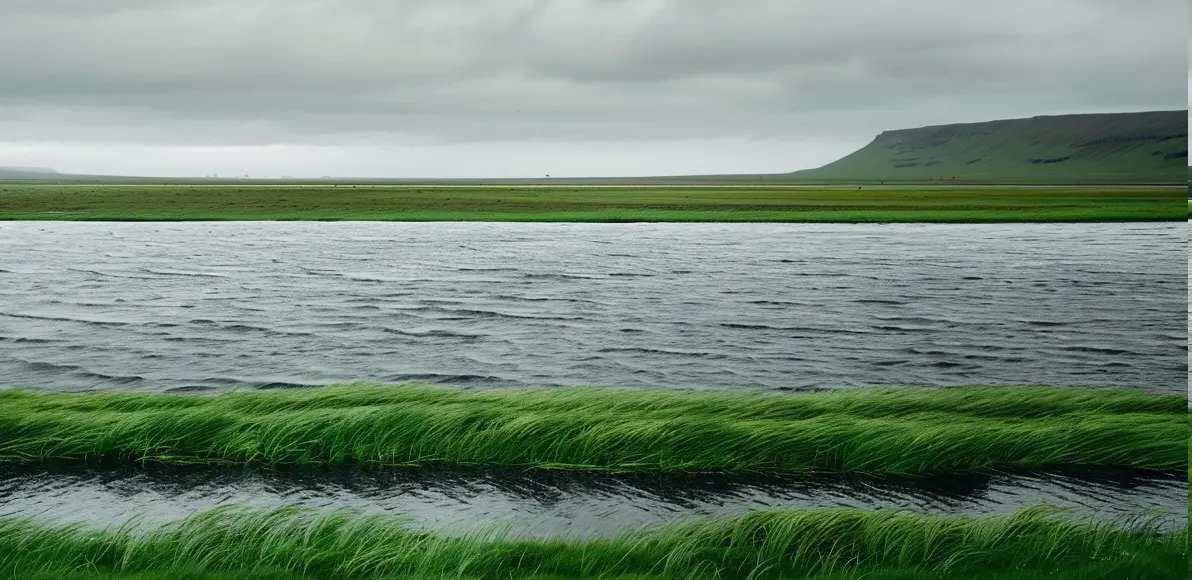
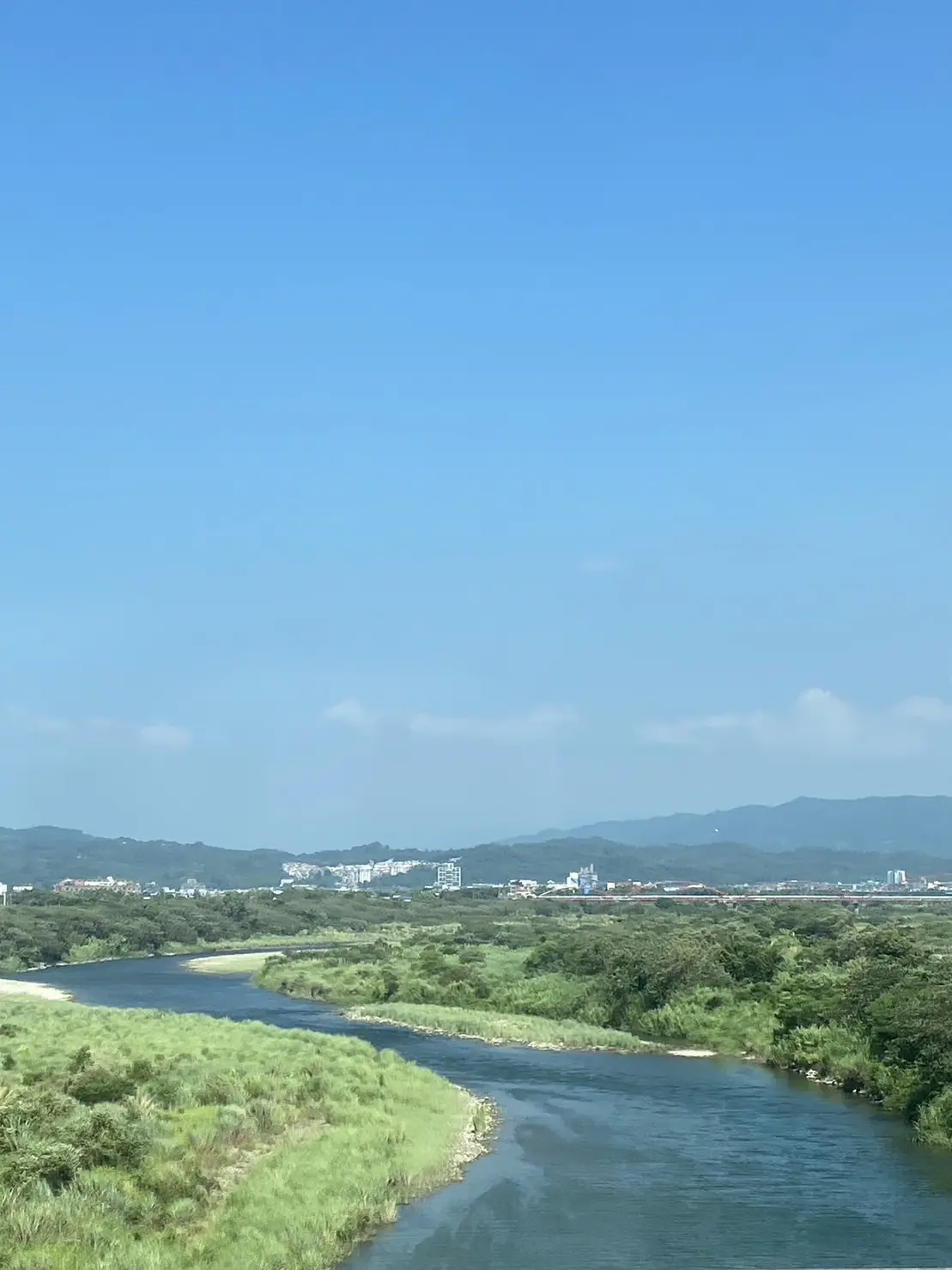
The whole composition, except for the mountain, the water and the grass are horizontal.Framing allows for localized cropping, which creates a sense of extension.The river guides the visual line, and the change in the width of the riverbed makes the composition interesting.
4. Layout of color blocks and distribution of strengths and weaknesses on the screen.
Level
Description
Color Configuration Suggestion
Main Color Block
e.g. buildings, trees, landmarks
High color or dark, crisp edges
Medium View Block
e.g. grass, water, extended paths
Slightly lower grayscale or color to avoid eye-catching with the main body.
Background color blocks
For example, mountains, sky, fog
Light colors and blurring help pull out a sense of space.
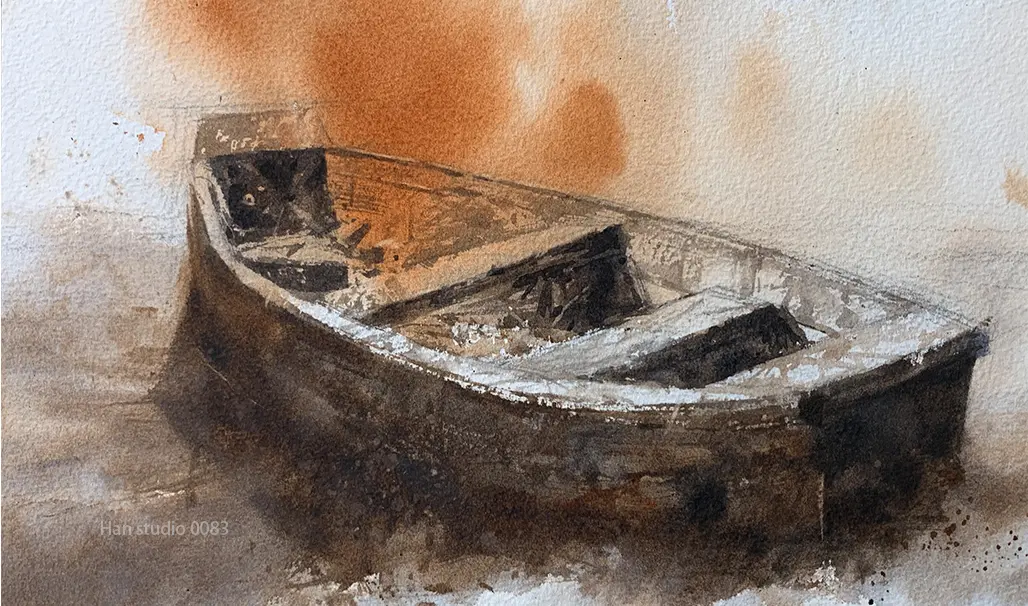
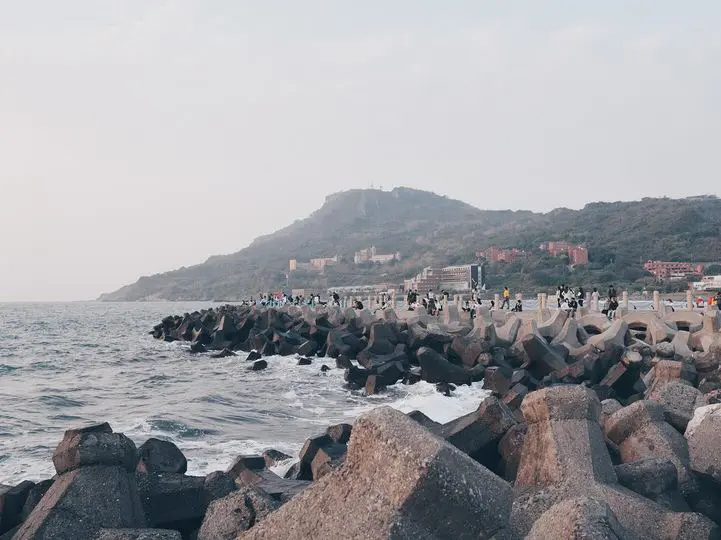
Use color blocks in series to show changesRendering elements in the screen helps us to refine the shape of the changesDistribute small, medium and large color blocks, paying attention to the variation in weight between them.Creates a large sunburst effect, the main color block is more colorful and vivid.The size of the color blocks in the foreground and mid-ground can be divided into front and back.The color blocks in the middle view of the mountains and forests are linked to create changes in length.The mountains in the distance use reality to create a sense of distance and proximity.
5. How do I color a landscape watercolor?
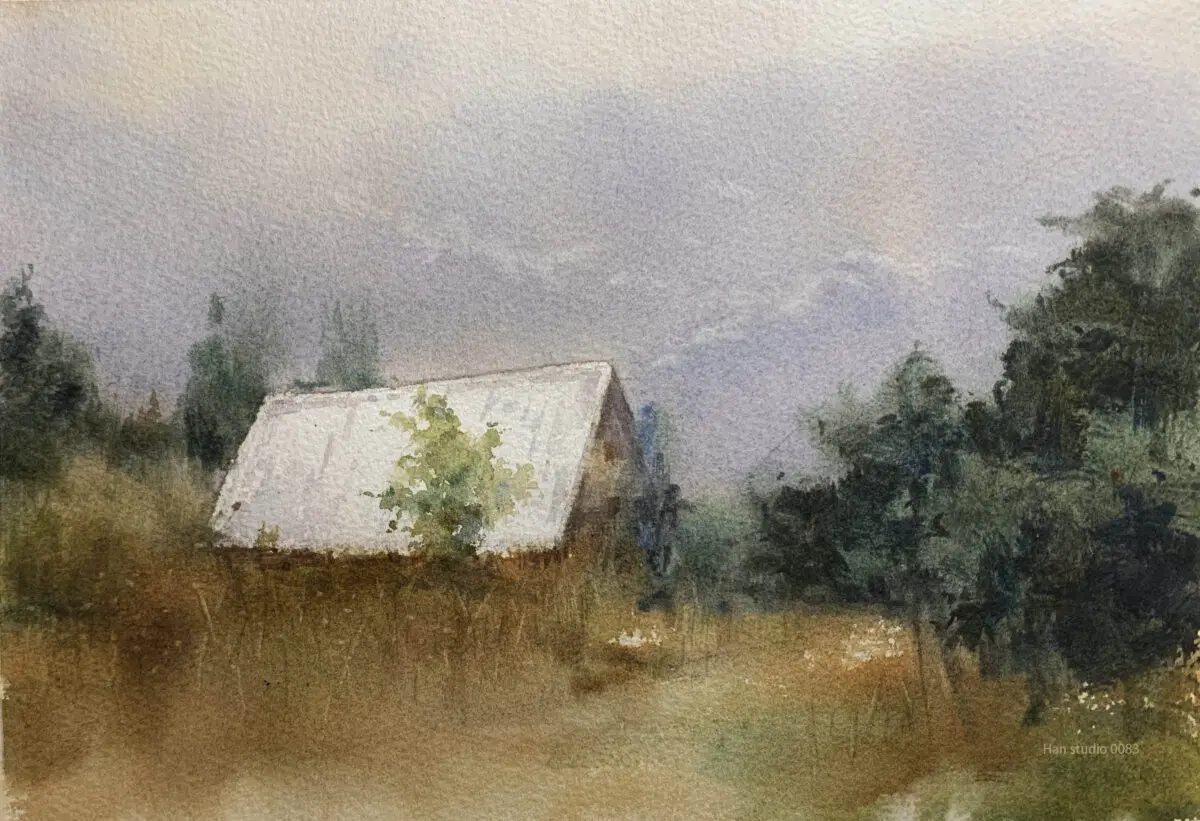
The following watercolor demonstration explains the process of coloring a landscape watercolor.
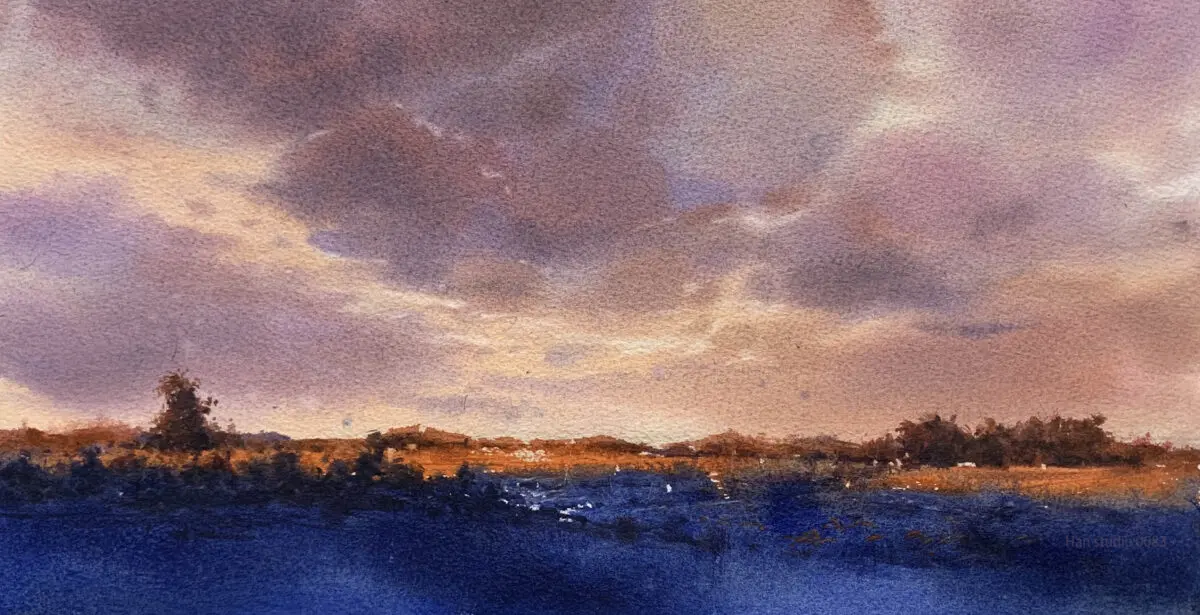
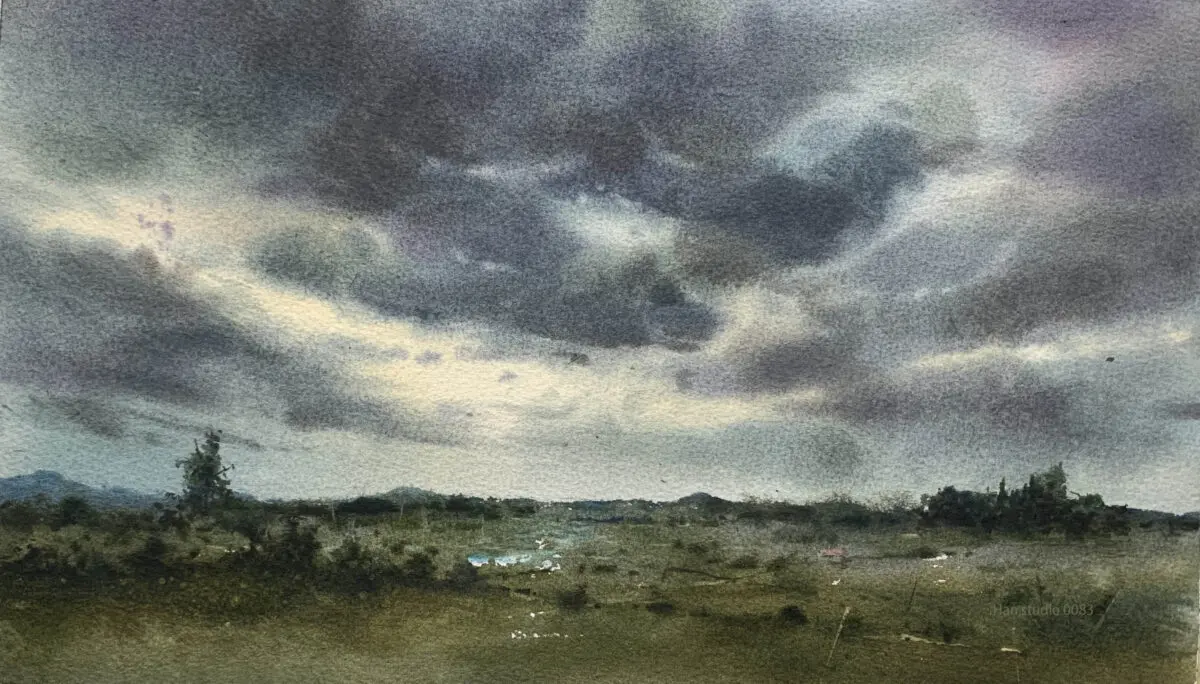
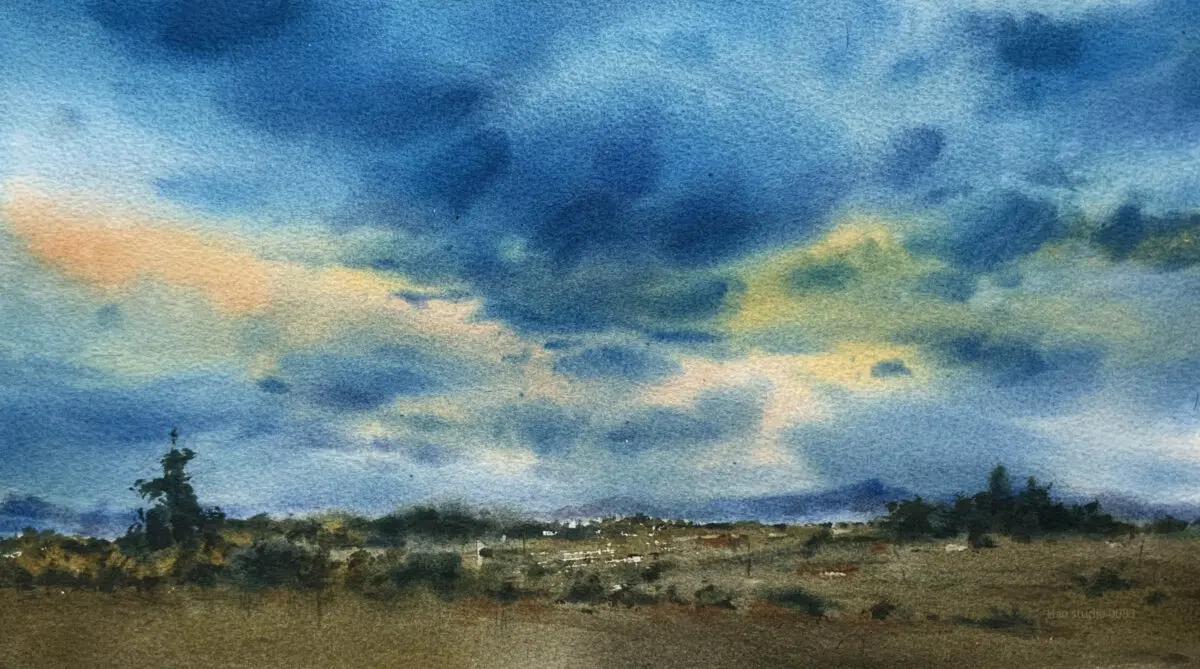
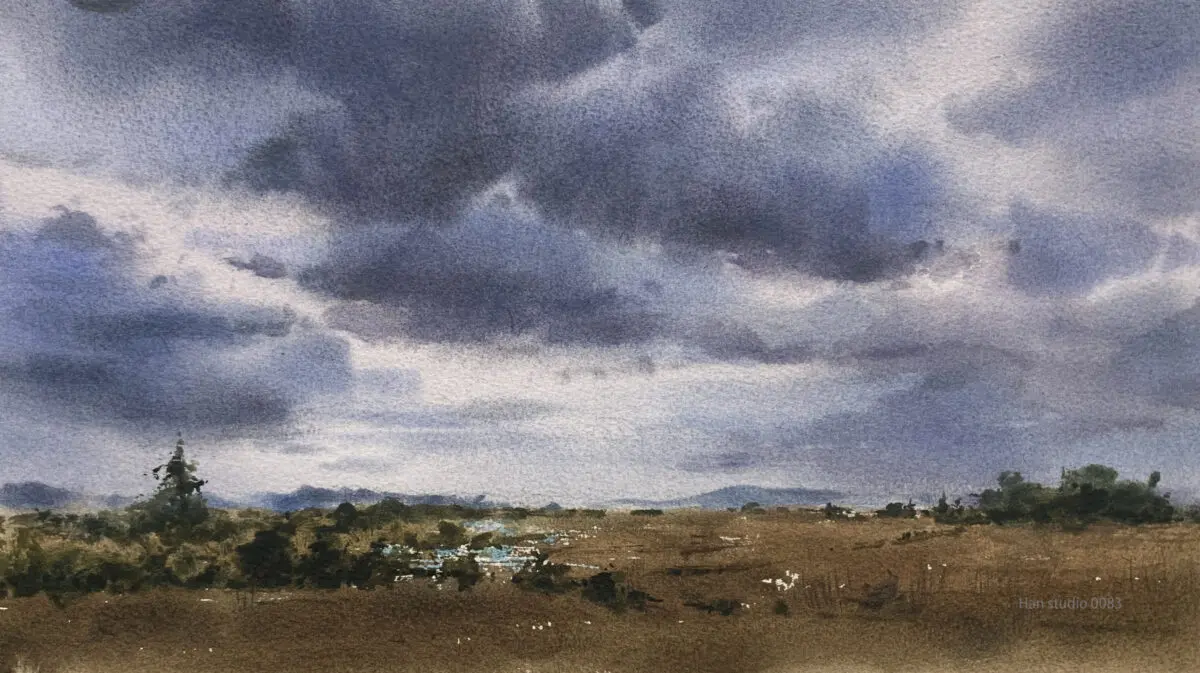
Sky and Cloud Painting Tips
Dry Moisturizer Pairing
It is recommended to put the watercolors on the paper in a wet state and let them blend naturally, e.g.: soft variations of cloud effects, or ground color vignettes.
Color mixing points: avoid mixing too many colors, it is recommended to start with a simple two to three kinds of pigments to practice.
Choose a dominant color for each block, such as a gray-green sky with a gray-blue-green tint.
Changes in Light and Dark
The volume of the clouds comes from the change of light and darkness, the sky gradually becomes lighter from top to bottom, and from deep to light to present a sense of space near and far.
When painting clouds, you can start with light colors to create a base, then use darker colors to create volume and thickness.
Color Temperature
Different weather conditions of the sky, through the cold and warm color tone changes, such as sunset using warm orange tones, cloudy or rainy days using cooler blue-gray tones.
Warmer colors are placed around the edges of the clouds where the light is brighter, and cooler colors are used in shaded areas to enhance the realism of the image.
Ground and Proximity Performance
Perspective
The closer the object is to the viewer, the more saturated and clear the colors become, while objects farther away have duller colors and less detail.
Lay out grasslands, bushes, buildings, etc. using this principle.
Layered front, center and back views
Darker or heavier colors can be used in the foreground to emphasize the overall sense of space.
The mid-ground is kept in medium tones and the back ground is gradually faded to produce a rich depth-of-field effect.
Lighting and Atmosphere
light source location
Clearly mark or observe the direction of the light source and use it as a basis for establishing shadow direction and color tones.
For example, if the light source of the setting sun is low, the picture is warm, and the shadows are bluish-purple in color.
Atmosphere and Feelings
Each image has its own current weather: sunny, bright landscapes use bright, saturated colors; cloudy skies have an overall cooler tone.
The use of colors and changes in cloud cover directly affects the feeling of the weather in the picture.
6. Frequently Asked Questions (FAQs) and Possible Troubleshooting Points for Beginners
Color mixing and water consumption control
Commonly encountered problems: the use of pigments too turbid (more than three) or too monotonous, it is recommended to do color mixing exercises before starting to paint landscape watercolor, to control the ratio of water to pigment.
Paper Moisture Control
Improper control of moisture and pigment concentration may result in the color not being able to blend smoothly, or spreading too much and losing control. It is recommended to practice wet-on-wet on the paper (the paper has already been brushed with a layer of pigment, and then stacked with another type of pigment while it is still wet).
7. How to deal with problems encountered in landscape watercolor painting
Problems may be encountered
solution (a math problem)
No sense of space
Try to arrange three layers of "distance view, center view and foreground view" and use the depth and lightness to introduce the sense of spatial layers.
The protagonist is located in the center of the screen, with left and right space symmetrical.
Shift the visual focus to the left and right a bit to give a sense of variety to the center distance of the view.
All the blocks are clearly drawn.
The main body should be clear, the other should be brought into the clear local fuzzy, do not need to draw a lot of details in each area
Sketch 2~3 different compositions with reference to real landscapes or photographs.
Single Color Exercise
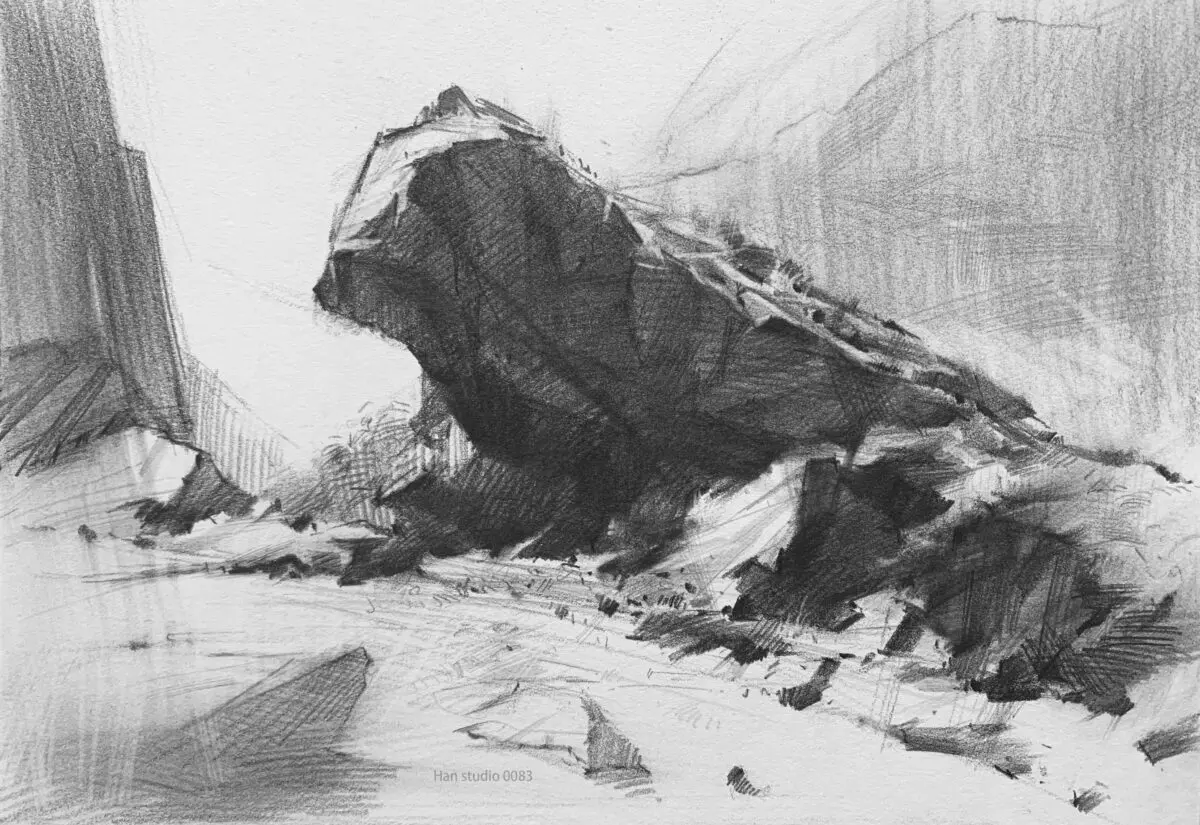
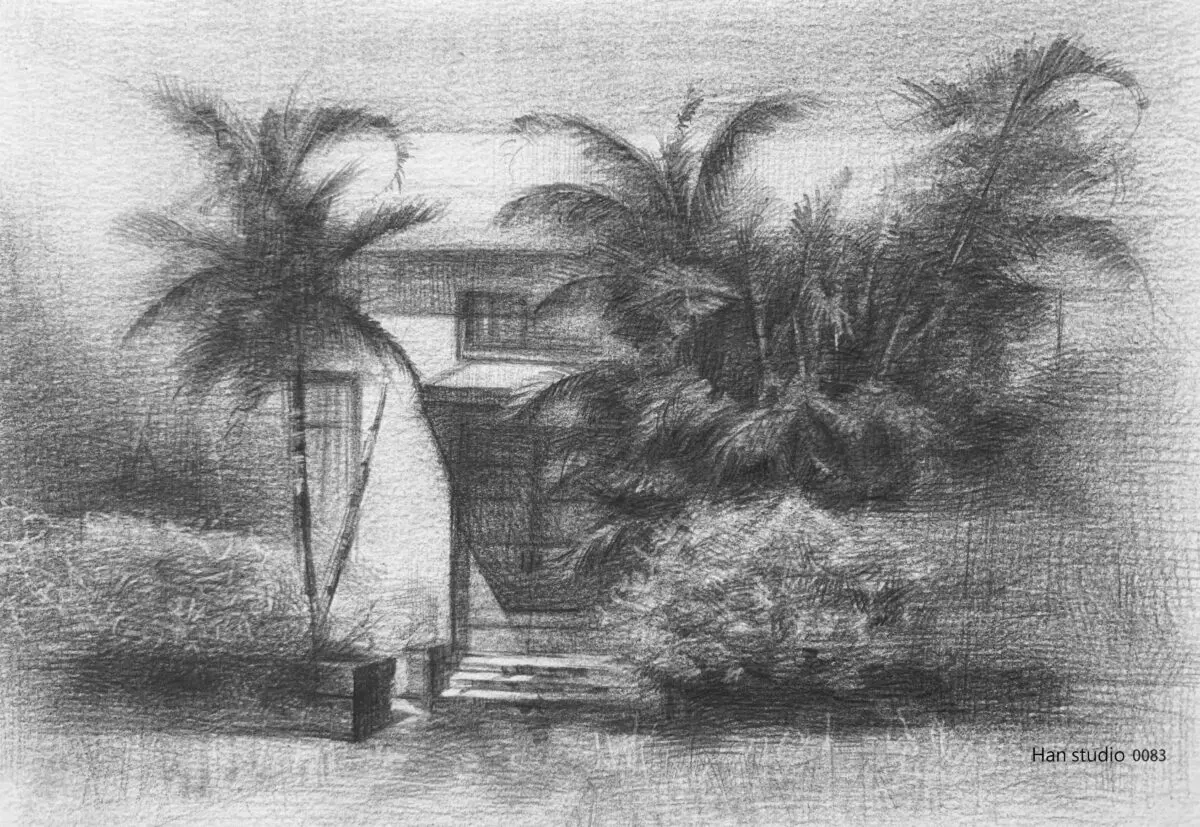
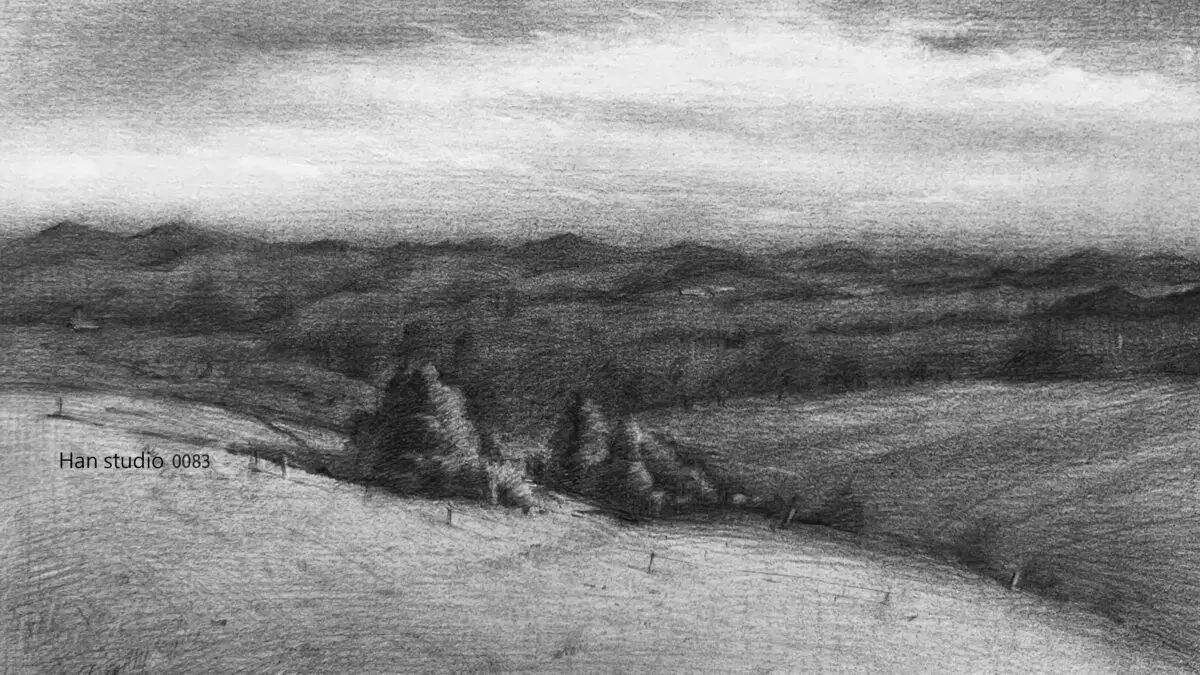
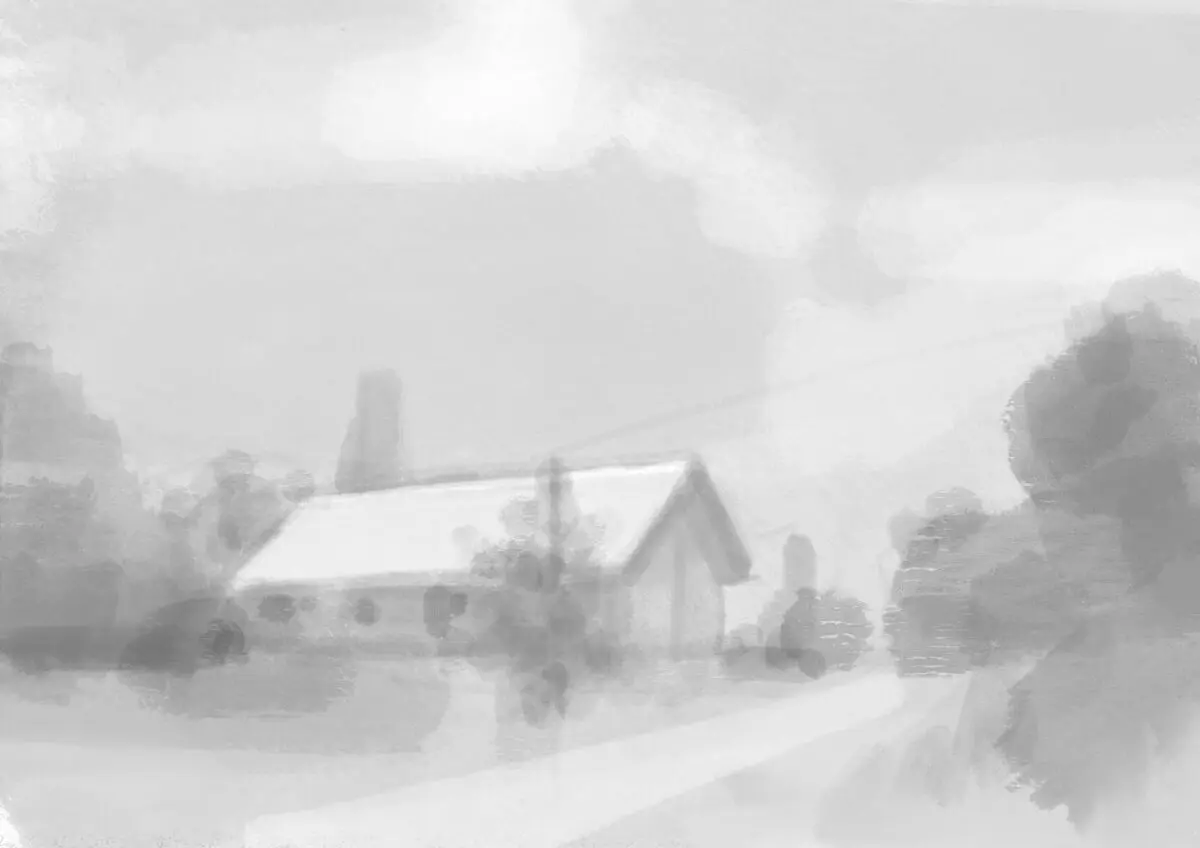
Draw a landscape photo with only one color shade and three shades of light (black, gray, and white) (subject/mid-ground/background).
Photo Composition Exercise
Take 3 landscape photos with your cell phone, and call out the ninety-four grid lines, and choose a composition with different proportions.
Suggested sketches to help us sort out the key points we want to show in the picture.
Above is the introduction of the introductory knowledge of painting landscape watercolor, do you also encounter coloring or other difficulties in painting landscapes? Please feel free to leave a comment or send me a private message.Instagram Exchanges.
If you want to learn to draw, but don't know how to start, or are interested in understanding what drawing is all about.